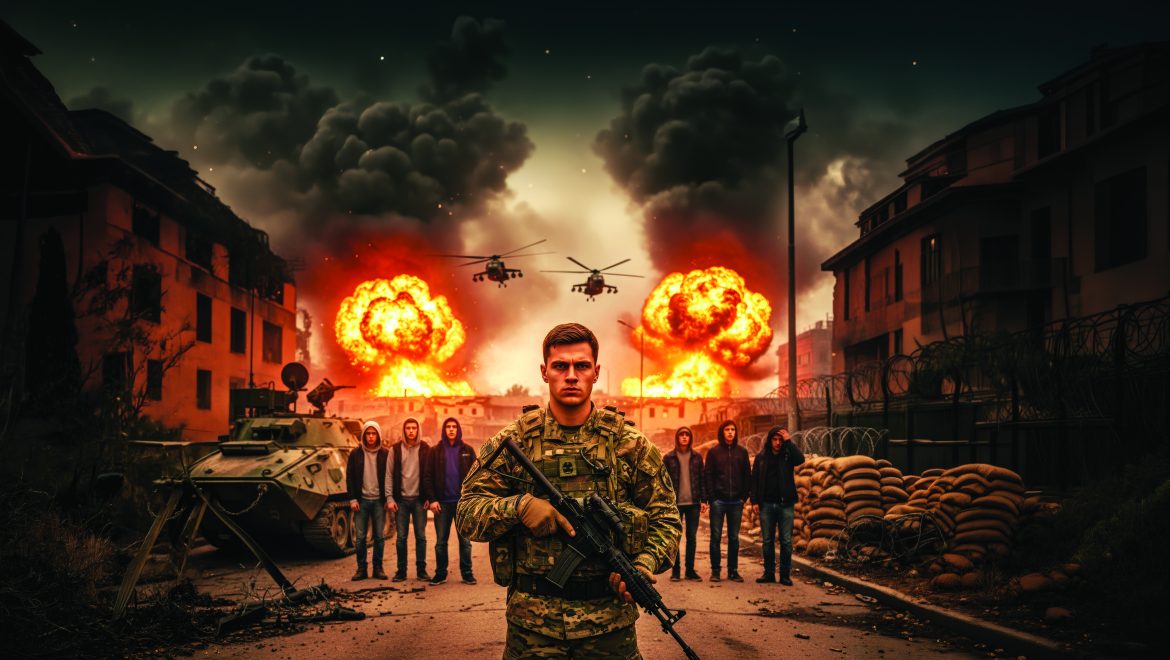


Since the early years of the third decade of the twenty-first century, the international system has undergone profound structural shifts that have restored concepts long assumed to belong to the past—chief among them, war. The Russian-Ukrainian war, as a large-scale conventional conflict unfolding in the heart of Europe, has decisively challenged post–Cold War assumptions about the end of interstate warfare on the continent. In doing so, it has brought questions of collective security, deterrence, sovereignty, and societal preparedness back to the forefront of public debate.
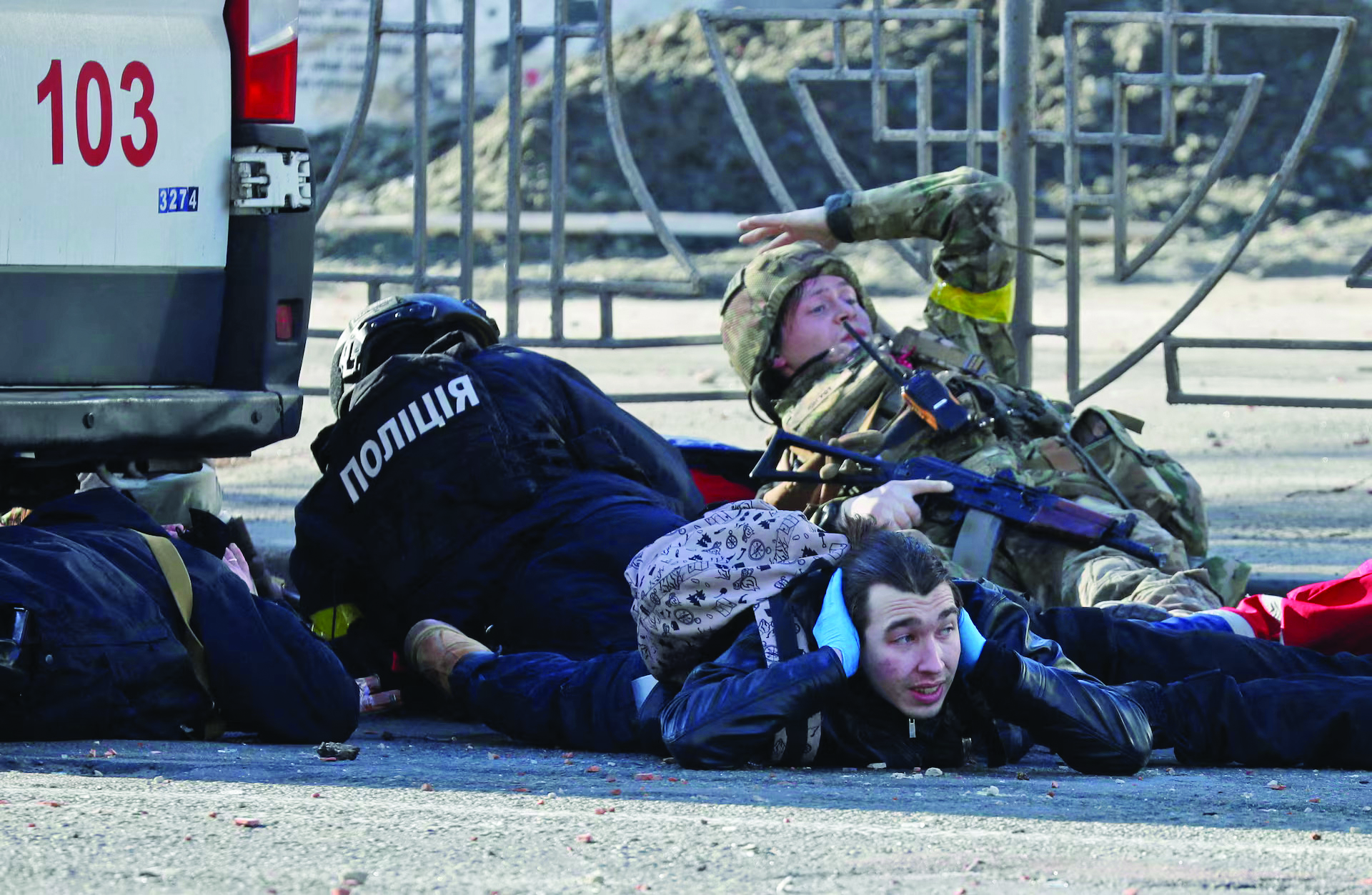
Within this renewed strategic context, war is no longer confined to the deliberations of political and military elites. It has become a subject of broad societal discussion across Western Europe, directly shaping how younger generations imagine their future, understand the role of the state, and define the meaning of collective obligation. Young Europeans who came of age amid narratives of peace, economic integration, and the steady retreat of compulsory military service now find themselves confronting scenarios they once believed belonged to history. This abrupt shift has reopened fundamental debates on defence, duty, and the limits of civic engagement. This study approaches war not merely as a military event, but as a social, cultural, and normative phenomenon. It examines how young people in Western Europe perceive war, the extent of their psychological and ethical readiness to engage with it, and how their relationship with the military institution is being reshaped by contemporary geopolitical transformations.
Adopting a sociological–analytical approach, the study explores evolving youth attitudes towards war and defence by examining conflict perceptions, willingness to engage, and the redefinition of the military’s role and legitimacy. To this end, it is structured around the following four interconnected sections:
1. War in European Youth Consciousness: From Historical Memory to Geopolitical Anxiety
Recent studies and surveys indicate that war occupies a discernible place in the consciousness of young people in Western Europe, albeit largely as a symbolic and cognitive reference rather than a lived experience. The overwhelming majority-particularly in countries such as France-have no direct exposure to war or its everyday consequences of destruction, displacement, and loss. Their relationship with war is therefore mediated, shaped primarily through education systems, media narratives, and popular culture.
This indirect exposure creates a clear psychological distance between war and daily life. War is commonly understood as an exceptional event, external to ordinary time and personal trajectories, intersecting with individual lives only as a distant risk or theoretical possibility rather than an immediate reality.
Within this framework, the First and Second World Wars continue to occupy a central position in the collective memory of European youth, reflecting the enduring influence of educational institutions in shaping national narratives. These conflicts are often presented in school curricula as foundational moments in the construction of modern national identity, closely associated with resistance, liberation, and collective sacrifice.
However, this prominence does not necessarily translate into a critical understanding of war’s complexity. Rather, it tends to reinforce a national narrative that frames war as a historical necessity, more than as a comprehensive human tragedy. The result is a form of “normalised exceptionality”, whereby war is accepted under specific conditions without sustained interrogation of its political and ethical logic.
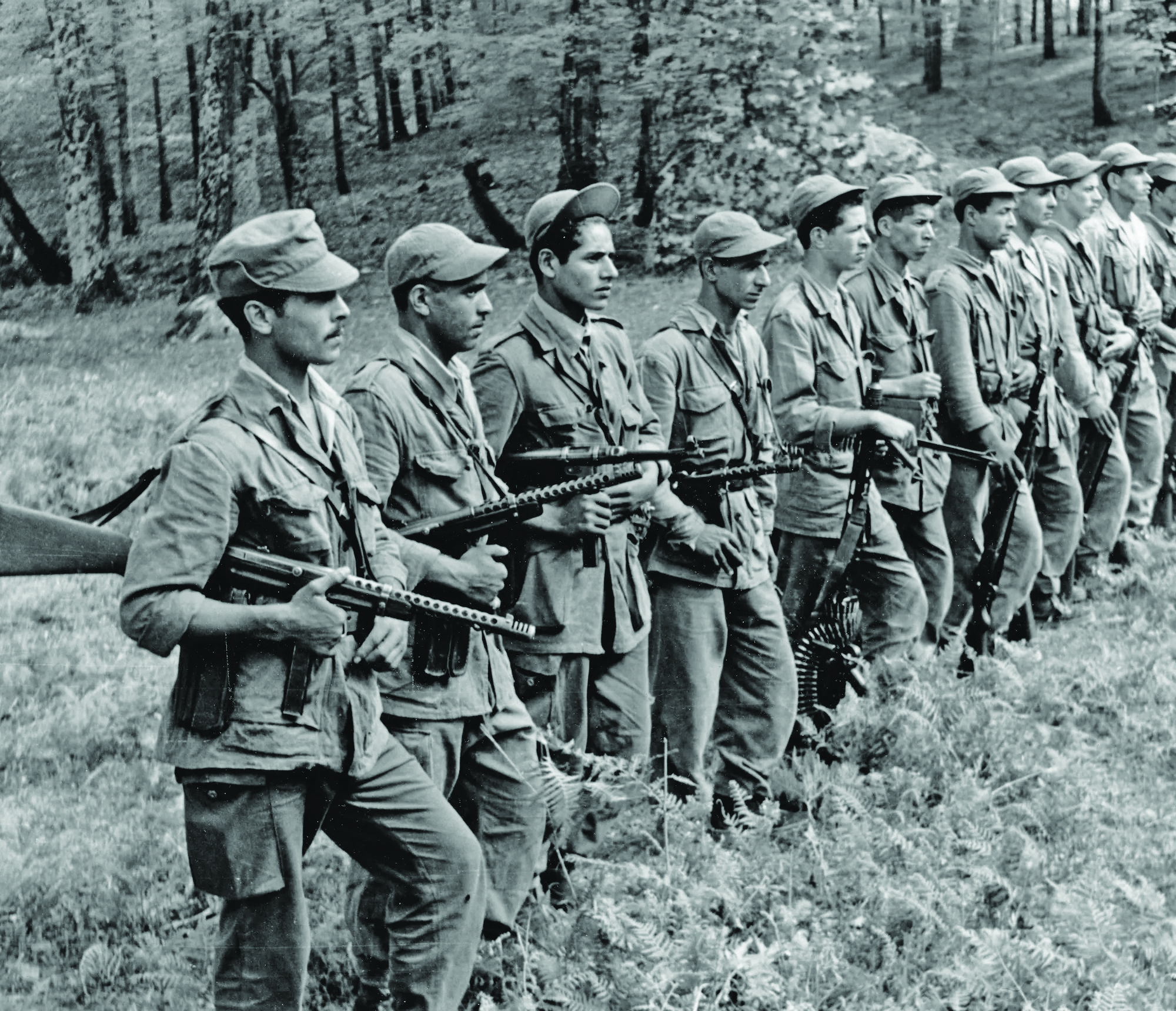
By contrast, research reveals a notable marginalisation of colonial wars-most prominently the Algerian War-in the consciousness of Western European youth. This selective silence reflects the persistent tensions surrounding colonial memory and the difficulty of integrating these experiences into a unifying national narrative. Over time, this omission contributes to a selective understanding of war that foregrounds legitimate defence while downplaying asymmetric violence, repression, and abuses associated with colonial contexts.
Consequently, a youth consciousness is reproduced that gravitates towards notions of the “just war” without the analytical tools required to grasp war as a deeply complex historical, political, and moral phenomenon.
The war in Ukraine has marked a qualitative milestone in the outlook of Western European youth, as the first large-scale conventional conflict on European soil in decades. Most young people report closely following developments and express concern about its implications for European security and economic stability.
Yet this anxiety does not automatically translate into political mobilisation or structured intellectual engagement. Knowledge of the war often remains fragmented and superficial, shaped by rapid media cycles and continuous information flows. The result is an unsettled awareness-heightened and concerned, but insufficiently organised within a coherent analytical or strategic framework.
2. Youth and the Military Institution: Redefining Role and Legitimacy
Post–Russia–Ukraine war studies reveal a qualitative shift in the relationship between young people and the military institution in Western Europe, marked by a redefinition of both role and legitimacy. This transformation moves beyond traditional conceptions that confined the armed forces to a narrowly defined combat function. Increasingly, the military is no longer perceived primarily as an instrument for managing interstate wars, but rather as a comprehensive security actor whose remit extends into societal protection, crisis management, and the mitigation of complex threats-ranging from terrorism and public health emergencies to cyber risks and natural disasters.
This functional expansion has contributed to the reconstruction of a renewed social legitimacy for the military among broad segments of youth, particularly in a context characterised by declining trust in political and civilian institutions and a growing sense of uncertainty about the future. Surveys consistently indicate that the armed forces rank among the most trusted institutions for young Europeans, often outperforming key civilian bodies. Symbolically, the military is increasingly viewed as a last-resort guarantor of security and stability during periods of crisis.
However, this high level of institutional trust does not automatically translate into widespread willingness to pursue long-term professional military careers. While young people broadly acknowledge the military’s role and legitimacy, many do not see it as a career path aligned with their personal aspirations, self-conceptions, or preferred lifestyles. A striking paradox thus emerges: strong institutional confidence coupled with pronounced professional caution. This reflects a conscious distinction made by youth between supporting the military’s public role and accepting the long-term personal costs of permanent enlistment.
Such caution is reinforced by structural and cultural factors, including shifting work-related value systems, the growing centrality of self-realisation, and resistance to the rigid discipline and hierarchical structures that continue to shape the military image in youth perceptions. Moreover, the nature of contemporary warfare-marked by heightened risks, ambiguous objectives, and blurred boundaries between military and civilian spheres-has reshaped the ethical and psychological limits of acceptance regarding combat engagement. Even when young people express a conditional willingness to defend their country in the event of a direct threat, this readiness tends to be time-bound and functionally limited, rather than an unconditional endorsement of war or the militarisation of social life.
At the same time, research highlights notable variations within the same generation in attitudes towards the military, influenced by factors such as gender, social background, education level, and ideological positioning. Young men generally display greater interest in military affairs than women, while those with right-leaning political orientations tend to show higher acceptance of militarised conceptions of security and defence. By contrast, young people with left-leaning views exhibit greater reservation-though this rarely translates into overt hostility towards the military institution, as was more common in earlier generations. This shift points to a decline in explicit anti-militarism among youth, replaced by a more pragmatic outlook that regards the military as a necessary, if imperfect, instrument in an increasingly threat-laden world.
Overall, the relationship between youth and the military can no longer be reduced to a binary of acceptance or rejection. Instead, it has evolved into a complex interaction grounded in recognition of role and trust in function, alongside continuous renegotiation of the boundaries of commitment, the conditions of legitimacy, and the meaning of sacrifice. At a deeper level, this reflects a broader transformation in civil–military relations in Europe, where legitimacy is derived not only from heroic memories of past wars, but increasingly from the capacity to protect society in the present and manage future risks within a democratic framework that seeks to reconcile security imperatives with a new generation’s sensitivities towards authority and organised violence.
3. Plurality in Western European Youth Representations of War
Studies further reveal a clear plurality in how Western European youth perceive war, undermining any reductive view of the younger generation as a homogeneous bloc in terms of attitudes or readiness. Rather than a simple division between supporters and opponents, the data point to a spectrum of nuanced positions shaped by the intersection of historical memory, value transformations, social experience, and political orientation.
A first identifiable group may be described as “anxious patriots”. These young people view war as a tangible threat to security and sovereignty and express a conditional willingness to defend the state if it faces direct danger. Their stance is not rooted in ideological enthusiasm or the glorification of war, but in a sober recognition of the fragility of international stability and a defensive logic that prioritises collective protection over individual considerations in exceptional circumstances.
In contrast, a second group can be characterised as “cautious humanitarians”. This cohort rejects war in principle, perceiving it primarily as a human tragedy rather than a legitimate political instrument. They tend to favour alternative forms of engagement-such as humanitarian action, civil support, or participation in relief efforts-arguing that the defence of values does not necessarily require recourse to armed violence. Nonetheless, their position is not one of outright hostility towards the military institution, but rather of ethical restraint regarding the use of force.
Alongside these groups, a third category emerges: the indifferent or disengaged. For these young people, war does not occupy a central place in their concerns or representations. Their attention is directed towards issues they perceive as more immediate in their daily lives, including employment, environmental protection, and social justice. War is viewed as distant from their lived experience, or as a matter primarily reserved for political and military elites rather than individual citizens.
These patterns do not represent fixed or closed positions, but rather fluid mental and value-based orientations that can shift according to context, the nature of perceived threats, and the conditions under which conflict unfolds. Taken together, they point to a deeper transformation in youth relationships with war, where attitudes are no longer shaped by grand, pre-packaged narratives, but by a careful balancing of ethical considerations, political realism, and the growing centrality of the individual within contemporary value systems.
4. Strategic Lessons Learned
A set of strategic and practical lessons can be distilled from this analysis, serving simultaneously as a cautionary mirror and a proactive opportunity. Together, these lessons contribute to strengthening stability, reinforcing national commitment, and building a healthy and sustainable relationship between youth and the state in an era of profound transformation.
• Awareness Without Mobilisation Is Not Enough: Importance of Investing in Meaning, Not Fear The European experience demonstrates that heightened awareness of threats does not automatically translate into effective collective readiness. Security, therefore, cannot be built solely through risk management, but through the construction of meaning: why defend, what is being defended, and within what limits? Anchoring a positive national narrative around security and defence-one that is linked to sovereignty, development, and human dignity-helps shield youth from unproductive anxiety and channels concern into informed and responsible commitment.
• Contemporary Military Legitimacy Is Grounded in a Comprehensive Role: The growing acceptance of the military within the European youth imagination is closely tied to the expansion of its functions beyond combat, encompassing crisis management, societal protection, disaster response, and humanitarian support. The key lesson lies in deepening this trajectory by presenting the armed forces as a comprehensive national actor-defensive, security-oriented, and humanitarian-thereby strengthening societal trust without sliding into the militarisation of public life.
• Education and Memory: Resilience Through Inclusion, Not Selectivity, The European case illustrates how selective historical memory produces a fragile and easily destabilised consciousness. The lesson here is the importance of investing in comprehensive historical and ethical education-one that balances achievement with cost and fosters critical thinking without undermining national belonging. Such an approach contributes to shaping a confident citizenry that is neither hesitant nor disengaged from the public sphere.
• Digital Culture: A Source of Confusion or Mobilisation, Depending on Governance, Rapid digital media environments can generate distorted or oversimplified perceptions of armed forces and their actual roles, thereby weakening public understanding of the complexity of military work. The lesson is the necessity of producing engaging, balanced knowledge-based content that highlights service, protection, and rescue roles, while showcasing credible role models who embody the professional and human values of the military institution. In this way, technology can be transformed from a source of confusion and emotional reactivity into a tool for awareness, construction of meaning, and responsible mobilisation.
• Intra-Generational Diversity Is a Reality-and Smart Policy Must Address It, The diversity of youth profiles-defensive realists, cautious humanitarians, and the disengaged-confirms that a one-size-fits-all discourse is no longer effective. Meaningful responses require differentiated policies capable of engaging this plurality and designing multiple pathways of belonging within an overarching national framework that accommodates social and cultural diversity.
• Youth Commitment as a Measure of State Strength in Times of Uncertainty, In an era of uncertainty, state strength can no longer be measured solely by hard readiness, but by the capacity to cultivate informed, ethical, and multi-dimensional youth commitment. By anticipating the transformations revealed in the European case, states aspiring to leadership can consolidate a balanced model that brings together security, citizenship, and the human dimension.
• Defence as Meaning, Not Threat: Towards a New Model of Youth Engagement This study shows that awareness of threats does not evolve into effective collective readiness unless it is paired with the construction of a clear and convincing meaning of security and defence-one that answers questions of purpose, limits, and legitimacy. Military legitimacy in times of uncertainty is derived primarily from the institution’s comprehensive role in protecting society and managing crises, rather than from hard power alone. Within this framework, education, collective memory, and digital culture emerge as decisive arenas in shaping youth relations with armies and war. Selective or emotionally driven management of these domains produces fragile awareness, whereas deliberate and balanced engagement enables the development of rational, stable, and resilient youth commitment.
• Comprehensive Defence: Integrating Army and Society in an Age of Complex Threats
Defence has increasingly become a central state-led response supported by society, but it is also evolving into a distributed societal practice based on individual preparedness, local responsibility, and resilience in situations where traditional support and supply structures may falter. Within this model, self-reliance is not viewed as a substitute for the state or a challenge to its authority, but as a complement to its sovereign function-easing pressure on central institutions and strengthening societal immunity during prolonged crises. Defence thus becomes a conscious daily commitment, rooted in mutual trust between state and citizens, offering a contemporary answer to the question of collective resilience amid intertwined and multifaceted threats.
Conclusion
In sum, this study demonstrates that the observed transformations in the relationship between Western European youth, war, and the military institution reflect a structural shift in how legitimacy and collective commitment are produced within contemporary societies. Defence is no longer built, as in traditional mobilisation models, on heroic memory or unconditional compliance. Instead, it increasingly rests on a complex equation grounded in meaning, functional performance, ethical legitimacy, and the integration of roles between state and society.
From this perspective, the European case reveals a clear transition from a mobilisational defence model to an interactive one, in which war is redefined as a possibility that is managed socially as much as militarily, and commitment is reconceptualised as a conscious, multi-form practice rather than a compulsory or one-dimensional obligation. Understanding this shift is not merely of analytical value; it offers a broader reference framework for grasping the conditions of participatory collective resilience between the state, its military institutions, and society-particularly youth-at a time when military, cyber, economic, and symbolic threats increasingly intersect. In such an environment, building meaning and consolidating legitimacy become indispensable foundations for any sustainable defence policy in the twenty-first century.●
By: Prof. Wael Saleh, (Consultant at TRENDS Research & Advisory)