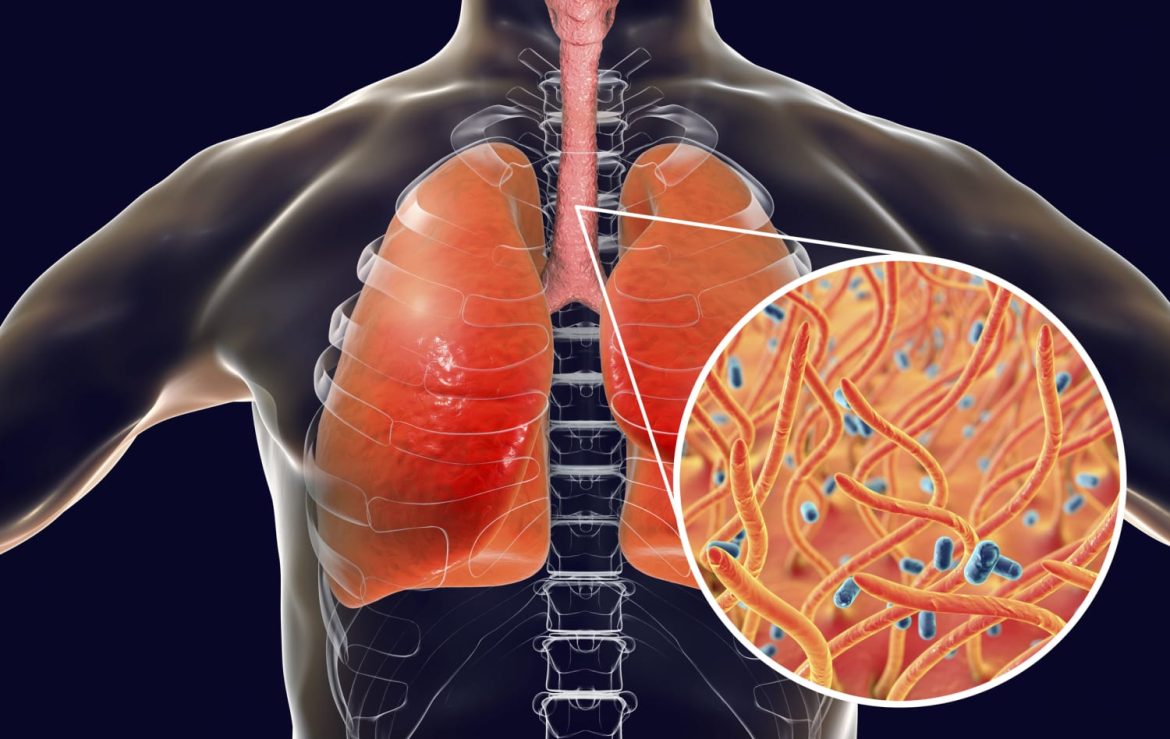
Whooping cough, medically known as pertussis, is often perceived as a disease of the past. However, current public health data confirm that it continues to emerge across the world, including in countries with advanced healthcare systems. The disease remains a significant public health concern, particularly for infants, due to the potentially severe complications that can arise if it is not detected early or if preventive measures are neglected.
Understanding Whooping Cough
Whooping cough is a highly contagious bacterial infection of the respiratory tract caused by Bordetella pertussis. It spreads easily through respiratory droplets released during coughing, sneezing, or even talking, and can also be transmitted through direct contact with respiratory secretions. The disease poses a particular risk in households, schools, and enclosed spaces, especially when an infected person shows only mild or non-specific symptoms during the early stages, unknowingly facilitating its spread.
The disease derives its name from the characteristic coughing fits it causes. In many cases, patients experience repeated, severe bouts of coughing, sometimes followed by a sharp, high-pitched intake of breath resembling a “whoop”. However, this distinctive sound does not appear in all cases, particularly among adolescents and adults, making the disease more difficult to recognise and increasing the risk of unnoticed transmission.
Most Vulnerable Groups
Whooping cough can affect individuals of all ages, but its impact is most severe among infants and young children, especially during the first months of life when their immune systems are still developing or before they have completed the recommended vaccination schedule. Other high-risk groups include pregnant women, individuals with weakened immune systems, those with chronic respiratory conditions, and people who are in close, prolonged contact with infected individuals within families or the wider community.
Symptoms
The illness typically begins with mild symptoms that resemble a common cold, such as a runny nose, sore throat, low-grade fever, and a mild cough. At this early stage, the disease is highly contagious, yet often goes unrecognised, increasing the likelihood of transmission.
After one to two weeks, symptoms usually worsen. The cough becomes more severe and frequent, often occurring in prolonged, uncontrollable fits that can be physically exhausting. These episodes may be accompanied by vomiting, facial redness or bluish discolouration, breathing difficulties, and, in some cases, the characteristic “whoop” following a coughing fit.
In infants, symptoms may be less obvious. Coughing may be minimal or absent, while the primary danger lies in episodes of slowed or stopped breathing—a medical emergency that requires immediate intervention to prevent serious complications.
Potential Complications
Complications of whooping cough vary depending on age and overall health. In adolescents and adults, complications are often related to the intensity and persistence of coughing, such as chest pain, cracked ribs, abdominal hernias, or minor bleeding in the eyes caused by repeated strain.
In infants—particularly those under six months of age—the risks are far more serious. Complications may include pneumonia, dehydration, feeding difficulties, and episodes of apnoea. In severe cases, the infection can lead to brain damage or even death, underscoring the critical importance of prevention and early diagnosis.
Diagnosis and Treatment
Diagnosis of whooping cough is based on clinical assessment, supported by laboratory tests such as nasal or throat swabs to identify the causative bacteria. Additional investigations, including blood tests or chest X-rays, may be required if complications such as pneumonia are suspected.
Antibiotic treatment is effective, particularly when initiated in the early stages of the disease, as it helps reduce symptom severity and limits transmission to others. Supportive care is also essential and includes adequate rest, good nutrition, sufficient fluid intake, and close monitoring. Severe cases, especially among infants and other high-risk groups, may require hospitalisation.
Prevention: A Shared Responsibility
Preventing whooping cough is a collective responsibility that begins with adherence to national immunisation programmes. The pertussis vaccine is administered as part of the combined diphtheria, tetanus, and pertussis (DTP) vaccine through multiple doses during childhood.
Over time, immunity from vaccination may wane, making booster doses later in life necessary to maintain adequate protection. Vaccination during the third trimester of pregnancy is strongly recommended, as it protects the mother and enables the transfer of protective antibodies to the unborn child, significantly reducing the risk of infection during the infant’s first months of life.
In addition to vaccination, general preventive measures play a vital role in limiting the spread of whooping cough. These include regular handwashing, covering the mouth and nose when coughing or sneezing, isolating infected individuals, and avoiding close contact with people showing severe respiratory symptoms, particularly in crowded or enclosed environments.
By: Dr Badreyya Al-Harmi, Public Health Consultant