


Throughout history, military medical support has played a decisive role in determining the outcomes of battles and wars. From the establishment of the Valetudinarium—the first organised field hospital of the Roman Empire in the 2nd century AD—to the revolutionary advances made during the American Civil War, which introduced the first integrated military medical system, and later the breakthroughs achieved in the two World Wars, the progress in battlefield medicine has been remarkable. These milestones drastically reduced mortality rates among the wounded, thanks to rapid evacuation procedures and the development of advanced surgical care.
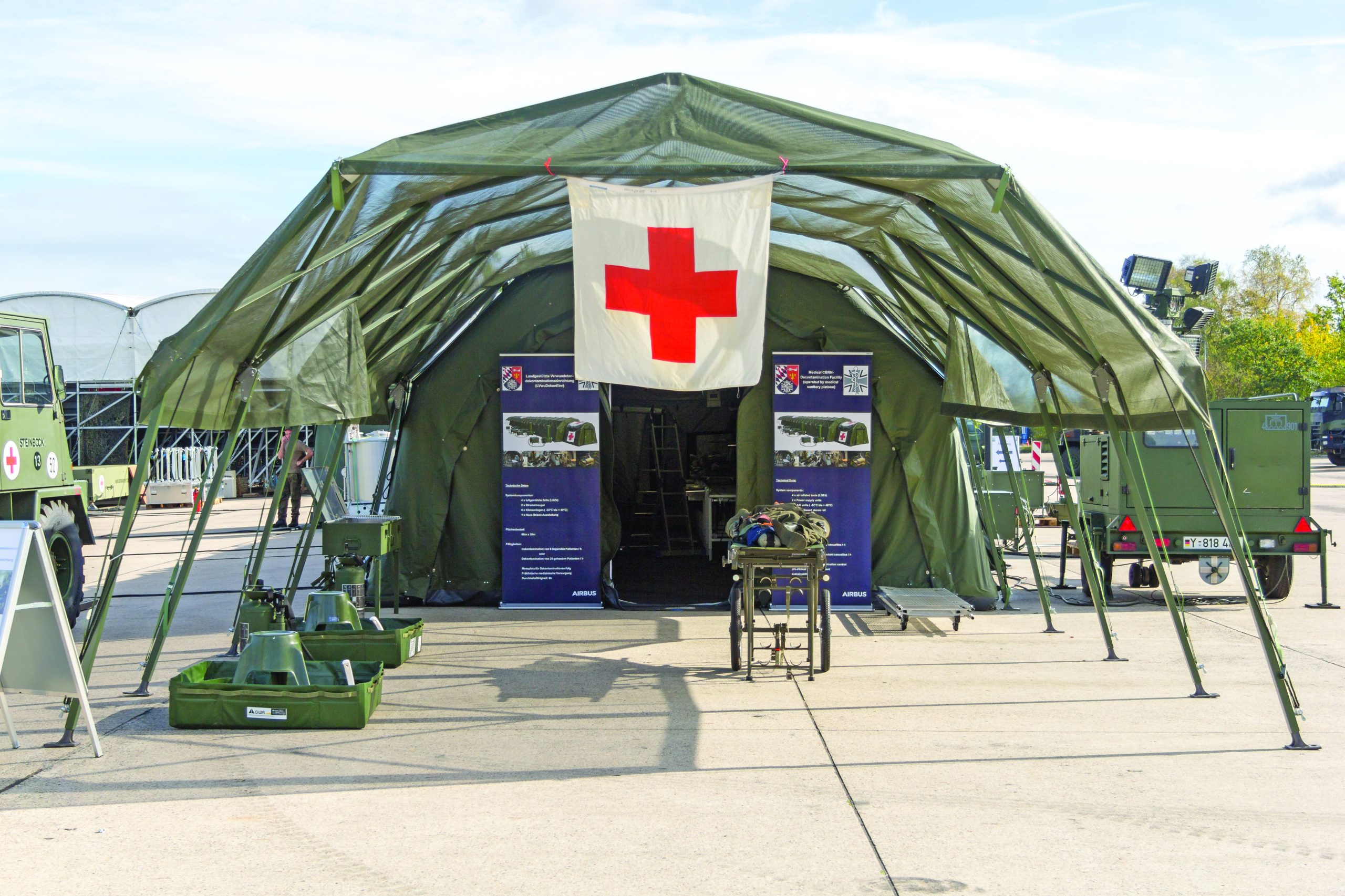
In modern warfare, medical services have evolved far beyond their traditional logistical role. Today, they represent a strategic element of national defence—dedicated not only to sustaining operations but also to preserving human capital and ensuring that the largest possible number of soldiers can return to the battlefield swiftly and safely. Looking ahead, whether in conventional or unconventional conflicts, military medical services will continue to be a cornerstone of resilience and a measure of a nation’s humanity and progress.
Within this broader context, the question of who should lead military medical units has become increasingly significant. Identifying the ideal leadership model—one that achieves operational objectives at minimal cost without compromising scientific and professional standards—is not merely an administrative matter. Rather, it reflects the pursuit of optimal human resource utilisation and the strategic investment in sustained combat readiness and efficiency.
Deployment of Field Medical Units
Field medical units form an essential part of the combat support system. Typically positioned near the front lines, these units provide urgent medical care and conduct evacuation operations. In many respects, their operational characteristics mirror those of combat formations such as infantry or artillery units—especially in terms of site selection.
Just as infantry and artillery units prioritise locations that ensure protection, logistical accessibility, and rapid deployment, medical units must also consider these factors while addressing additional requirements specific to their humanitarian and support missions.
Main field medical units, such as medical companies, are usually deployed within the logistical zones of combat formations. The selected location must be as close as possible to main transportation routes to facilitate ambulance movement and evacuation toward rear hospitals, while remaining sufficiently distant from direct enemy fire to ensure the safety of both personnel and patients.
Similar to other field formations, these units must secure their sites against enemy threats, maintain easy access to medical and logistical supplies, and possess the flexibility to relocate quickly as tactical situations evolve. Consequently, field medical units represent a unique hybrid—combining the operational discipline of military structures with the precision and compassion of medical service—to ensure continuous medical support under all operational conditions.
It is evident from these deployment requirements that commanding such units does not necessarily demand a medical degree. On the contrary, the effective management of these logistical and tactical elements can often be handled by trained administrative officers from non-medical backgrounds. This perspective opens the door for broader leadership models that balance medical expertise with operational command proficiency.
The Physician Leader vs. the Administrative Commander
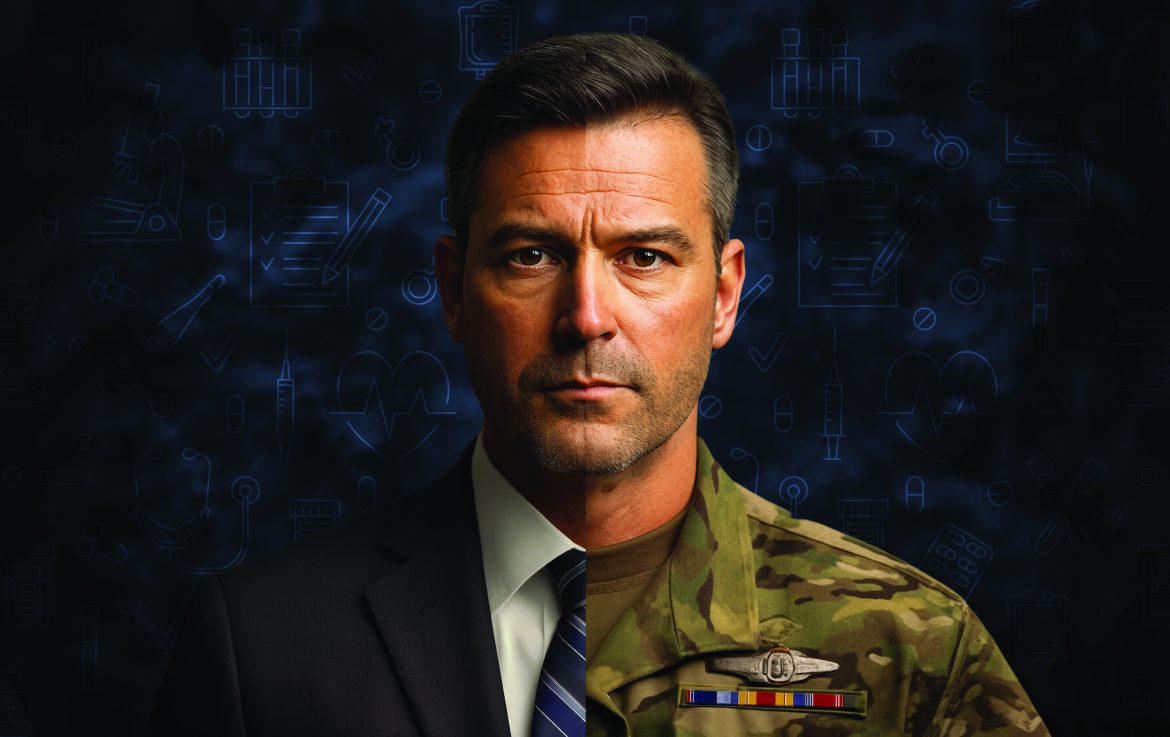
In front-line military medical units, where swift, life-saving decisions are critical, the presence of a physician commander can provide a significant advantage. Their deep understanding of clinical risks and ability to prioritise treatment under pressure ensure timely and effective medical responses. Moreover, physicians often enjoy strong credibility among their teams, stemming from shared professional and educational backgrounds.
However, when faced with limited manpower, time constraints, and increasing operational demands, the question arises: which leadership model serves military medical units best—the physician leader or the administrative commander?
The Physician Leader Model
The physician leader model, while advantageous in many respects, faces several practical challenges. Medical officers are costly to train and retain, requiring years of education and specialisation. When assigned to command duties, they often divert part of their focus away from clinical practice, potentially reducing their medical proficiency. Moreover, administrative and logistical tasks—though essential—are generally less complex than clinical decision-making, yet they consume valuable time that could otherwise be spent on patient care or training.
For this reason, it is essential that physician commanders be supported by capable administrative officers or assistants to handle logistical operations, freeing the physician to focus on medical oversight and strategic health management.
The Administrative Commander Model
The administrative commander model offers a more resource-efficient alternative, provided that it does not compromise the medical quality, trust, and decision-making integrity that physicians bring to the role. The administrative leader focuses on operational efficiency, resource management, and logistical coordination—critical elements in sustaining medical readiness and maintaining continuous operations.
An administrative commander can effectively manage all unit resources, coordinate between medical and logistical teams, and oversee field medical supply chains, including pharmaceuticals, consumables, and waste management. Their availability for supervision and planning allows them to ensure smooth deployment and redeployment of medical units within the framework of military doctrine and operational readiness.
From a financial standpoint, administrative personnel are significantly less costly than medical professionals, and their training requirements are shorter and more affordable. This makes them an attractive option from a human resource and budgetary perspective. Nonetheless, since administrative commanders lack clinical expertise, it is crucial to ensure that sufficient medical officers are available to provide professional support during emergencies, mass-casualty events, or complex medical operations.
Ultimately, the administrative commander must be empowered to lead medical teams with respect, competence, and an understanding of the unique challenges of healthcare delivery in both peace and combat.
Hybrid Approaches to Leadership
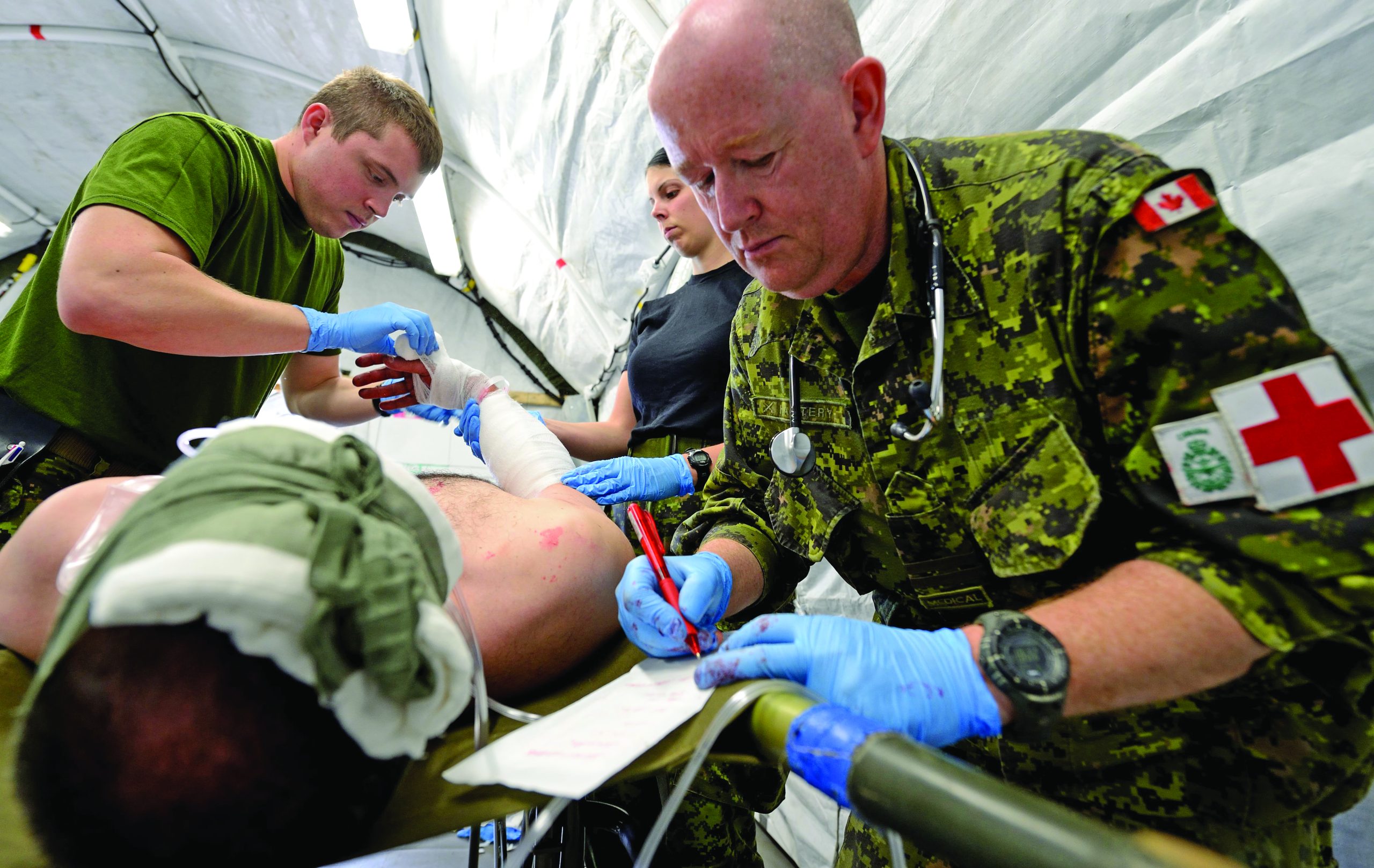
Several nations have adopted hybrid leadership models that assign physician commanders to front-line units operating in volatile, high-risk environments—where clinical judgement and rapid decision-making are paramount. The U.S. and Israeli militaries exemplify this approach, where physician leaders command forward medical teams during combat.
Conversely, administrative commanders are often better suited for stable environments such as military hospitals, command centres, and logistics hubs. In these settings, collaboration between the administrative commander and a senior medical advisor or chief physician allows for a balanced integration of clinical insight and organisational management.
Preparing Administrative Commanders for Medical Leadership
For the administrative leadership model to succeed, proper training and multidisciplinary preparation are essential. In addition to general military qualifications—including logistics, protection, and field deployment—administrative leaders should receive training in:
1. Basic medical terminology and clinical fundamentals to communicate effectively with medical personnel.
2. Military medical ethics and triage principles to understand treatment prioritisation under combat conditions.
3. Medical logistics and supply chain management, including field-level pharmaceutical distribution and medical waste disposal.
4. Crisis leadership and administrative problem-solving to remove barriers that hinder medical performance.
5. Understanding medical culture and hierarchy within clinical teams.
6. Emergency planning and business continuity, especially during pandemics or chemical/biological attacks.
7. Professional development awareness of medical career progression and specialisation requirements.
Recommendations
1. Adopt a flexible leadership model: Leadership assignments should be based on the functional needs of each unit rather than rigid professional categories. Positions that demand medical expertise should remain under physician leadership, while administrative posts can be assigned to qualified non-medical officers.
2. Develop tailored training programs: Establish specialised courses to prepare administrative officers for command of medical units, ensuring informed decision-making that supports medical teams effectively.
3. Promote physician–administrator collaboration: Cultivate an institutional culture that values teamwork, mutual respect, and shared decision-making between medical and administrative personnel.
4. Advance Medical Command and Control (Medical C2) systems: Invest in integrated digital platforms that link evacuation, logistics, and communication across all command levels, enhancing efficiency and reducing errors caused by communication gaps.
Conclusion
The challenge of leading military medical units does not lie in choosing definitively between the physician leader and the administrative commander, but in achieving an optimal balance between medical competence and organisational effectiveness. Field medical units occupy a critical nexus between saving lives and sustaining combat readiness. Their leadership, therefore, must blend science with discipline, compassion with precision, and strategy with humanity.
By: Major General (Ret.) Khaled Ali Al-Sumaiti