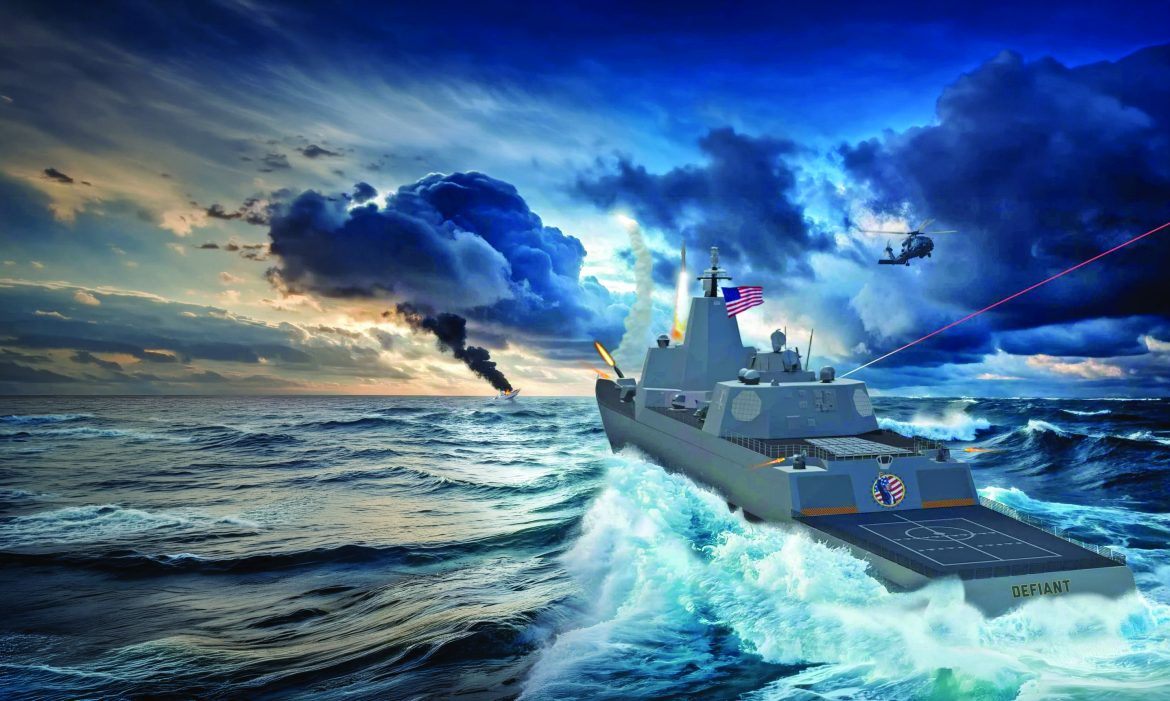







In December 2025, U.S. President Donald Trump announced plans to build massive new warships known as the “Trump-class”, describing them as the cornerstone of a new “Golden Fleet” for the United States Navy. The initiative aims to reinforce American maritime dominance amid intensifying competition with major powers-most notably the People’s Liberation Army Navy of China. The announcement has prompted significant debate regarding the nature and scope of the Golden Fleet concept, the prospects and challenges facing current U.S. efforts to restore naval superiority, and the potential implications of this strategy for the future balance of maritime power.
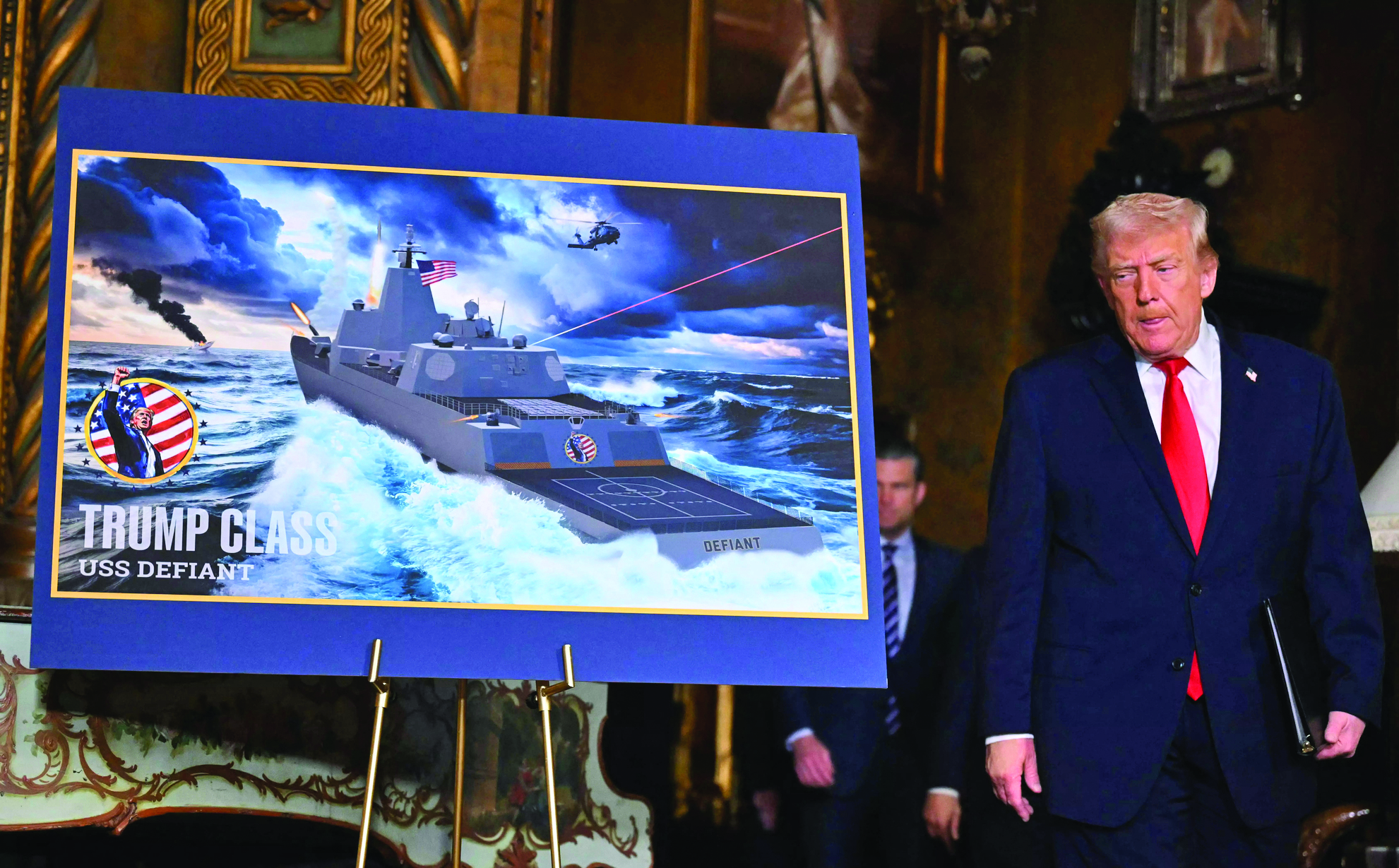
The Golden Fleet proposal extends beyond a conventional naval procurement programme. Instead, it represents a broader reassessment of how the United States intends to maintain maritime dominance amid shifting geopolitical dynamics and the rapid growth of Chinese naval power.
The concept envisions a fleet composed of fewer but significantly larger and more heavily armed surface combatants, complemented by a greater number of unmanned vessels designed to enhance survivability, operational reach, and persistent presence at sea.
This approach reflects a response to China’s expanding naval capabilities and its increasingly sophisticated anti-access/area denial (A2/AD) strategies. It also recognises that modern maritime warfare is increasingly shaped by speed, range, stealth, and autonomy rather than simply by the total number of ships. Consequently, the Golden Fleet model seeks to combine a limited number of high-capability platforms with large numbers of autonomous systems, creating a force structure capable of delivering both deterrence and operational flexibility. The underlying assumption is that naval warfare based on vast numbers of similar vessels is no longer the most effective model for future conflicts.
The Trump-Class Warship
President Trump stated that the United States would construct a new class of modern warships bearing his name. According to his remarks, these vessels would be dramatically larger and more capable than previous surface combatants, equipped with advanced weapon systems including hypersonic missiles, high-energy lasers, and conventional naval artillery.
The proposed ships are expected to be built entirely from steel rather than aluminium and would require approximately two and a half years to construct. Their displacement is projected to exceed 35,000 tonnes, with a length of more than 840 feet. The Trump-class vessels are intended to replace the long-serving Arleigh Burke-class destroyer, which still has several decades of operational life remaining. The first ship of the new class is expected to be named USS Defiant, and it may be equipped to carry a sea-launched nuclear-armed cruise missile.
The United States Department of the Navy has described USS Defiant as potentially the largest and most lethal multi-mission warship ever constructed for the fleet.
Under current plans, the vessel would be equipped with 128 MK-41 vertical launch system cells, alongside 12 long-range hypersonic missiles of the Conventional Prompt Strike type. Additional armaments would include an electromagnetic railgun, conventional five-inch naval guns, and advanced sensor systems such as the AN/SPY-6 radar. The ship would also be capable of carrying nuclear-armed missiles and hypersonic weapons, effectively functioning as an enlarged and heavily armed guided-missile destroyer.
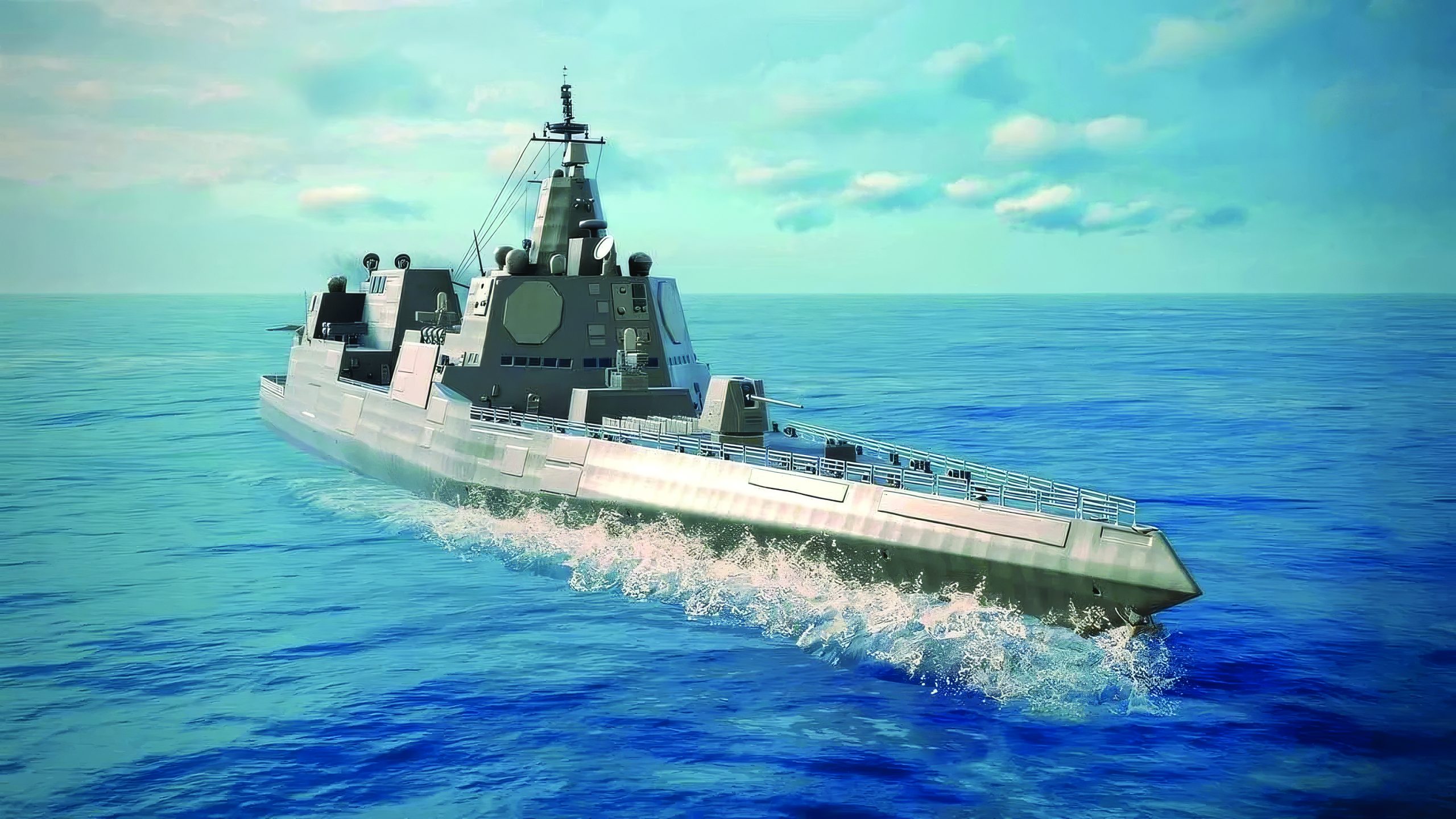
Cost, Scale, and Development Challenges
According to estimates by the Congressional Budget Office, the Golden Fleet programme could involve the construction of approximately 20 warships, with the first vessel potentially costing between $15 billion and $22 billion. Subsequent ships could exceed $9 billion per unit.
These figures may rise further due to inflation in the shipbuilding sector and persistent labour shortages. U.S. shipyards are already competing for thousands of skilled workers required to support large-scale naval construction.
Some reports suggest that the planned Golden Fleet ships could approach the scale of the historic Iowa-class battleship, the last battleships built by the United States near the end of World War II. Those ships displaced roughly 57,000 tonnes, while the proposed USS Defiant would displace about 35,000 tonnes, though with significantly smaller crews-estimated at 650 to 850 sailors.
The idea of a “Golden Fleet” may also echo the symbolic naval demonstration known as the Great White Fleet, ordered by Theodore Roosevelt in the early twentieth century to showcase American naval power. Trump’s proposal appears similarly aimed at reaffirming U.S. maritime dominance.
However, analysts note that designing such a large and complex warship could take several years. By comparison, the Zumwalt-class destroyer-with a displacement of around 15,000 tonnes-required roughly 11 years from programme launch in 2005 to the commissioning of its first vessel in 2016.
Given the larger scale and technological complexity of the Golden Fleet ships-including the integration of nuclear-capable systems and directed-energy weapons-many observers believe they are unlikely to enter service before the mid-2030s.
Rebuilding the U.S. Fleet
President Donald Trump’s announcement of the Golden Fleet initiative comes amid growing concern in the United States over the declining size and readiness of the United States Navy. Several American reports indicate that the Navy has become comparatively smaller and may lack sufficient capacity to fight a potential modern conflict with the People’s Liberation Army Navy of China in the Pacific Ocean.
Successive U.S. naval plans have struggled to provide practical solutions to the steady decline experienced over the past decade. Projections suggest that by 2027, the U.S. Navy could fall to around 280 warships, its lowest level since the period following World War I. In comparison, China is estimated to operate roughly 400 warships, making it the world’s largest navy in terms of fleet size.
From this perspective, Trump’s Golden Fleet plan seeks to halt the continuing decline in U.S. naval capabilities and rapidly provide the level of firepower required in the Indo-Pacific theatre. The strategy focuses on introducing new classes of warships designed for the demands of modern naval warfare.
Alongside the large warships envisioned under the Golden Fleet initiative, the U.S. Navy has also announced plans to introduce a new class of frigates as part of the programme. These vessels would serve primarily to protect larger surface combatants from threats posed by enemy ships.
In this context, the Chief of Naval Operations, Admiral Daryl Caudle, indicated that the Navy’s current inventory of smaller surface combatants represents only about one-third of the number required.
The new frigates-designated FF(X)-are expected to be built by Huntington Ingalls Industries at its shipyard in Newport News, Virginia. The design will be based on the Legend-class cutter, which the company originally developed for the United States Coast Guard.
Accordingly, Trump’s Golden Fleet initiative extends far beyond the construction of Trump-class warships. The president has also announced plans to build three new large aircraft carriers, add approximately 12–15 submarines, and develop a new class of highly manoeuvrable frigates to strengthen the fleet as part of a broader effort to replace ageing vessels within the U.S. naval inventory.
In support of these plans, the Trump administration has recently sought to secure $43 billion in investment for the construction of new ships. The initiative also includes the establishment of a White House shipbuilding office to coordinate the programme. In addition, Washington has reportedly been negotiating a major agreement with Finland for the construction of 11 new vessels, while simultaneously expanding defence partnerships with allied nations to support the broader objectives of the Golden Fleet strategy.
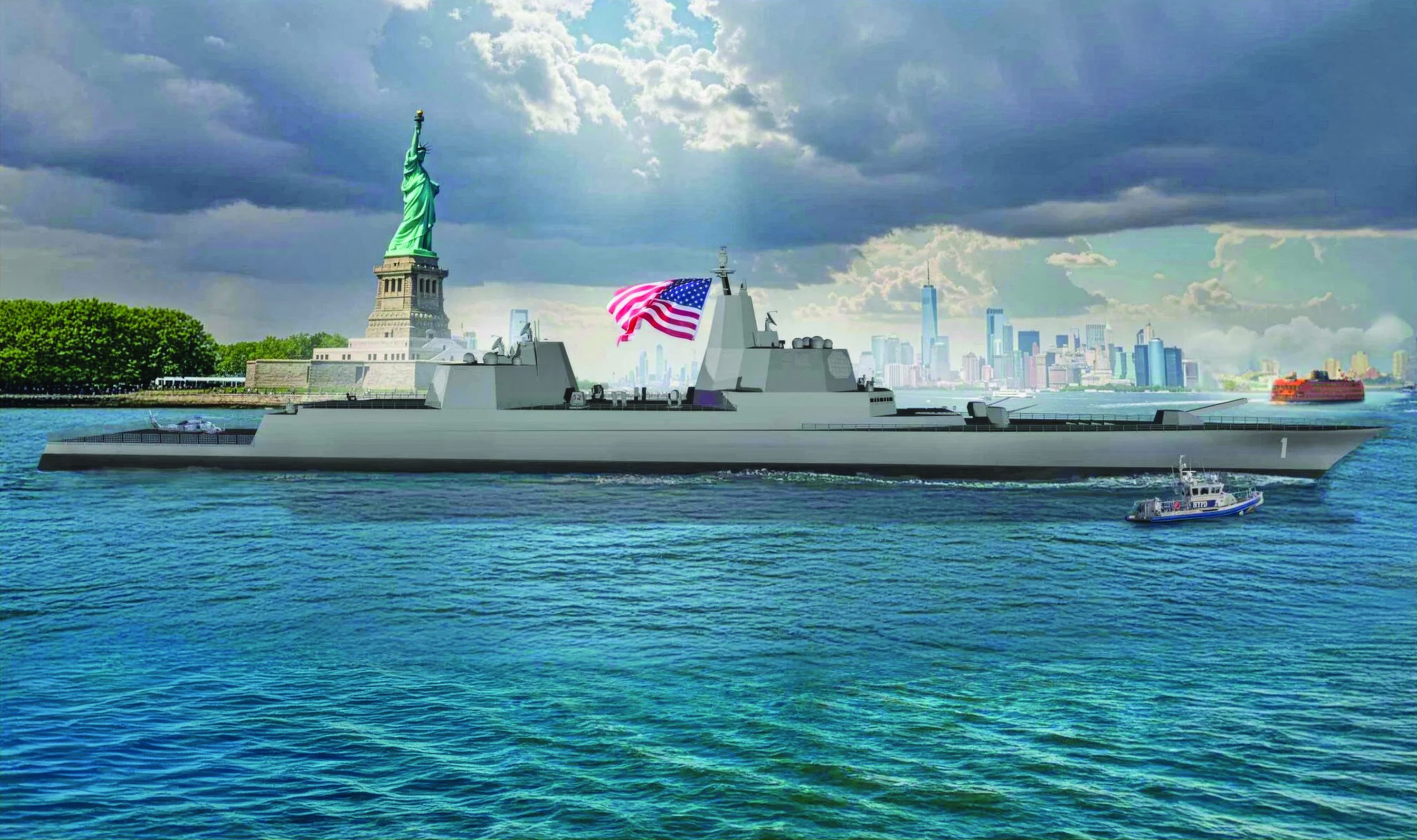
The Golden Fleet Plan and the Future of U.S. Naval Operations
The United States Navy currently relies on the concept of distributed maritime operations, under which naval assets are dispersed across wide operational areas and linked through an extensive network designed to enhance combat effectiveness. This approach enables multiple sensors and weapons systems to operate in coordination, thereby increasing the lethality and resilience of naval forces.
Against this backdrop, President Donald Trump’s Golden Fleet initiative represents a potential departure from this model. The proposal prioritises the construction of a smaller number of large and expensive warships that, while highly capable, may also be more vulnerable due to their size and concentration of firepower.
Trump’s announcement of plans to build new warships has therefore sparked considerable debate within naval circles. Critics argue that the proposal effectively revives the concept of large battleships, which dominated naval warfare during the twentieth century. Traditionally, these vessels were heavily armoured and equipped with massive naval guns designed to engage enemy ships or bombard coastal targets. Their role reached its peak during World War II before rapidly declining in the post-war era as aircraft carriers and long-range missile systems became the dominant instruments of maritime power.
Modern destroyers, by contrast, have been equipped with advanced radar systems and interceptor aircraft capabilities, reflecting the evolution of naval warfare. However, the ships envisioned under the Golden Fleet initiative would represent a new class of surface combatants significantly larger than existing destroyers. They are expected to incorporate advanced offensive capabilities, including hypersonic weapons, while operating in conjunction with large numbers of smaller unmanned vessels and cruisers.
Some assessments suggest that this vision aligns with conclusions drawn from recent U.S. Navy exercises, which indicated that the proposed future destroyer design known as DDG(X) lacks the space required to carry the level of offensive firepower anticipated for future naval battles. This finding has reinforced calls for larger warships with sufficient missile capacity to perform both offensive and defensive missions effectively.
Moreover, the Golden Fleet forms part of the broader Comprehensive Combat Power Strategy unveiled during Trump’s first presidential term. The strategy aims to strengthen American military superiority over the coming decades and widen the capability gap between the United States and its competitors. In this context, the introduction of Trump-class warships could form the backbone of future U.S. surface warfare, significantly increasing the lethality of naval strike groups.
Trump’s Plan and the Future Balance of Naval Power
Several American reports suggest that the Golden Fleet initiative is intended to reshape the global maritime balance of power for decades to come. The plan aims to deter any naval force seeking to challenge U.S. maritime dominance by developing a new generation of surface combatants that could become the most powerful warships ever built by the United States.
Although the fleet of the People’s Liberation Army Navy of China currently surpasses that of the United States in numerical terms, analysts emphasise that fleet size alone does not determine naval superiority. The United States still maintains a decisive advantage in technological capability and global force projection.
Nevertheless, the rapid expansion of Chinese naval capabilities has raised concerns that Washington could eventually lose its long-standing maritime dominance. The Golden Fleet plan, therefore, seeks to widen the qualitative advantage of the United States in order to offset China’s numerical superiority and ensure continued maritime supremacy.
Chinese naval doctrine has long emphasised the use of large numbers of anti-ship missiles-both ballistic and cruise-to overwhelm U.S. warships. In response, the Golden Fleet concept envisions equipping Trump-class vessels with powerful offensive systems and advanced multi-layered missile defence capabilities. These would include maritime laser systems and next-generation interceptor missiles designed to counter saturation missile attacks.
Such capabilities could strengthen the ability of U.S. forces to withstand large-scale missile barrages and retain the capacity to deliver a decisive second strike.
Revitalising the Shipbuilding Sector
Another objective of the Golden Fleet initiative is to address long-standing weaknesses in the American shipbuilding industry. Over the past decades, China has significantly expanded its shipyard capacity, enabling it to produce naval vessels at a far faster pace than the United States. By contrast, U.S. shipyards operate at a considerably slower rate of production. This disparity prompted President Trump to sign an executive order declaring the decline of the American shipyard workforce a threat to national security and launching a comprehensive initiative to expand domestic shipbuilding capacity.
The Golden Fleet plan could also create opportunities-and obligations-for U.S. allies to contribute to this effort. Countries such as South Korea and Australia may support the initiative through logistical cooperation, the establishment of regional facilities, and collaboration on unmanned systems and modular production. For some allies, the initiative could represent a strategic turning point. For instance, South Korea’s advanced industrial base and shipbuilding infrastructure could allow it to play a significant role in supporting U.S. naval capabilities. Such cooperation may require Seoul to reconsider aspects of its industrial strategy, shifting from a focus primarily on the defence of the Korean Peninsula to a broader role in theatre-level networked maritime operations.
Consequently, the Golden Fleet initiative presents both opportunities and strategic challenges for Washington’s allies.
Persistent Challenges
Despite its ambitious scope, the Golden Fleet initiative faces a range of significant challenges. Constructing large warships while simultaneously deploying extensive fleets of unmanned platforms could place considerable strain on the American industrial base, which already faces rising costs, production delays, and labour shortages.
Addressing these issues will likely require major structural reforms, including improvements in procurement efficiency and sustained long-term investment in shipbuilding infrastructure. Operational and doctrinal challenges also remain. Integrating unmanned fleets with manned warships, managing large numbers of autonomous systems, maintaining effective command and control, and ensuring interoperability with allied forces will require fundamental shifts in naval doctrine and organisational structures. Some Western reports suggest that without such transformations, the implementation of the Golden Fleet concept may remain an aspirational goal rather than a practical reality.
Strategic Risks
The Golden Fleet initiative also raises concerns about potential escalation in global maritime competition. While the plan aims to strengthen deterrence, the deployment of massive warships alongside swarms of unmanned vessels could prompt rival powers to adopt countermeasures, intensifying naval competition and raising tensions at sea.
Some analysts have drawn historical comparisons between the proposed Trump-class warships and the massive Yamato-class battleship vessels Yamato and Musashi, built by Japan during World War II. Despite being the largest battleships ever constructed, both ships were ultimately sunk before they could play a decisive role in combat. These examples highlight how the perceived advantages of large warships have evolved over time. While size once represented a major advantage, modern warfare increasingly exposes large platforms to new forms of vulnerability.
Another major obstacle lies in the cost of the proposed vessels. Even if the technology proves feasible, the financial burden could become the decisive factor limiting the programme. A relevant precedent is the Zumwalt-class destroyer programme, originally intended to produce 32 ships but ultimately reduced to just three due to rapidly escalating costs.
Estimates suggest that each Trump-class vessel could cost two to three times more than current destroyers.
Conclusion
The Golden Fleet initiative continues to provoke intense debate within the United States regarding its feasibility and its potential impact on the future balance of naval power. Supporters view it as a comprehensive plan to restructure the size and composition of the U.S. Navy while serving as a testing ground for advanced logistics, naval support systems, and the broader strategy of projecting “power over distance.”
Critics, however, argue that the U.S. Navy may not be able to absorb such a major shift in shipbuilding priorities. Given the high costs, industrial constraints, and doctrinal challenges involved, some analysts believe the programme could ultimately face delays-or even cancellation-by a future administration before the first ship is completed.
By: Adnan Moussa (Assistant Lecturer, Faculty of Economics and Political Science – Cairo University)