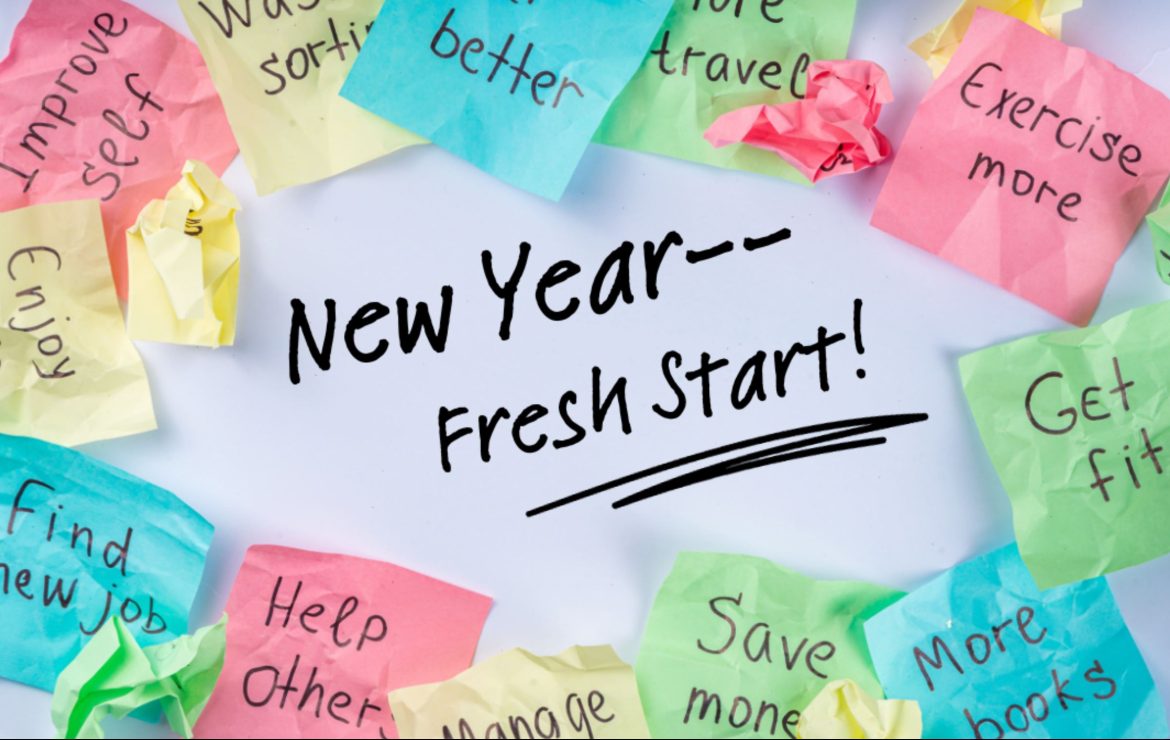
As one year ends and another begins, many of us feel the urge to turn a new page—a chance to redefine our dreams, goals, and aspirations. While this moment arrives every 12 months, it provides a valuable opportunity to reassess and realign our lives: our health, emotions, relationships, and even how we view ourselves.
The New Year is not just a change of date; it is an invitation to renew, to catch our breath, and to make conscious decisions about what we wish to carry forward and what we are ready to leave behind. True planning begins not with long lists of ambitious resolutions that fade within weeks, but with self-understanding and realistic goal-setting that fosters a balanced lifestyle for both body and mind. Small, meaningful habits can create tangible, lasting change.
Step 1: Reflect Before Planning
The first step in any successful plan is to pause and take stock. Before charting a new course, it is crucial to evaluate where we currently stand. Honest reflection allows us to assess our physical and mental well-being: How have we coped with work-related fatigue? Was our sleep consistent? Did we maintain healthy, supportive relationships? Did we give ourselves adequate time to rest and recharge?
Some goals may have gone unachieved not due to a lack of effort but because of time constraints, mental distractions, or everyday pressures. This stage is not about self-criticism; it is an opportunity to reconnect with ourselves. Understanding our current position makes goal-setting more realistic, our steps clearer, and our decisions more likely to produce meaningful results.
Step 2: Planning and Setting Goals
Many people start the year with lofty goals inspired by societal expectations or idealised visions, without considering their personal reality or lifestyle. A genuine goal is one that fits your life as it is, not as imagined. To be effective, goals should have three essential qualities:
Realistic: A realistic goal is achievable and sustainable. For example, exercising three times a week is more attainable than committing to daily workouts without fail.
Measurable: Vague intentions such as “I will take better care of my health” are difficult to track. Specific, measurable goals, such as “I will reduce added sugar intake by half,” allow progress to be monitored.
Gradual: Significant change begins with small, consistent steps. Habits build upon each other, ultimately producing noticeable, lasting results.
Step 3: Integrating Health Goals into Your New Year Plan
A successful annual plan must prioritise health. Good health is the foundation for everything else: career success, strong relationships, clear thinking, and overall happiness. Health goals can be grouped into three main areas for a balanced lifestyle:
Balanced Nutrition: Healthy eating is not just about daily choices; it has long-term effects. Improvements need not be drastic. Simple steps—like increasing fruit and vegetable intake, gradually reducing sugary drinks, and maintaining proper hydration—can make a substantial difference.
Physical Activity: Exercise does not require hours at the gym. Thirty minutes of daily movement—walking, home workouts, stretching, yoga, swimming, or cycling—can have a significant long-term impact.
Mental Health—A Non-Negotiable Priority: Mental well-being should be included in New Year plans through simple yet effective practices: daily meditation or deep breathing, setting boundaries at work and in relationships, pursuing enjoyable hobbies such as reading, gardening, or painting, and seeking professional support when needed. Mental health is essential for productivity, resilience to stress, and adherence to other goals.
Step 4: Writing Down Your Plan
Studies show that people who write down their goals are more likely to achieve them than those who keep them in their minds. Writing provides clarity, transforms intention into commitment, and structures actionable steps. Plans should ideally be divided into levels:
Annual Goals: The overarching vision, such as improving fitness or enhancing mental health.
Monthly Goals: Practical, measurable steps, like dedicating one day a month to a mental wellness activity or completing one book.
Weekly Goals: Small, recurring tasks, such as exercising three times per week or preparing two healthy meals at home.
Daily Goals: The foundation of sustainable change, including consistent sleep schedules or consuming a serving of fruit or vegetables with each meal.
Step 5: Acceptance and Flexibility
Life is inherently unpredictable. Some goals may be achieved sooner than expected, others postponed, or even modified. This is not failure—it is part of personal growth. Planning is a guide, not a rigid obligation. Each day offers an opportunity to gently return to the path, reshape life choices, and adopt a healthier, more balanced lifestyle. Health is not just a decision; it is a way of life, beginning with a small step taken today and continued every day.
By: Dr Badreyya Al-Harmi, Public Health Consultant