



In the aftermath of the Cold War, the United States Army confronted a profound shift in its threat environment. The likelihood of large-scale, state-on-state wars requiring massive armoured formations receded, while regional crises multiplied and the demand for rapid intervention capabilities increased. At the same time, non-traditional and asymmetric forms of warfare became more prominent. Although the 1991 Gulf War demonstrated the decisive power of heavy formations, subsequent operational experience throughout the 1990s exposed their structural limitations-particularly in strategic mobility, deployment speed, and adaptability to diverse and fluid theatres of operation.
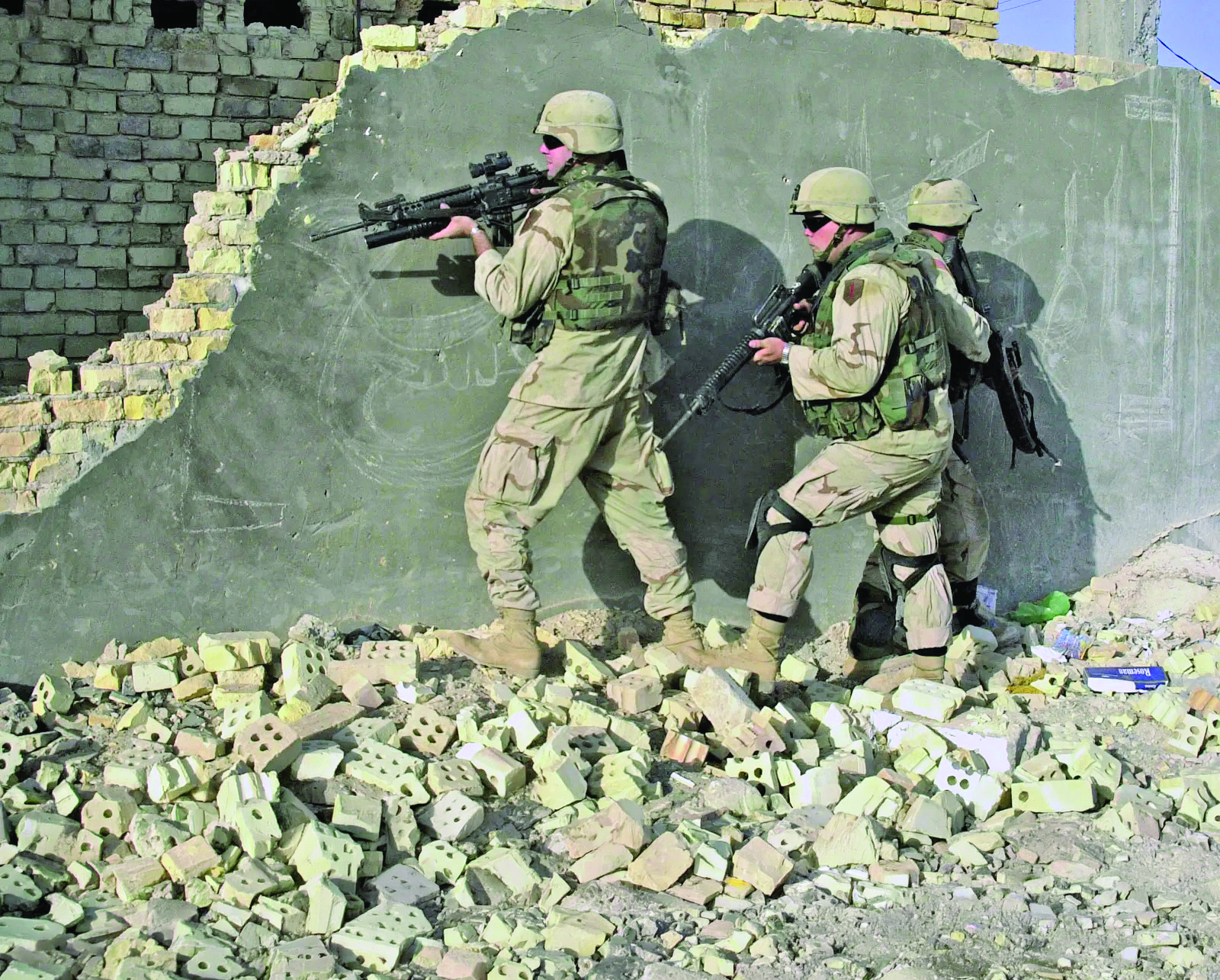
Against this backdrop, the U.S. Army launched its institutional Army Transformation programme in the early 2000s under the leadership of then Chief of Staff General Eric Shinseki. This effort led to the adoption of Brigade Combat Teams (BCTs) as the Army’s core manoeuvre unit: standardised, modular, and capable of relatively independent deployment. The BCT concept integrated infantry, armour, aviation, fire support, and sustainment elements within a single, flexible formation that could be tailored to mission requirements and operating environments.
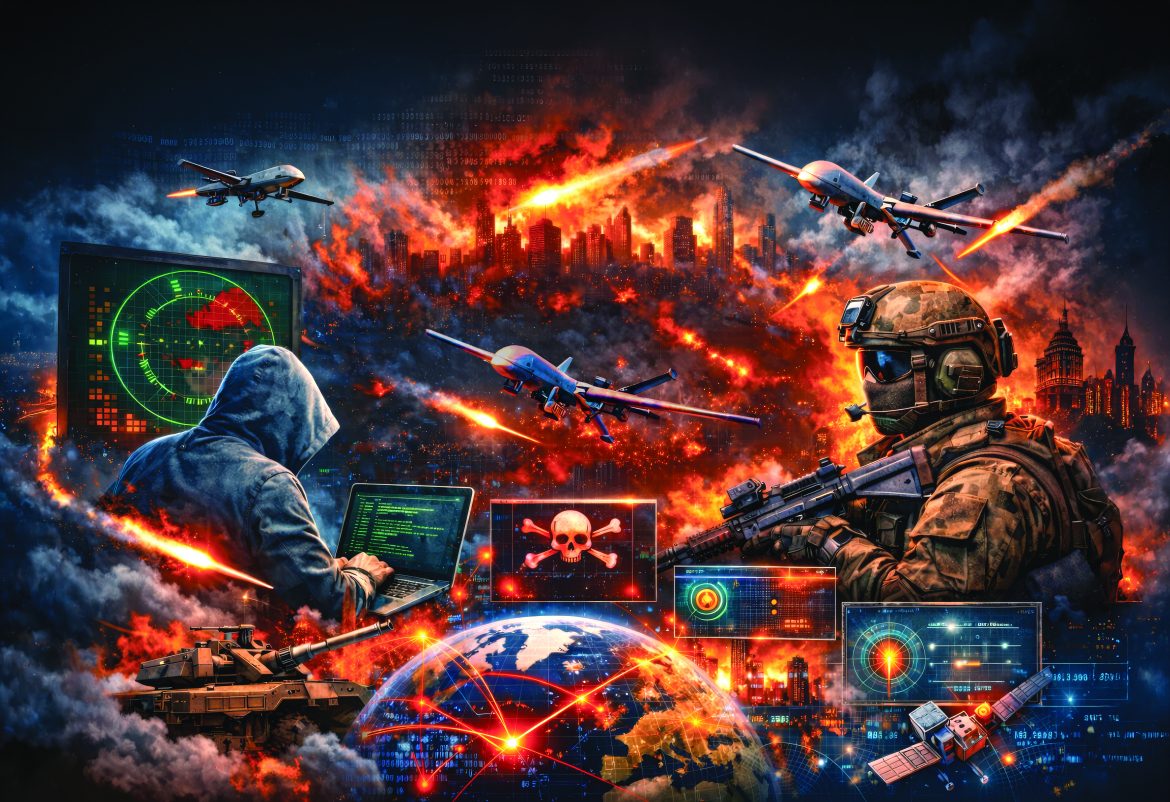
While this model proved well-suited to the conflicts of the early twenty-first century, it is now facing a qualitative test as the character of future warfare evolves. Emerging conflicts are increasingly multi-domain in nature, marked by unprecedented battlefield transparency, the widespread use of precision fires and unmanned systems, and the growing centrality of urban combat. These trends necessitate a reassessment of the role of ground manoeuvre forces-particularly infantry and armoured units-and raise fundamental questions about the suitability of existing organisational structures for future high-intensity, technologically complex conflicts.
War as an Organised Contest of Wills
War has long been defined as an organised contest between opposing wills-a description that remains valid in essence. Yet since the early 2010s, the methods of conducting this contest and the organisation of military power have undergone significant transformation. Following prolonged campaigns in Iraq and Afghanistan, rapid technological advances, and the return of great-power competition, Western military thinking-especially in the United States and NATO-has increasingly embraced the concept of Multi-Domain Warfare or Multi-Domain Operations.
Between roughly 2015 and 2018, this concept emerged as a doctrinal response to an operational environment characterised by deep interdependence across domains. Land warfare can no longer be viewed as a self-contained sphere. Instead, it forms part of an integrated system encompassing land, air, and maritime domains, alongside cyber and space, as well as the information and cognitive domain that targets perception, decision-making, and situational awareness.
As a result, the effectiveness of infantry and armoured formations-particularly at brigade level-can no longer be measured solely by firepower or manoeuvre. It is increasingly defined by their ability to integrate into a multi-domain operational network, exchange information in real time, coordinate with long-range fires, and operate effectively under conditions of constant surveillance and cross-domain engagement. Any assessment of the future of ground manoeuvre forces must therefore begin with an understanding of this fundamental shift in the nature of war itself, rather than focusing narrowly on platform modernisation or organisational adjustments in isolation.
The Character of Future Wars
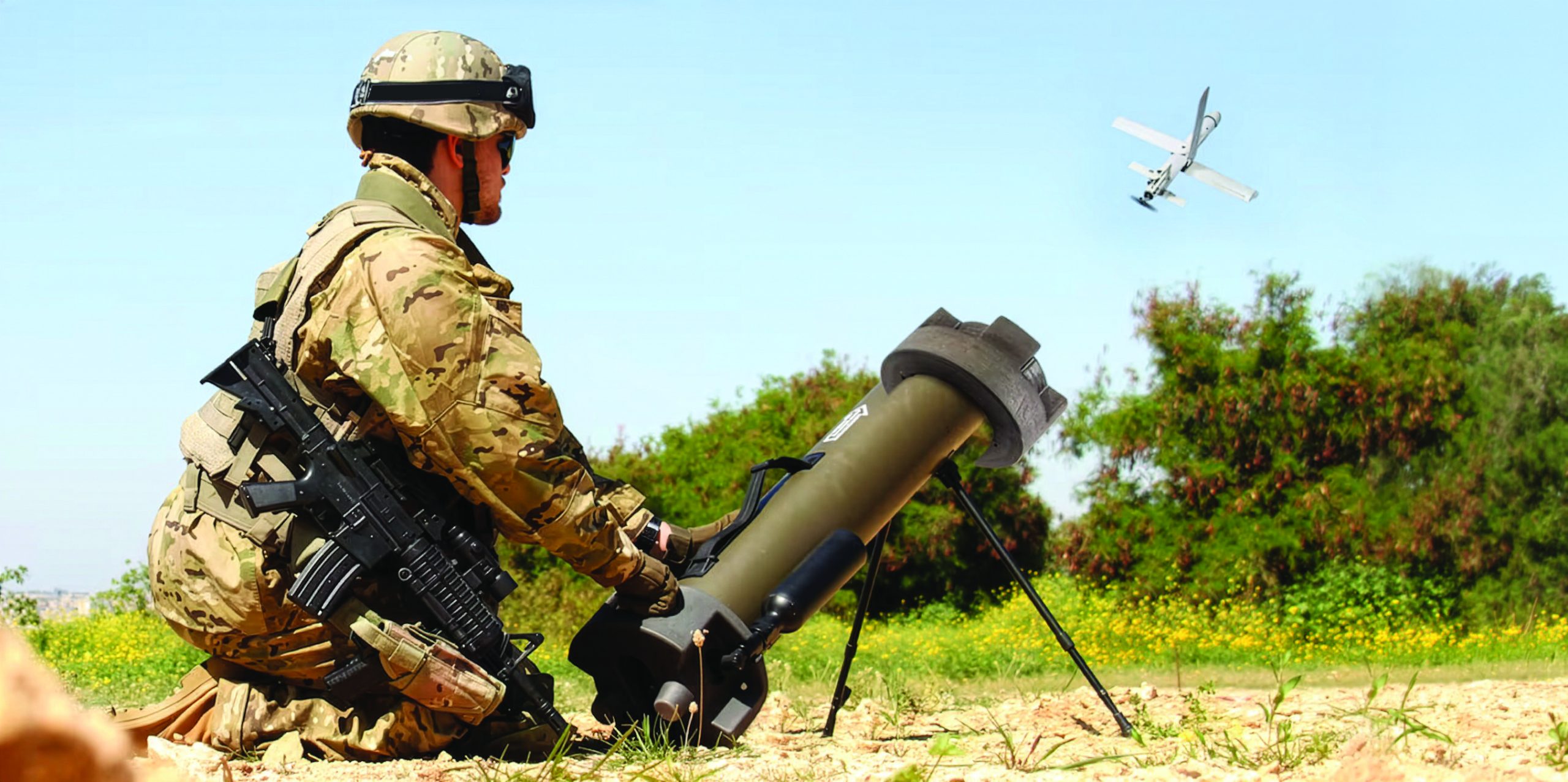
Within this evolving understanding of conflict, future wars-especially hybrid wars-represent a critical testing ground for existing force structures. Hybrid warfare combines conventional military means with irregular operations, cyber and information tools, and political and economic pressure, often applied simultaneously. Recent conflicts suggest that such wars will unfold in environments where the boundary between military and non-military domains is increasingly blurred. One defining feature of future battlefields is the move towards near-complete battlefield transparency. The widespread proliferation of unmanned aerial systems, the availability of commercial satellite imagery, and advances in persistent intelligence, surveillance, and reconnaissance have eroded traditional concepts such as secure positioning and concealed reserves. Large, heavy formations have consequently become high-value, easily detectable targets in both hybrid and high-intensity conflicts.
This development coincides with a marked increase in the effectiveness of relatively low-cost precision weapons, including guided missiles, loitering munitions, and armed drones. The resulting imbalance in the cost-effectiveness equation has profound implications. Neutralising a main battle tank or armoured vehicle can now cost a fraction of the expense required to produce, operate, and sustain it throughout its life cycle. This reality compels a fundamental reassessment of the utility of massed heavy formations, particularly when they operate outside a comprehensive, networked protection system that integrates early warning, active defence, and cross-domain fires.
Urbanisation further shapes the future battlespace. Demographic projections indicate that approximately 70 per cent of the world’s population will live in cities, making urban environments the primary arenas of conflict. Such terrain restricts the mobility of armoured forces, diminishes their shock effect, and amplifies the decisive role of infantry in control, discrimination, and interaction within a dense and complex civilian setting. The central challenge for modern armies is therefore no longer confined to platform modernisation or increased firepower, but extends to the suitability of existing ground manoeuvre formations-in terms of size, distribution, and flexibility-for hybrid, transparent, and operationally costly wars.
Towards More Adaptive Manoeuvre Formations
Alongside these challenges, recent operational experience highlights the potential value of adapting ground manoeuvre tactics by drawing on lessons from non-traditional warfare, flexible organisational models, and decentralised operations commonly associated with special operations forces. Evidence increasingly supports the effectiveness of smaller, more autonomous sub-units capable of operating as semi-self-sufficient combat elements. Such units can integrate reconnaissance, command and control, precision fires, and forward logistical support, while retaining the ability to rapidly recombine into larger formations when operationally required. This organisational approach enhances decision-making speed, reduces operational signatures, and improves manoeuvrability in complex and urban environments-without sacrificing the capacity to generate massed combat effects at higher levels of command. Decentralisation and tactical autonomy should therefore not be seen as substitutes for joint and combined operations, but as complementary mechanisms that allow ground manoeuvre formations to balance lower-level operational flexibility with higher-level combat synergy. Ultimately, the future effectiveness of ground manoeuvre forces will depend on their ability to adapt organisationally and doctrinally to the realities of multi-domain, hybrid, and highly transparent warfare. Understanding these dynamics is a prerequisite for reassessing readiness and redesigning land forces capable of meeting the demands of future conflict.
Unconventional Warfare and the Imperative of Balance
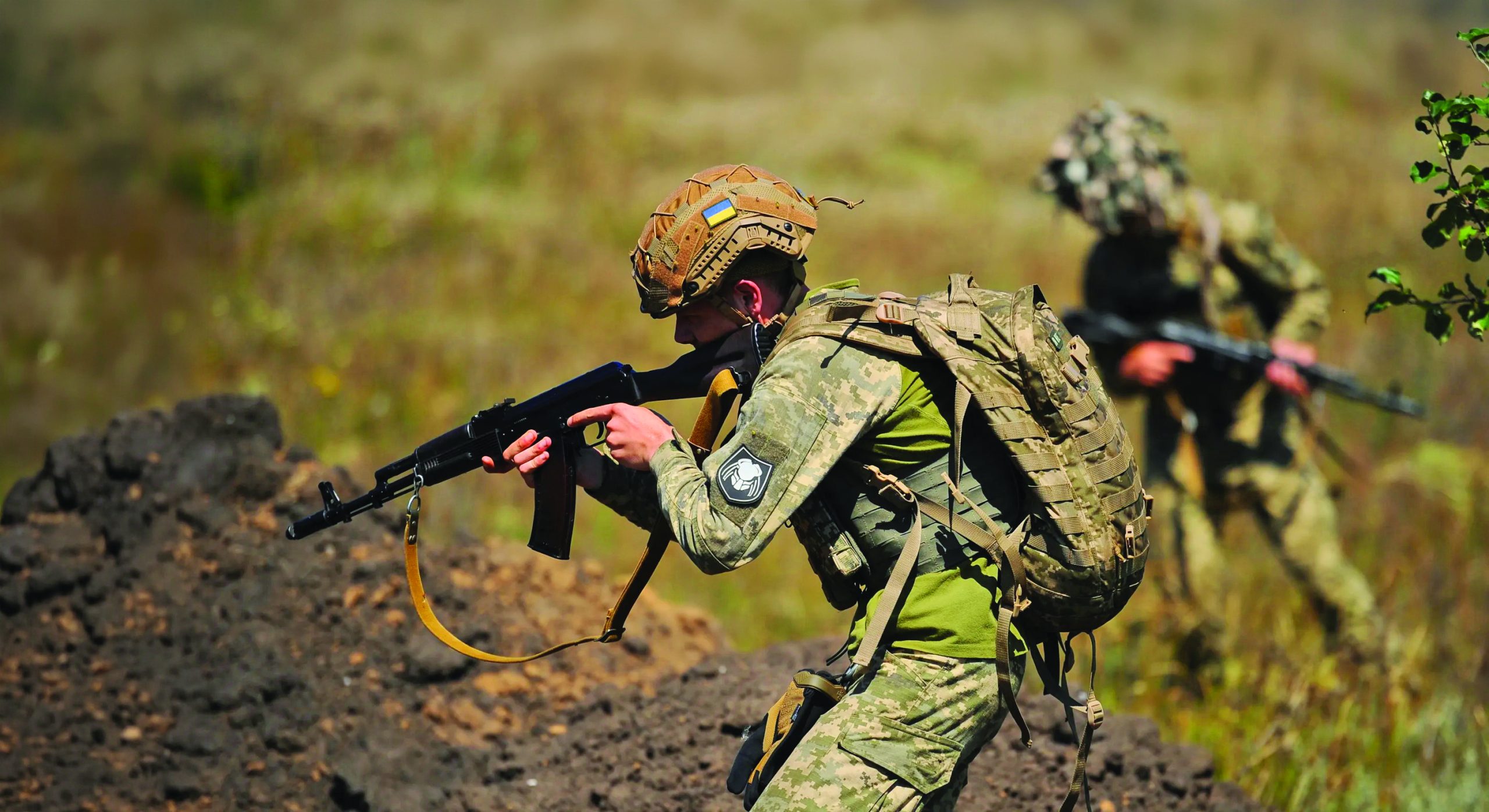
The growing emphasis on unconventional warfare, hybrid conflict, and asymmetric capabilities should not lead to the neglect of the possibility of high-intensity conventional wars, even if such scenarios appear relatively less likely. The war in Ukraine has clearly demonstrated that large-scale conflict between regular armed forces-employing armoured formations, massed artillery, and long-range fires-remains both possible and strategically decisive, particularly in the context of state-to-state competition. At the same time, the conflict has revealed that conventional warfare is no longer fought in its classical, isolated form. Instead, it is now deeply intertwined with non-traditional instruments, including low-cost unmanned systems, information warfare, cyber operations, and the systematic targeting of critical infrastructure and economic depth. The Ukrainian experience, therefore, underscores the necessity of adopting a balanced approach to land force design-one that preserves readiness for high-intensity conventional warfare while continuing to develop the capabilities required to confront hybrid and unconventional forms of conflict, which are likely to represent the most probable character of future wars.
Achieving this balance between conventional and non-conventional capabilities is essential to ensuring the flexibility of land forces and their ability to transition smoothly across the full spectrum of conflict. Confining force design to a single operational model risks strategic rigidity and may prove inadequate in the face of a rapidly evolving and uncertain security environment.
Towards a Framework for Transformation
Building on these considerations, it is possible to outline a guiding framework for the required transformation of ground manoeuvre forces, centred on the necessity of conducting a comprehensive Capability Review. Such a review constitutes a prerequisite for reducing organisational risk and avoiding imbalanced or premature outcomes during transformation processes.
This framework can be summarised across four interrelated and overlapping phases:
1. Assessing the Future Operating Environment: The starting point lies in identifying the defining characteristics of potential future conflicts-conventional, hybrid, and high-intensity-and analysing their implications for land manoeuvre. Particular attention should be given to issues such as exposure to detection, decision-making timelines, threat patterns, and the evolving nature of the battlespace.
2. Organisational Stress Testing: This phase involves evaluating existing force structures in light of these scenarios, examining factors such as size, command and control arrangements, flexibility, and the ability to disaggregate and reconstitute units. The objective is to identify strengths and shortcomings objectively, without preconceived assumptions about dismantling or preserving current organisational models.
3. Reviewing Core Capabilities: At this stage, critical operational capabilities-sensing, command and control, manoeuvre, fires, protection, and sustainment-are systematically assessed. The focus is on their degree of networked integration, their capacity for independent action, and their ability to integrate rapidly into larger formations when required. This review also examines whether existing and planned capabilities are aligned with the anticipated character of future warfare and identifies the appropriate applications of artificial intelligence within capability development plans.
4. Defining Phased Transformation Pathways: Rather than pursuing abrupt shifts towards entirely new organisational models, transformation should proceed incrementally. Phased pathways allow for the experimentation and evaluation of alternative organisational and tactical concepts-such as semi-autonomous sub-units or flexible, modular formations-within controlled, assessable frameworks that can be refined over time.
In conclusion, the required transformation of ground manoeuvre formations is neither a cosmetic restructuring nor a purely technological upgrade. It is a deliberate institutional process that begins with a rigorous review of capabilities, is grounded in a deep understanding of the changing nature of war, and culminates in a land force capable of operating effectively across a broad spectrum of conflicts. Adopting such an approach not only enhances alignment with the demands of future warfare but also provides a sound basis for making gradual, balanced, and sustainable development decisions in an increasingly uncertain and fast-changing security environment.
By: Major General (Ret.) Khaled Ali Al-Sumaiti