




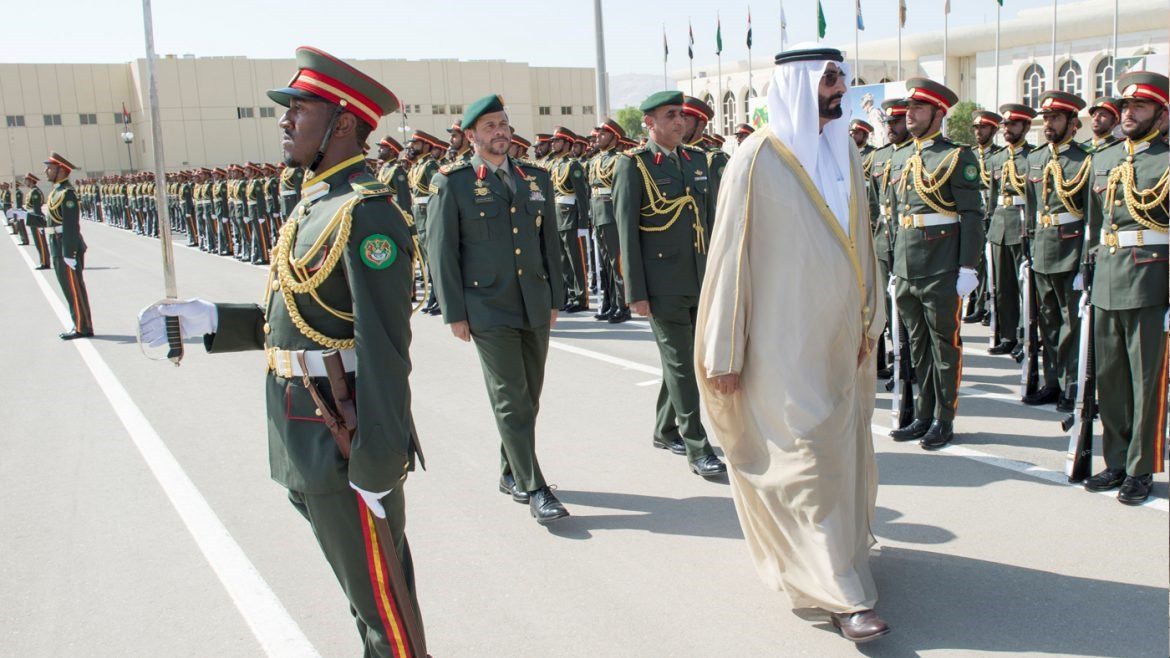

Logistics remains one of the most critical pillars underpinning combat effectiveness and operational readiness within military institutions. Far from being a purely technical or mechanical activity concerned with supplying equipment, ammunition, and transport, military logistics constitutes an integrated system for managing and distributing resources to sustain operations over time. Its effectiveness directly shapes a force’s ability to operate, adapt, and prevail in complex operational environments.
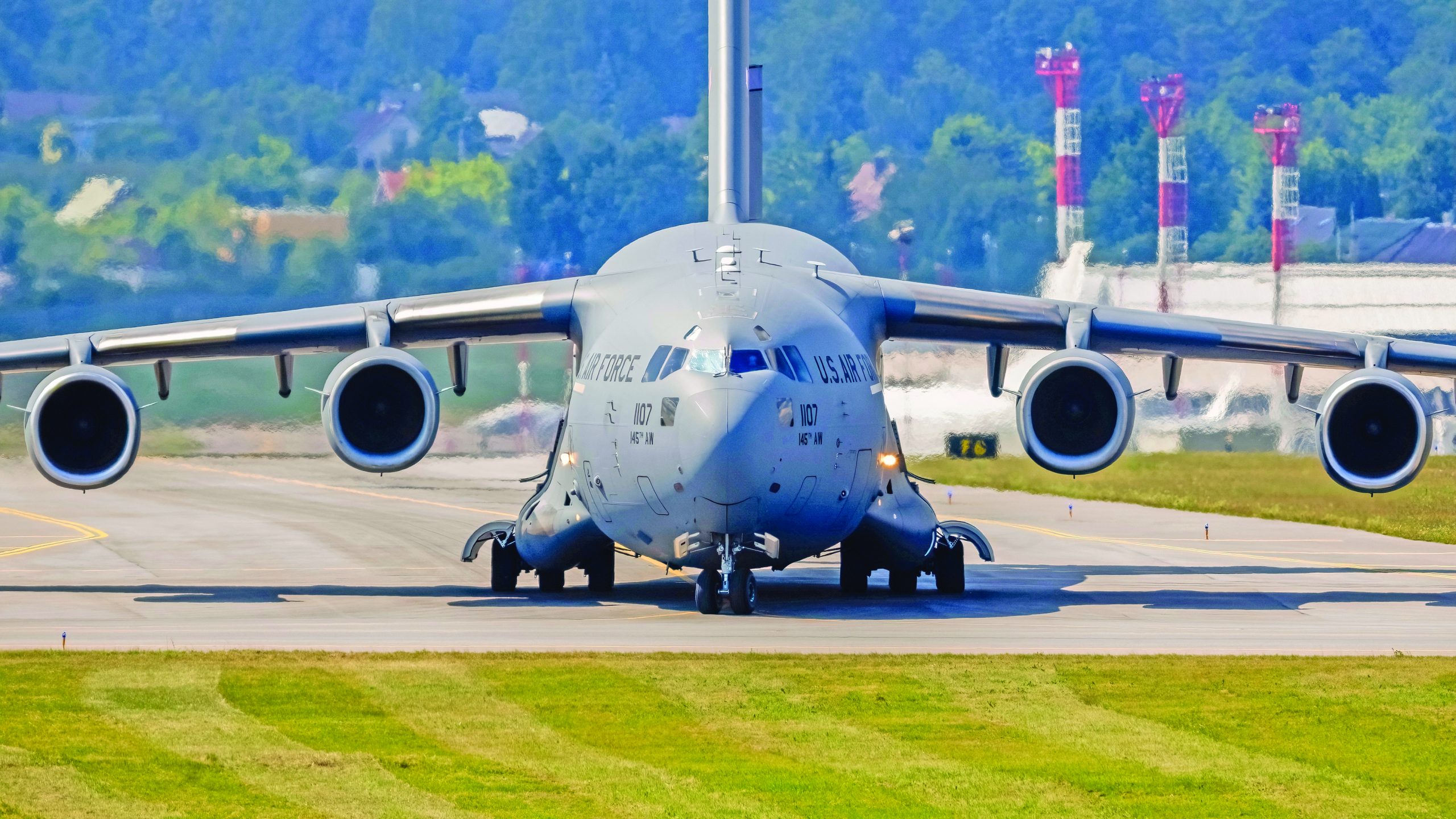
In the post–Cold War era, the emergence of increasingly dynamic and multifaceted theatres of operation has driven the need to institutionalise performance assurance as a core function within military logistics. Performance assurance goes beyond traditional supply execution, focusing instead on ensuring that systems, equipment, and suppliers consistently meet defined, measurable performance levels. This includes monitoring reliability, availability—commonly expressed as a percentage reflecting the ratio between actual operating time and planned time—and responsiveness across the logistics lifecycle. Within this context, performance assurance has become a central pillar of modern defence policy. It forms an integral component of quality management and continuous improvement frameworks, aimed at enhancing efficiency and strengthening operational reliability throughout the lifecycle of defence systems.
The Concept of Performance Assurance
According to the Performance-Based Logistics (PBL) Guidebook issued by the U.S. Defense Acquisition University, performance assurance in military institutions can be defined as the system that provides confidence that logistics activities are achieving their intended objectives in terms of effectiveness, efficiency, and reliability. While it intersects with quality management, performance assurance differs in both purpose and approach. Quality management focuses primarily on conformity to specifications, whereas performance assurance seeks to achieve tangible operational outcomes through continuous monitoring, analysis, and improvement.
The UK Ministry of Defence (MOD) formally adopted this concept within its Governance–Assurance–Improvement triad, as outlined in its quality policy JSP 940. Under this framework, performance assurance is described as the mechanism that ensures governance objectives are met and that continuous improvement is translated into measurable performance outcomes. As such, performance assurance is not merely a technical or executive function; it is a strategic governance tool that enhances institutional oversight and converts accumulated operational experience into actionable organisational knowledge.

Performance Assurance as a Core Logistics Function
Military supply systems typically comprise several core functions, including planning, procurement, transportation, maintenance, and performance assurance. What distinguishes performance assurance is its horizontal nature: it links all other functions through an integrated performance monitoring and analysis system. Performance criteria are defined during the planning phase—such as required fleet readiness rates—tracked during transportation and supply operations, and evaluated through maintenance outcomes and failure indicators across the operational lifecycle.
Modern armed forces rely on both international and military standards to structure performance assurance. Among the most influential are civilian quality standards such as ISO 9001:2015, which establishes quality management requirements based on a process-oriented and continuous improvement approach. ISO 10005, meanwhile, outlines principles for developing quality plans and is widely used in military projects to document performance assurance requirements.
NATO provides a prominent example of multinational standardisation through its Allied Quality Assurance Publications (AQAP), which serve as a unified reference for joint defence industries. Within this framework, NATO AQAP 2110 requires suppliers to implement comprehensive quality systems covering design, development, and production stages, while STANAG 4107 establishes the principle of mutual recognition of government assurance results among member states. Together, these measures enhance trust, reduce duplication, and strengthen logistical integration across the Alliance.
The UK quality policy further emphasises that continuous improvement lies at the heart of effective assurance. It requires defence sectors to establish regular review mechanisms to assess the effectiveness of support and supply systems, ensuring that processes, products, and services consistently exceed user expectations.
Mechanisms of Performance Assurance in Supply Systems
Performance assurance relies on a set of integrated processes operating within a continuous cycle of planning, monitoring, and improvement. It begins at the design stage, where target performance indicators are defined and embedded into contracts and technical specifications. This early integration ensures clarity and accountability from the outset.
Verification and periodic auditing form another core component. Under the British model, for example, Government Quality Assurance Teams conduct regular on-site inspections of suppliers, warehouses, and supply systems to ensure compliance with agreed performance standards.
Advanced analytical tools play a central role in driving improvement. Root Cause Analysis is employed when readiness declines or failure rates increase, enabling organisations to identify underlying causes such as inadequate training, supplier shortcomings, or equipment obsolescence. Similarly, Statistical Process Control allows continuous monitoring of maintenance and supply performance, facilitating early intervention before minor deviations escalate into operational failures.
Risk-based assurance represents a further evolution of this approach. By aligning the intensity of oversight with the criticality of systems, it ensures that assurance efforts are concentrated on high-risk assets, striking a balance between operational effectiveness and efficient resource utilisation. Collectively, these mechanisms transform performance assurance from a reactive control function into a proactive, preventative system that enhances efficiency throughout the logistics lifecycle.
The UK Ministry of Defence Experience
The British MOD offers a mature example of integrating performance assurance within military supply systems. Since 2015, quality and logistics policies have been unified under the MOD’s quality framework, reinforcing the linkage between assurance and institutional improvement. According to the MOD Quality Assurance Annual Review 2024, applying the Governance–Assurance–Improvement model resulted in an 11 per cent improvement in operational readiness across unmanned aerial systems programmes over three years. It also reduced non-conformance incidents in logistics support projects by 22 per cent, while strengthening senior leadership confidence in performance metrics and enabling more precise funding decisions.
A defining feature of the UK approach is the integration of continuous improvement into organisational culture through the Self-Assurance Model. This model empowers units to conduct structured self-assessments against defined criteria before undergoing independent external audits. The combination of internal evaluation and external oversight embeds performance assurance into the daily operational rhythm of the logistics system.
Performance Assurance Challenges and the Role of Artificial Intelligence
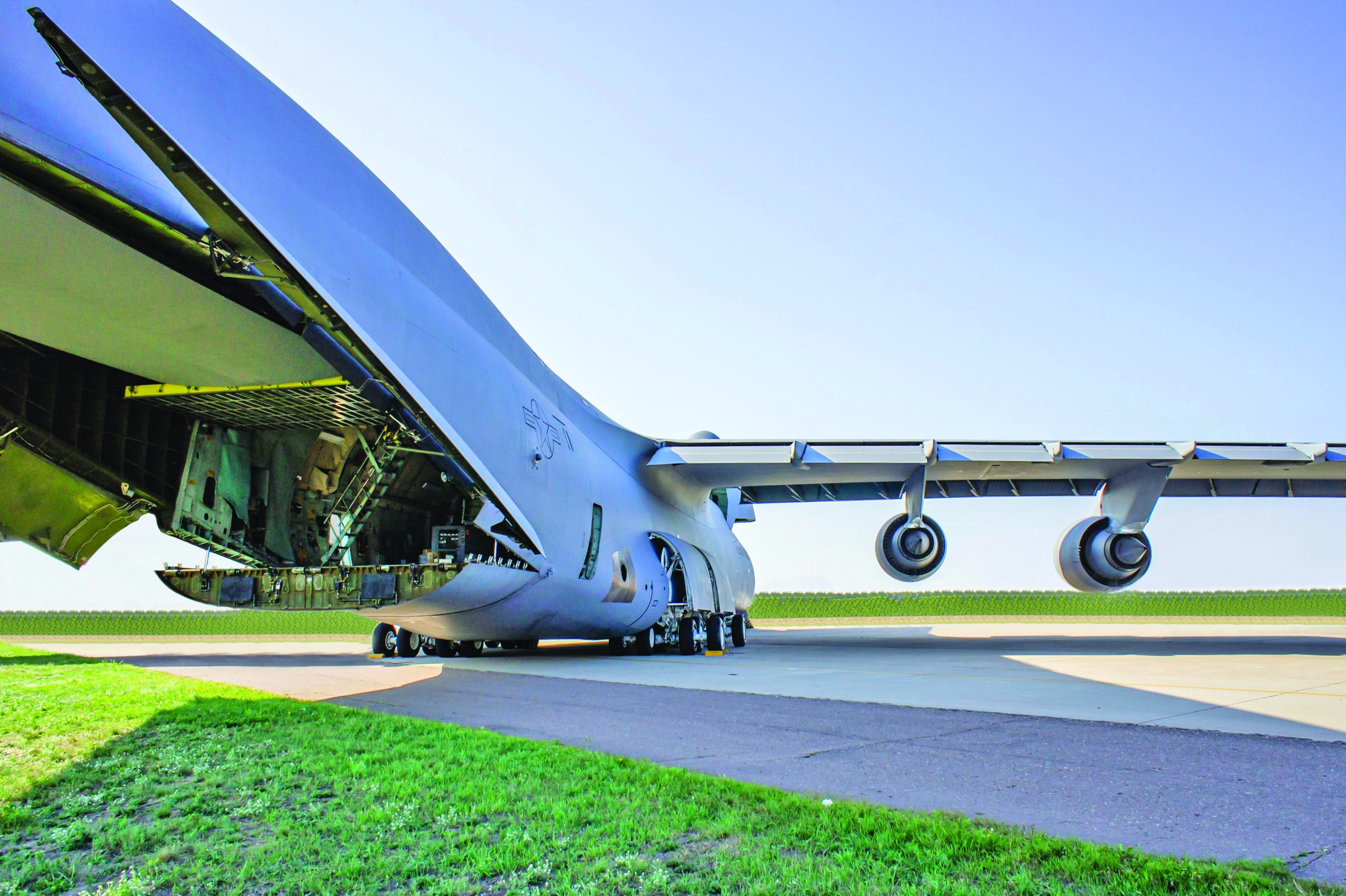
Despite its benefits, performance assurance faces several challenges common across military institutions. Bureaucratic complexity remains a major obstacle, as overlapping oversight bodies can lead to duplicated reviews and blurred authorities. Equally significant is the shortage of analytical expertise, given that effective assurance depends on specialists capable of interpreting data and performance indicators with precision. From a forward-looking perspective, artificial intelligence (AI) is expected to underpin an advanced model known as Smart Assurance. This model leverages predictive analytics and real-time data to enhance confidence that logistics and operational activities meet readiness, effectiveness, efficiency, and reliability objectives. Practical applications include predictive maintenance, which anticipates equipment failures using sensor data; real-time scheduling, which dynamically adjusts supply priorities and routes in response to operational changes; intelligent dashboards for continuous readiness monitoring; and digital twins that simulate maintenance and supply scenarios to assess their impact before execution.
When combined with blockchain technology, Smart Assurance can deliver auditable transparency across supply chains through tamper-resistant distributed ledgers. These systems enable end-to-end tracking of parts, maintenance actions, and compliance with service level agreements, reinforcing data integrity and decision traceability. Defence policies and parliamentary reports in the UK, alongside Canada’s Defence AI Strategy, indicate growing momentum towards institutional frameworks—sometimes referred to as Performance Assurance Cells—dedicated to AI-enabled readiness monitoring and operational decision support.
Successful implementation, however, requires robust data governance, strong cybersecurity, model transparency and explainability, and rigorous adversarial testing to counter data manipulation. Hybrid operating models that retain human decision-makers in the loop are essential, particularly in high-risk scenarios. Pilot projects, digital performance centres, and adaptive legal and operational frameworks are also necessary to translate AI insights into actionable policies and field-level practices.
Conclusion
Performance assurance is no longer a secondary activity within military logistics. It demands specialised training programmes to equip personnel with advanced analytical and technical skills, as well as enhanced international cooperation to exchange expertise and harmonise standards among allies and partners. Investment in digital infrastructure for predictive analytics and real-time performance monitoring—supported by artificial intelligence—has become a strategic necessity, enabling commanders to make informed, anticipatory decisions.
Ultimately, performance assurance represents the cornerstone of an intelligent, resilient, and sustainable logistics system—one capable of keeping pace with the demands of modern warfare and sustaining operational superiority over the long term.
By: Major General (Ret.) Khaled Ali Al-Sumaiti