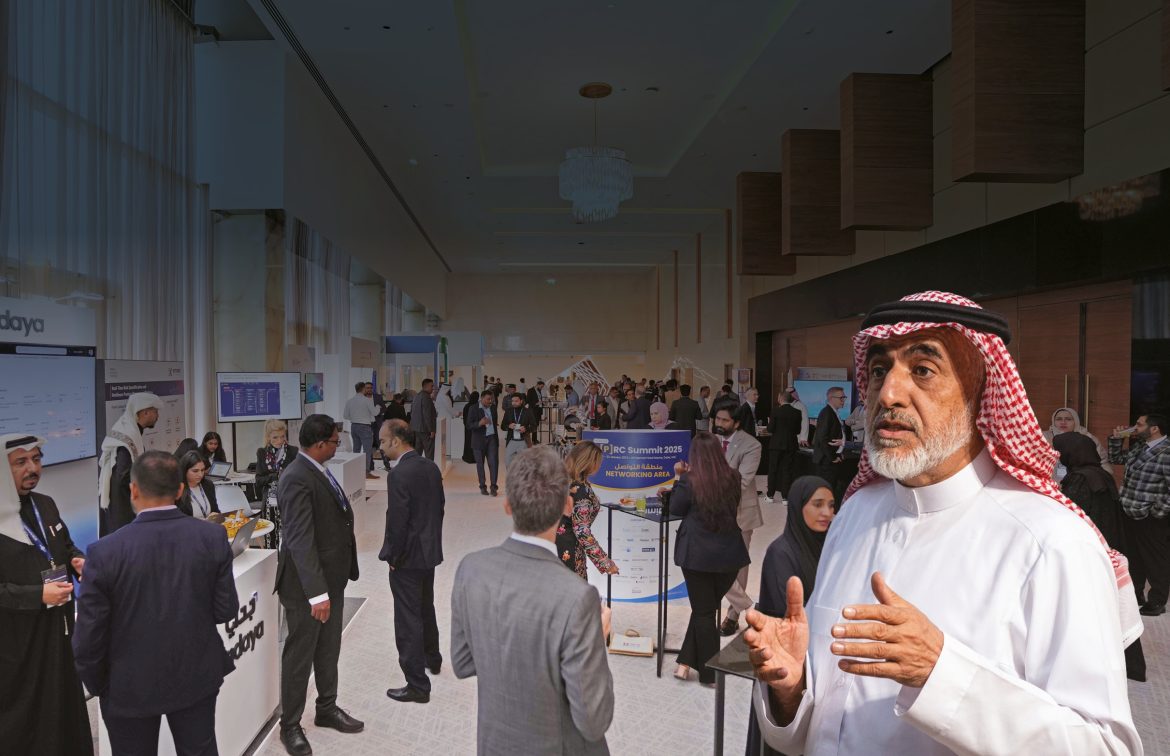
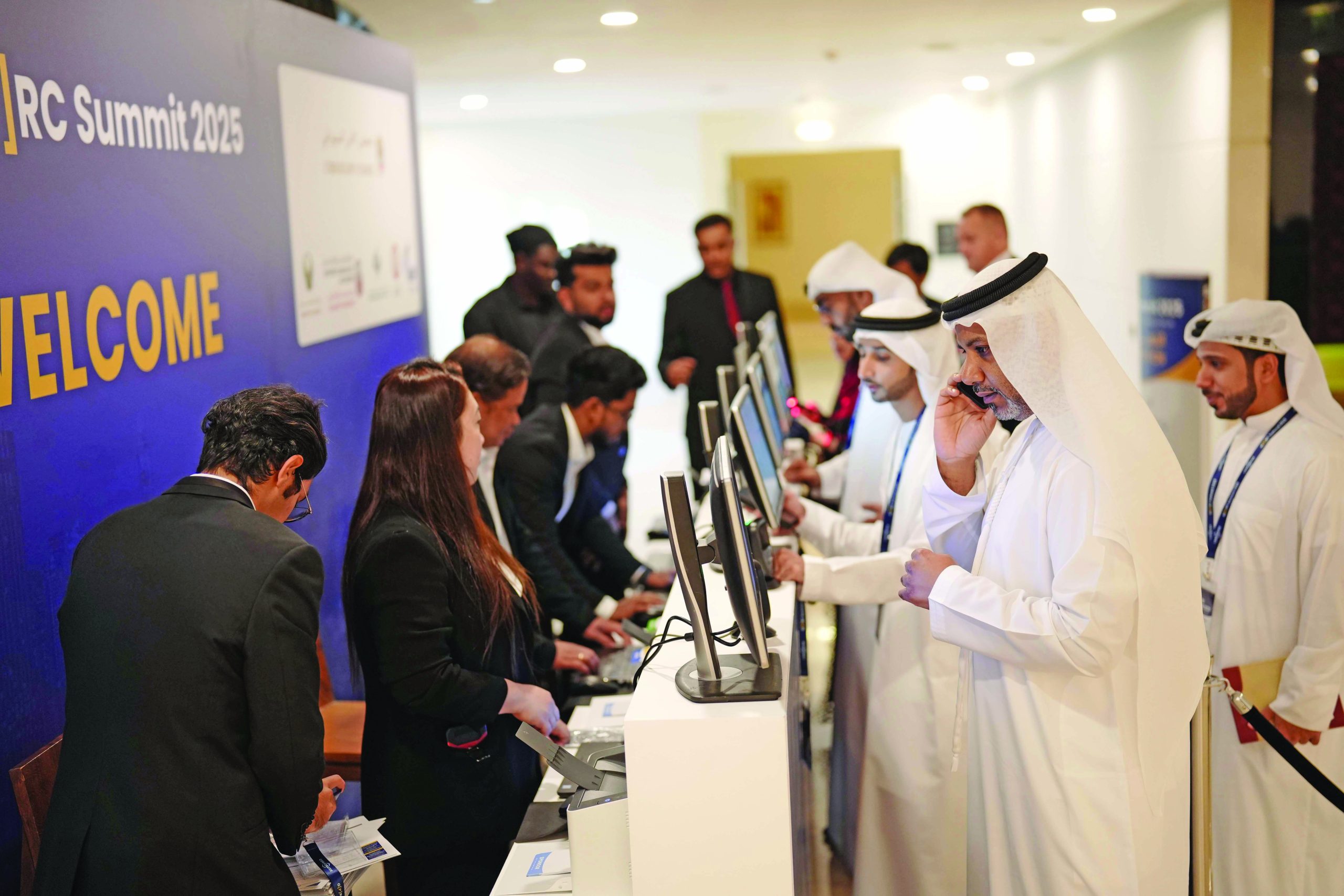
The 4th edition of the G[P]RC Summit 2026 will take place from ٢٥–٢٤ June 2026 in Dubai, United Arab Emirates, bringing together global leaders, policymakers, and governance experts to discuss the evolving role of Governance, Risk, and Compliance integrated with performance and strategy. Organised by Ejtemaat, the summit is recognised as one of the world’s largest gatherings dedicated to the integration of GRC with organisational performance and strategy execution.
To discuss the vision behind the upcoming summit and its relevance for governments, defence institutions, and global organisations, Al Jundi Journal interviewed Dr Fahad Al Twaijry, Director at Ejtemaat and had the following dialogue with him:
What is the strategic vision behind the 4th edition of the G[P]RC Summit 2026 in Dubai, and how does it aim to shape the future of Governance, Risk, and Compliance integrated with organisational performance and strategy?
The vision of the G[P]RC Summit 2026 is to create a global platform where leaders can explore how governance, risk management, and compliance can be integrated with organisational performance and strategic execution. In today’s interconnected world, organisations face complex challenges that require a holistic approach to governance and decision-making.The summit brings together C-suite executives, GRC experts, policymakers, and professionals from industry and academia to share insights, innovative solutions, and best practices that support organisational resilience and long-term success. By fostering dialogue and collaboration, the summit aims to strengthen the integration of governance, risk, and compliance with strategic performance management, enabling organisations to navigate uncertainty and seize new opportunities.
In an era of evolving geopolitical and technological risks, how can integrated GRC frameworks strengthen institutional resilience and strategic decision-making?
Modern organisations operate in a rapidly evolving environment shaped by regulatory complexities, technological disruption, and shifting geopolitical dynamics. Integrated GRC frameworks help institutions address these challenges by ensuring that governance, risk management, compliance, and performance management are aligned with strategic objectives. When these elements function together, organisations can make more informed and timely decisions. Integrated frameworks allow leaders to identify risks early, manage regulatory requirements effectively, and align operational processes with strategic goals. This connected approach strengthens resilience and enables institutions—whether in government, defence, or the private sector—to respond proactively to emerging risks and opportunities.
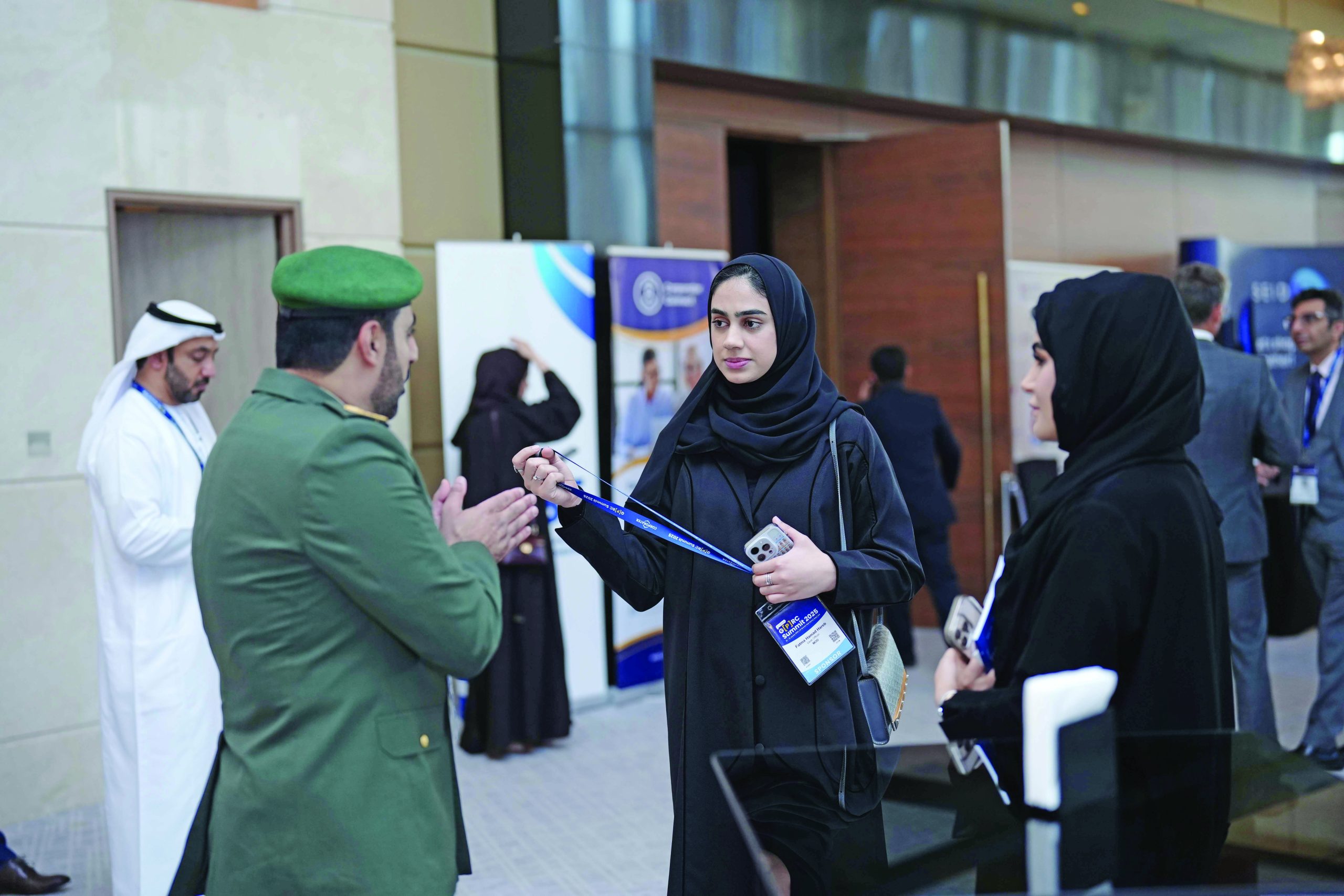
The 2026 summit theme is “Driving Success: Integrating GRC with Strategy Execution in a Hyperconnected World.” What key challenges and opportunities does this theme address for organisations today?
The theme reflects the reality that organisations are increasingly operating in a hyperconnected world where decisions, risks, and opportunities are closely interlinked. Traditional approaches to governance and compliance are no longer sufficient in such an environment. Today’s organisations must evolve into what we call “connected enterprises,” where people, processes, and data are aligned through integrated systems and strategies. By aligning GRC with strategy execution, organisations can ensure that governance frameworks actively support business objectives rather than functioning as separate compliance processes. The summit will explore how this integration enables organisations to improve agility, leverage data-driven insights, and strengthen their capacity to manage complexity in a digital and interconnected environment.
How does hosting the summit in Dubai contribute to advancing governance excellence and risk management maturity in the Gulf region and the wider Middle East?
Hosting the summit in Dubai reflects the region’s growing role as a global hub for innovation, governance excellence, and strategic leadership. Across the Gulf Cooperation Council (GCC) region, organisations are increasingly embedding sustainability, accountability, and compliance into their core strategies. In the UAE in particular, there is a strong emphasis on forward-looking governance frameworks that support sustainable economic growth and organisational transparency. By bringing global experts and regional leaders together in Dubai, the summit provides an opportunity to exchange knowledge, share best practices, and strengthen governance maturity across the region.
With emerging technologies such as artificial intelligence transforming organisations, what new governance and risk considerations will be explored during the summit?
Emerging technologies such as artificial intelligence and advanced digital platforms are transforming how organisations operate. While these technologies offer enormous opportunities for innovation and efficiency, they also introduce new governance and risk challenges. The summit will explore how organisations can establish governance frameworks that ensure responsible and secure technology adoption. Discussions will focus on topics such as digital transformation, cybersecurity, data governance, and regulatory compliance in the digital era. By addressing these issues, the summit aims to help organisations develop strategies that maximise technological benefits while effectively managing associated risks.
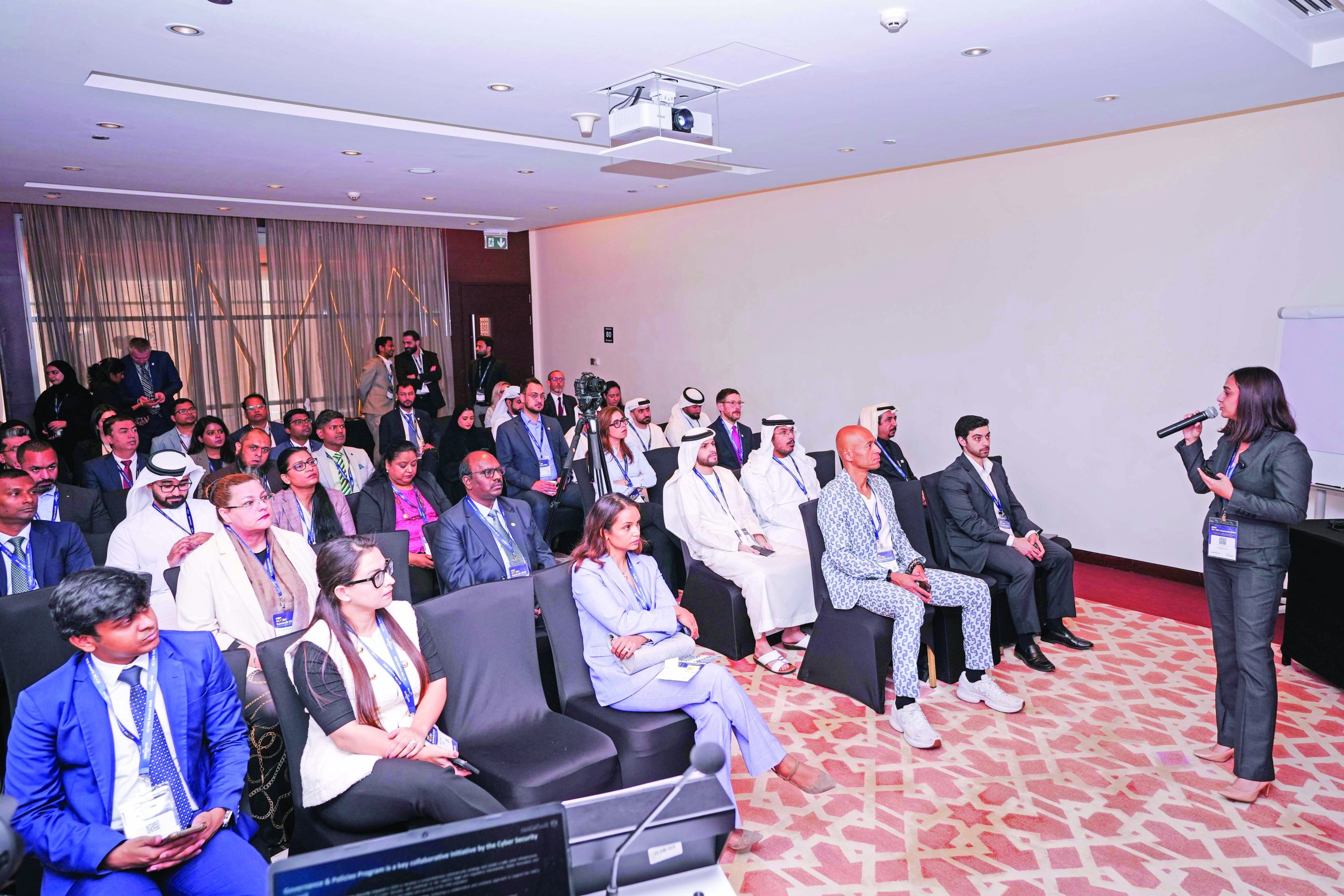
The summit brings together leaders from both the public and private sectors. How important is cross-sector collaboration in strengthening governance frameworks?
Cross-sector collaboration is essential in today’s interconnected environment. Many of the challenges organisations face, such as regulatory compliance, cybersecurity threats, and sustainability goals, cannot be addressed in isolation. The summit serves as a platform where leaders from government, industry, and academia can exchange perspectives and collaborate on practical solutions. Through keynote presentations, panel discussions, and networking sessions, participants can learn from each other’s experiences and identify innovative approaches to governance and risk management. Such collaboration helps create stronger governance ecosystems and encourages the development of shared standards and best practices across sectors.
What practical insights or outcomes do you expect participants to gain from the summit?
Participants can expect to gain a comprehensive understanding of the latest trends, methodologies, and tools shaping the future of Governance, Risk, and Compliance. The summit programme includes keynote presentations and panel discussions that focus on governance best practices, performance optimisation, risk mitigation strategies, and regulatory compliance. Attendees will also have the opportunity to explore innovative approaches to enterprise management, including the concept of connected enterprises and integrated GRC frameworks. These insights will help organisations enhance strategic alignment, strengthen decision-making, and improve overall organisational performance.
Looking beyond the 2026 edition, how do you envision the long-term impact of the G[P]RC Summit as a global platform for governance innovation?
The long-term vision of the summit is to establish a global community of leaders committed to advancing governance excellence and organisational resilience. As organisations continue to face new risks and opportunities, the importance of integrating governance, risk management, compliance, and performance will only grow. The summit aims to remain a leading platform where thought leaders can exchange ideas, explore emerging trends, and shape the future of enterprise governance. By fostering collaboration and knowledge sharing, the G[P]RC Summit will continue to contribute to stronger, more resilient organisations worldwide.

Interviewed by: ALJUNDI