


The design of fighter aircraft tails has undergone a steady and far-reaching evolution across successive generations. Initially conceived as simple fins intended primarily to maintain straight and level flight, aircraft tails have gradually developed into multi-axis control surfaces. In modern combat aircraft, tail assemblies differ fundamentally from the rudimentary fins of early fighters, having become sophisticated aerodynamic tools that play a decisive role in enhancing manoeuvrability, flight control, and even reducing detectability.
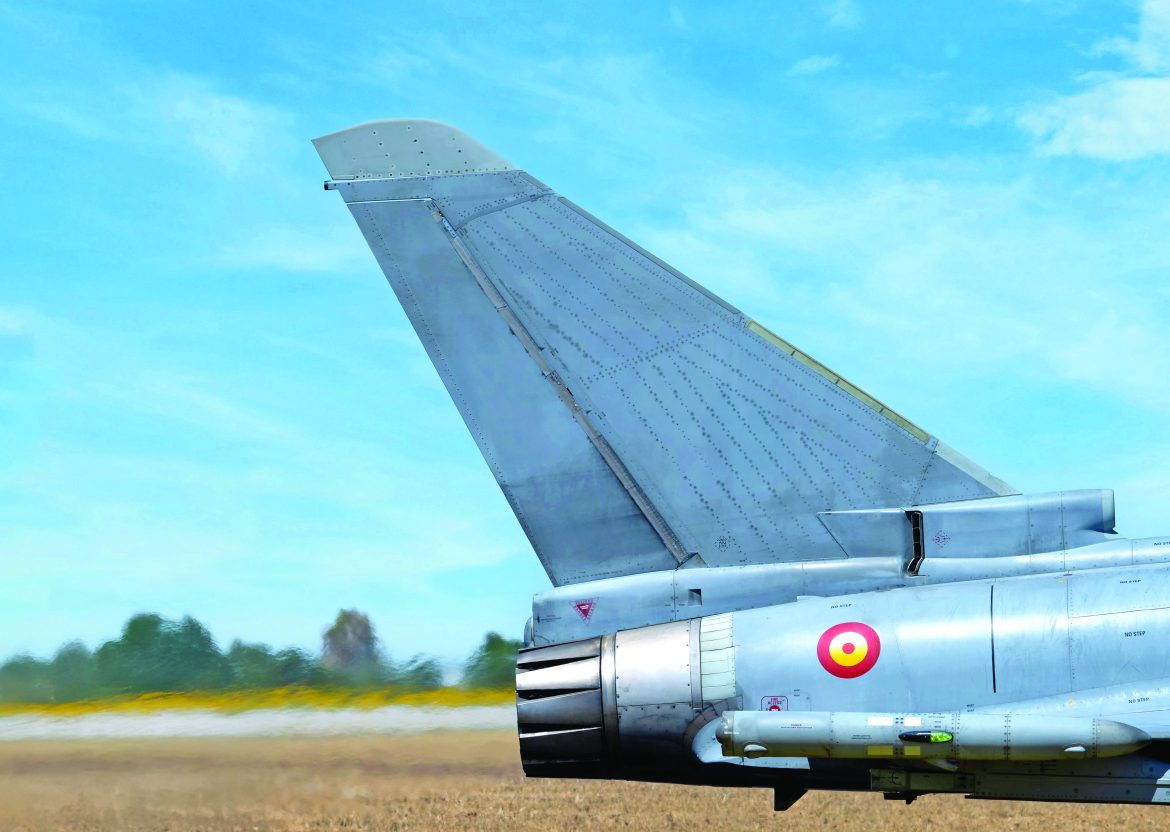
The conventional aircraft tail, commonly referred to as the empennage, consists of two primary fixed components: the horizontal stabiliser and the vertical stabiliser. Together, they provide stability and ensure controlled flight along a straight path. The vertical stabiliser prevents yaw, or side-to-side oscillation of the nose, while the horizontal stabiliser counteracts pitch, controlling upward and downward motion.
Attached to these stabilisers are smaller movable surfaces. The movable section of the vertical stabiliser, known as the rudder, enables left and right yaw control, while the movable section of the horizontal stabiliser, the elevator, governs pitch control. With the exception of flying-wing designs—such as the stealth bomber B-2 Spirit—most aircraft incorporate a vertical stabiliser as a fundamental element of flight stability.
For roughly the first half-century of aviation history, tail design focused almost exclusively on stability. Larger tails generally translated into greater stability, a principle that persisted until the early jet age. Propeller-driven fighters such as the P-51 Mustang and the Supermarine Spitfire relied on long, broad tails to counteract propeller torque and airflow disturbances around the fuselage, preventing uncontrollable yaw and roll.
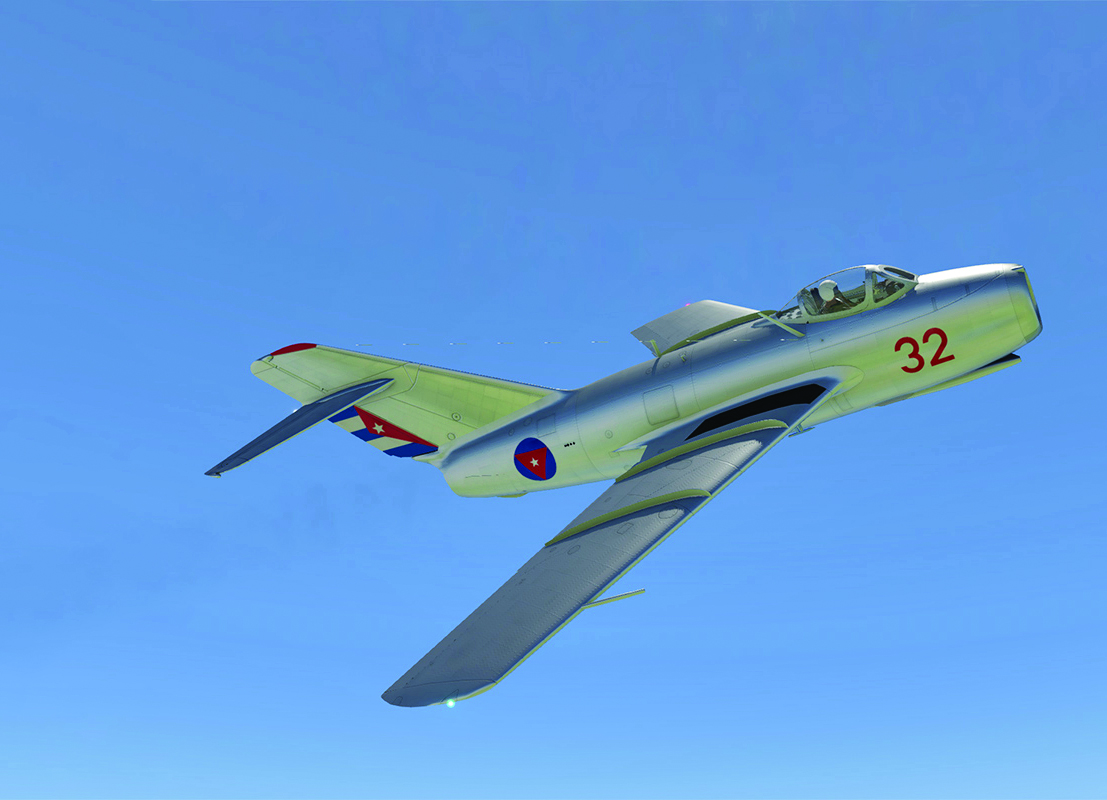
The advent of early jet fighters, including the F-86 Sabre and the MiG-15, prompted notable modifications. Tail structures became lighter, stronger, and more aerodynamically refined to cope with higher speeds. Nevertheless, their primary function remained maintaining directional stability.
As fighter speeds continued to increase, tail designs grew increasingly unconventional. Once aircraft began routinely exceeding the speed of sound, airflow behaviour changed dramatically, reducing the effectiveness of traditional tail configurations. To address this challenge, aircraft such as the F-104 Starfighter and the F-4 Phantom II adopted tall vertical fins with large surface areas capable of maintaining control at high altitude and supersonic speed.
However, the single tall fin introduced practical and operational challenges, particularly in carrier storage and during high-angle-of-attack manoeuvres, where stability could degrade. These limitations led to the emergence of twin-tail configurations, exemplified by the F-14 Tomcat and many later fighters. In this design, the large central fin was divided into two smaller outward-canted fins that shared aerodynamic loads, significantly improving stability, manoeuvrability, and overall performance.
Digital Flight Control and the Redefinition of Stability
The introduction of digital fly-by-wire systems in the 1970s marked a turning point in fighter aircraft design. Advanced flight control computers fundamentally reshaped the concept of aerodynamic stability. Modern fighters no longer rely solely on their tails for inherent stability, as computers continuously apply precise corrections to maintain controlled flight.
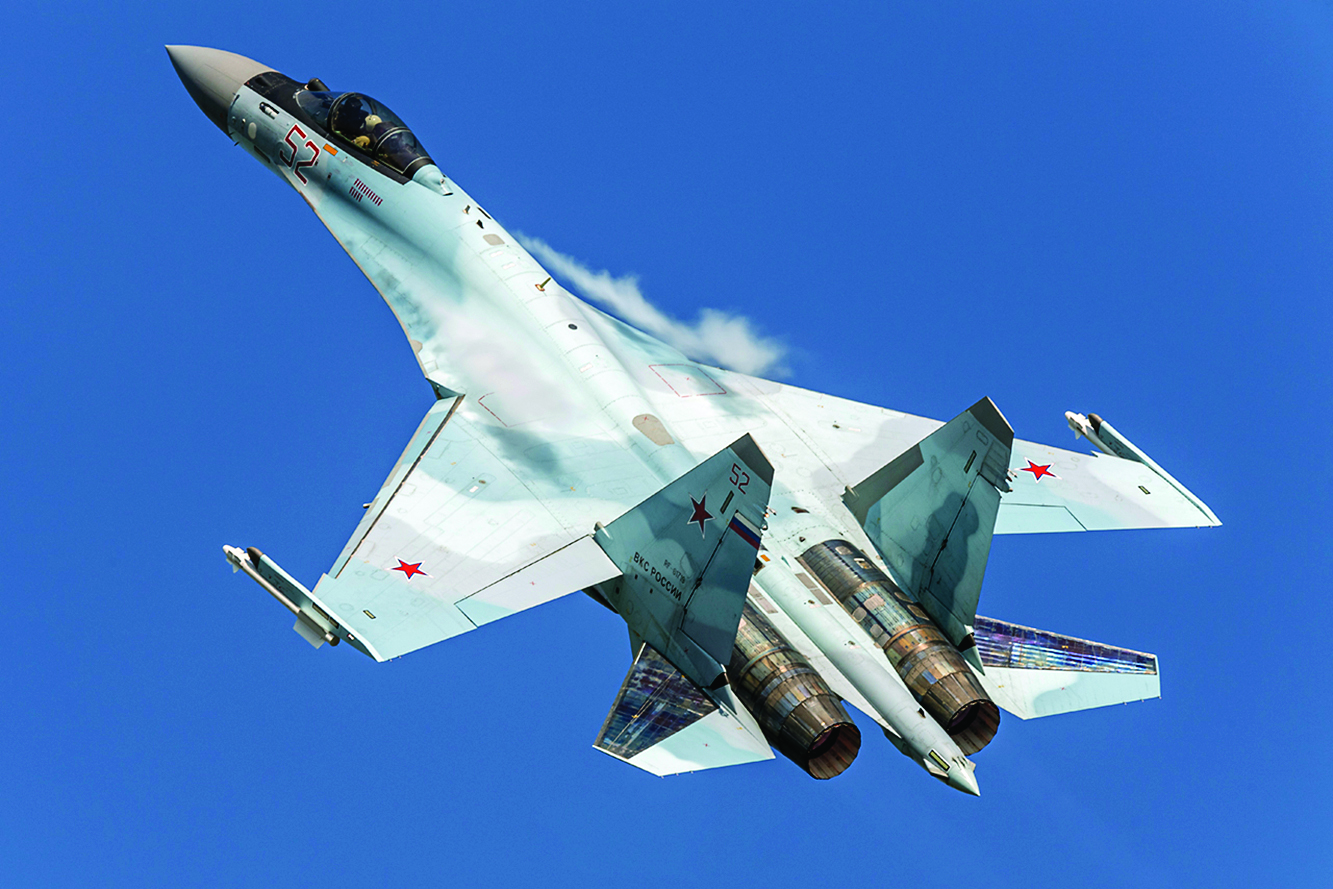
This shift enabled designers to reduce tail size and even accept designs that are aerodynamically unstable by nature. The F-16 Fighting Falcon, a fourth-generation supersonic fighter, exemplifies this approach with its single, relatively small, sharply swept vertical tail. Despite this, twin-tail configurations have remained the preferred solution for aircraft designed for extreme manoeuvrability, such as the F-15 Eagle, F/A-18 Hornet, and Su-27, which continue to rely on dual fins to enhance control at high angles of attack.
The Importance of the Tail in Fighter Aircraft
From the earliest days of aviation, engineers have prioritised aircraft stability, particularly longitudinal stability, which governs motion along the vertical axis. As angle of attack increases during flight, the centre of pressure on the wing shifts forward, causing the nose to pitch upward and potentially leading to an aerodynamic stall.
To prevent this, most fighter aircraft are designed with the centre of gravity positioned ahead of the centre of pressure, creating a natural nose-down pitching moment. The horizontal tail counteracts this tendency, maintaining controlled flight. In this sense, the tail has always been a critical determinant of both stability and control.
The role of the tail is often likened to the feathers of an arrow. Just as an arrow requires fletching to remain stable and strike its target accurately, an aircraft depends on its tail to maintain its intended flight path. This analogy is reflected in the term empennage, derived from the French word empenner, meaning “to feather an arrow.”
An aircraft is constantly subject to opposing forces: lift pulling it upward and weight pulling it downward. Any imbalance between these forces defines the aircraft’s flight envelope. To counteract downward pitch tendencies, a horizontal tail unit is essential, while a vertical tail—or fin—prevents lateral oscillation and uncontrolled yaw.
To enhance controllability, portions of the tail are designed to move, allowing pilots or flight control systems to fine-tune aircraft attitude. When a fighter deviates from straight and level flight—whether pitching, yawing, or rolling—forces generated on the tail surfaces act to restore stability. In modern fighters, both horizontal and vertical tail surfaces are often fully movable, maximising control authority across the flight envelope.
Variations in Fighter Aircraft Tail Configurations
Aircraft structures are generally divided into three main components: the fuselage, which forms the primary body of the aircraft; the wings, responsible for generating lift; and the tail, which ensures directional stability and provides control authority, enabling the aircraft to fly straight and respond accurately to pilot inputs.
The design of these structural components varies according to the aircraft’s intended mission, resulting in a wide range of tail configurations. International studies indicate that more than ten tail designs are currently in use worldwide, the following five of which are considered the most common:
1. The conventional tail design: This remains the most widespread, accounting for approximately 70 per cent of aircraft globally, particularly in commercial aviation. This configuration is valued for its light weight and ease of maintenance, although its relatively large size—sometimes exceeding the length of the fuselage itself—can be a drawback.
2. The T-tail configuration: This design is commonly found on business jets, smaller aircraft, and some tri-jet designs. Its layout allows engines to be mounted on the fuselage, improving aerodynamic efficiency and enhancing stability by keeping the horizontal stabiliser clear of engine exhaust and wing turbulence.
3. The H-tail design: This design was more prevalent among older piston-engine aircraft, especially during World War II. This configuration reduces lateral airflow interference over the wings and enhances stability by positioning control surfaces directly within the propeller slipstream.
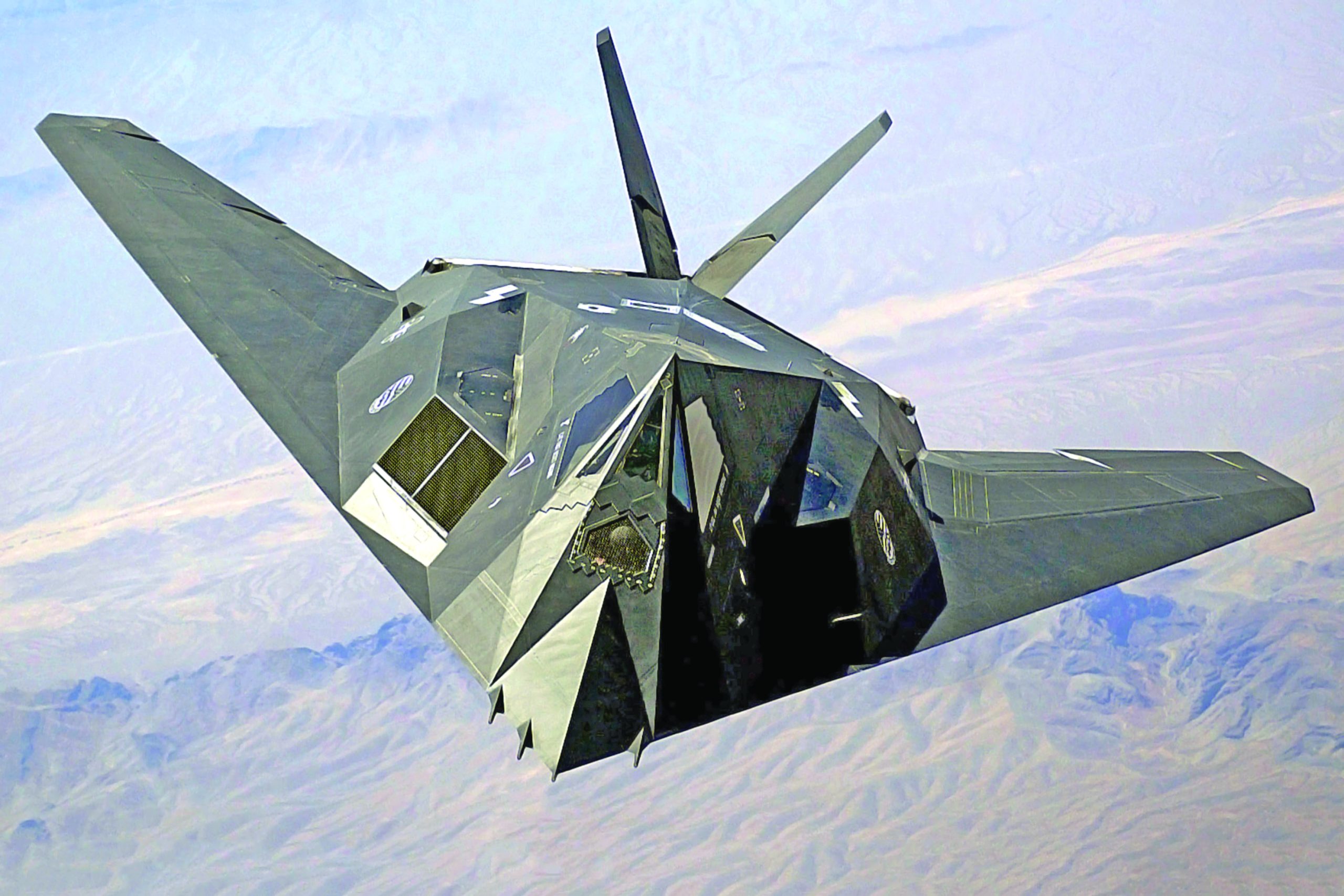
4. The V-tail configuration: Often referred to as the “ruddervator” design, it combines the functions of the rudder and elevator into a single control surface. By reducing the number of components, this design lowers overall weight and drag, making it particularly attractive for light aircraft and unmanned aerial vehicles. Although first introduced in the 1930s, V-tail aircraft remain relatively rare. Notable examples include the Lockheed F-117 Nighthawk and the Fouga Magister, which first flew in 1952 as a French Air Force trainer. Despite its aerodynamic advantages, the V-tail often requires complex control systems and does not always simplify handling.
5. The twin-tail configuration: This configuration is the most common among modern fighter aircraft. These aircraft require large vertical stabilisers to ensure sufficient directional stability, particularly during high-speed and high-angle-of-attack manoeuvres. Dividing the stabilising surface into two smaller fins reduces radar cross-section, a key advantage for stealth, and lowers overall aircraft height—an important consideration for carrier-based operations.
Since the Second World War, twin tails have been increasingly adopted to improve control at high speeds, especially as fighters began using high-performance engines capable of pushing aircraft to the limits of controllability. The additional stabilising surfaces provide greater control authority and maintain stability at extreme velocities.
Single Tail versus Twin Tail: Mission-Driven Design Choices
The prevalence of twin tails does not imply that single-tail designs are inherently inferior. Many advanced fighters continue to rely on a single vertical stabiliser. A comparison between the F-15 Eagle and the F-16 Fighting Falcon illustrates this distinction. Both aircraft feature advanced aerodynamics and high-performance capabilities, yet the F-15 employs a twin-tail configuration, while the F-16 uses a single tail. This divergence largely reflects differing operational requirements. The F-15 was designed to reach speeds of approximately Mach 2.5 and operate at very high altitudes, conditions that benefit from the added stability provided by twin vertical fins. The F-16, by contrast, has a top speed of around Mach 2 and is optimised for lower-altitude operations, emphasising high-energy manoeuvrability and efficiency, where a single tail is sufficient. Naval fighters, such as the F-35 Lightning II and the F/A-18 Super Hornet, also favour twin-tail designs. Operating over open water with limited emergency landing options, these aircraft benefit from redundancy: if one tail is damaged, the other can maintain sufficient control for safe recovery. Ultimately, the choice between a single large vertical stabiliser and two smaller fins depends on mission profiles, performance requirements, and operational environments.
Stealth Aircraft and the Transformation of Tail Design
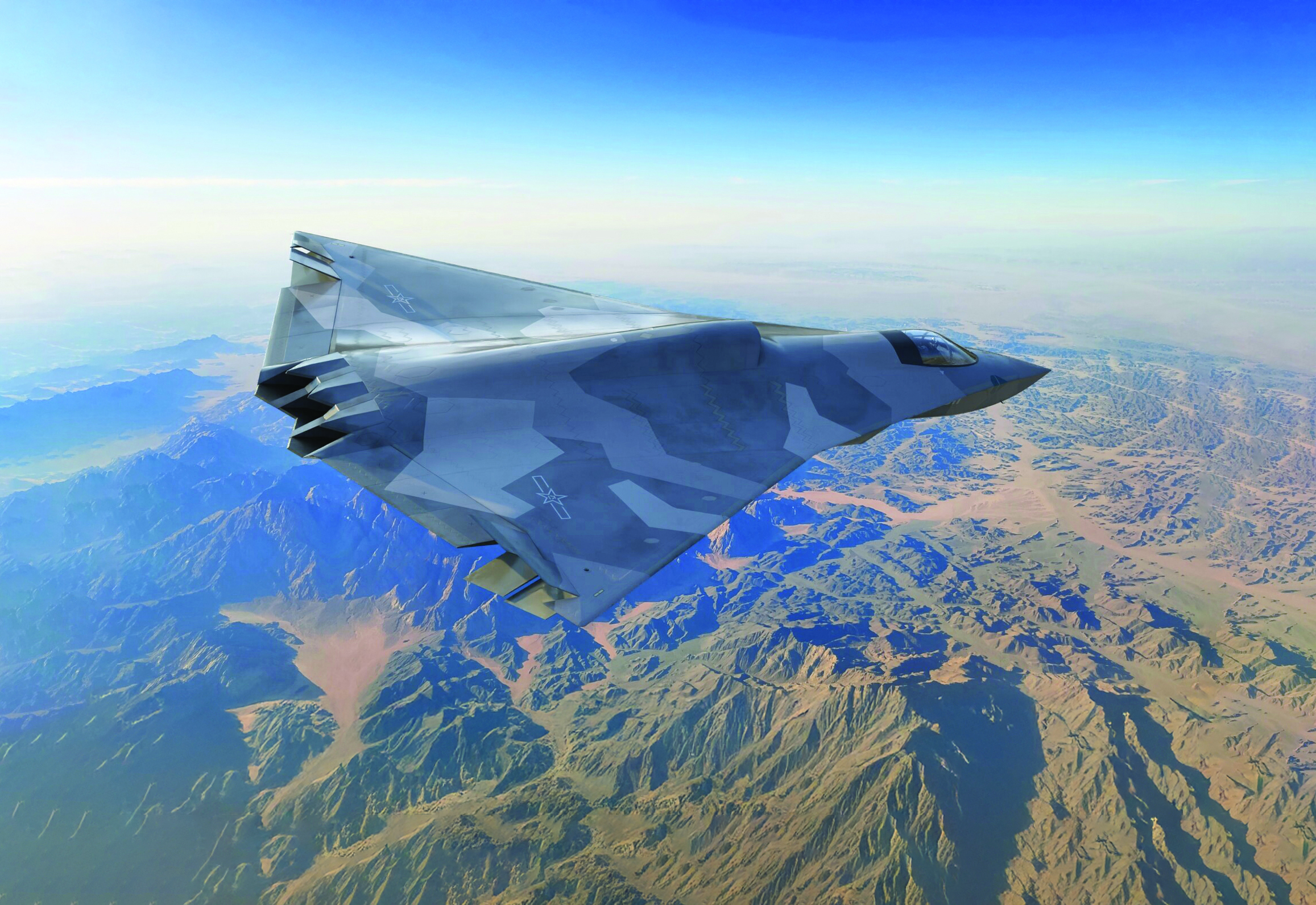
Stealth aircraft have introduced profound changes in tail design. As radar signature reduction became a central priority, fifth-generation fighters adopted fully movable, radar-deflecting tail surfaces capable of functioning as rudders or airbrakes depending on flight conditions. Amid ongoing global competition to develop sixth-generation fighters, China has reportedly conducted flight tests of its J-36 and J-50 prototypes, while the United States has selected Boeing to develop its future sixth-generation fighter, designated the F-47. Although these aircraft share the stealth-focused philosophy of fifth-generation platforms—such as the F-35 Lightning II, F-22 Raptor, China’s J-20, and Russia’s Su-57—the next generation is expected to feature significant advances in airframe design, encompassing the fuselage, wings, tail, and landing gear. Western assessments suggest that one of the defining characteristics of sixth-generation fighters may be the reduction or complete elimination of the vertical tail and its associated control surfaces. While vertical tails in fifth-generation fighters provide directional stability and enhance manoeuvrability, future designs may achieve comparable control through thrust vectoring and advanced manipulation of engine exhaust flows.
Some sixth-generation concepts aim to partially replace the role of vertical tails with fluidic actuators, systems that control airflow using jets of air rather than mechanical surfaces. Reports indicate that removing the vertical tail could substantially enhance stealth characteristics by minimising radar reflections.
Balancing Stealth and Flight Dynamics
The evolution of stealth fighter design reflects a delicate balance between aerodynamic performance and radar signature reduction. Vertical tails present a particular challenge from a radar cross-section perspective, prompting designers to explore configurations that eliminate or significantly reduce these surfaces. However, removing vertical stabilisers entails substantial trade-offs in stability and control across different phases of flight.
To address this dilemma, some studies propose the integration of foldable or retractable vertical tails, allowing aircraft to benefit from stabilising surfaces during critical phases such as take-off, landing, and high-intensity manoeuvring, while minimising radar exposure during cruise or combat operations.
The concept of foldable vertical tails is not new. Early examples include the Boeing B-50 Superfortress bomber, whose vertical stabiliser could be folded at its base. Similarly, several carrier-based aircraft have employed foldable fins and fully movable vertical tails, such as the North American A-5 Vigilante.
The Evolution of Tailless Fighter Aircraft
Tailless fighter aircraft represent a fundamental reimagining of how combat aircraft fly. The concept has captured the attention of aerospace engineers for nearly a century, yet early attempts consistently failed to deliver acceptable stability and control. Only with the maturation of aerodynamic theory, digital flight control, and advanced materials have designers been able to demonstrate that modern fighters can, under specific conditions, dispense with traditional tail structures altogether.
Western studies suggest that tailless configurations could trigger a profound shift in the future of aviation and air warfare. These aircraft are designed to be lighter, more aerodynamically efficient, and potentially more stable, despite the absence of horizontal control surfaces. However, this efficiency comes at the cost of increased operational and design complexity.
Tailless fighters are characterised by a fixed-wing configuration with no horizontal tail or forward canard surfaces. Instead, the functions of longitudinal stability, control, and lift are all integrated into the main wing. A critical determinant of stability in such aircraft is the relationship between the centre of gravity and the centre of pressure. Typically, the centre of gravity is positioned ahead of the centre of pressure, preventing undesirable nose-up pitching and ensuring that the aircraft maintains a level or slightly nose-down attitude, allowing it to settle into stable flight.
This stability is achieved through several aerodynamic techniques, including sweeping the wing’s leading edge rearwards or reducing the angle of incidence at the outer sections of the wing. In level flight, the aircraft is trimmed so that the wingtips contribute little or no lift and may even generate a slight downward force, effectively replicating the stabilising role traditionally performed by a tailplane. While this approach reduces overall wing efficiency, it compensates by lowering aerodynamic drag, structural weight, and cost compared to conventional tail-equipped designs.
Historical Roots of Tailless Aircraft Design
The concept of tailless aircraft dates back to the early twentieth century. British designer J.W. Dunne pioneered some of the earliest practical attempts with his D.5 and D.8 aircraft, which featured swept wings and a pronounced upward taper designed to achieve inherent stability. This configuration resulted in increased wing twist towards the tips, improving control without the need for a tail.
Three decades later, the Horten brothers in Germany advanced the concept with the development of the Horten Ho 229, a tailless flying-wing aircraft notable for its low aerodynamic drag. These efforts laid the conceptual and technical foundations for later stealth aircraft, most notably the American B-2 Spirit bomber.
In the United States, Jack Northrop played a pivotal role in advancing tailless aircraft design. His early prototypes, such as the N-1M, failed to meet operational requirements but nonetheless demonstrated the feasibility of tailless configurations. Western assessments indicate that these early experiments paved the way for contemporary designs, which now benefit from digital control systems capable of overcoming the limitations that once plagued tailless aircraft.
Sixth-Generation Fighters and the Return of the Tailless Concept
In this context, China revealed in November 2025 that it had conducted flight tests of its sixth-generation fighter, the J-36, featuring a tailless aerodynamic design. This disclosure came less than a year after China announced the start of the programme, highlighting the pace of development in next-generation air combat systems. According to available reports, the J-36 is equipped with advanced avionics and modern electronic warfare systems, as well as a dedicated control unit for managing swarms of unmanned aerial vehicles. The aircraft is reported to have a combat radius exceeding 4,000 kilometres and a maximum speed of more than Mach 3, underscoring its intended role as a long-range, high-speed air dominance platform.
Conclusion
Despite their reliance on intelligent control surfaces to maintain stability and enhance manoeuvrability without the need for a conventional tail—while simultaneously reducing aerodynamic drag, improving fuel efficiency, and strengthening stealth characteristics—tailless aircraft continue to face notable challenges. These include a high sensitivity to weight distribution and a strong dependence on advanced flight control systems. Moreover, the swept and twisted wings employed to achieve stability tend to increase aerodynamic drag at low speeds, necessitating higher take-off and landing speeds.
By: Adnan Moussa
(Assistant Lecturer, Faculty of Economics and Political Science – Cairo University)