



The modern battlefield is undergoing a fundamental transformation driven by the rapid proliferation of unmanned combat platforms, particularly drones. This transformation extends beyond technological advancement to encompass deep organisational and conceptual challenges related to command structures and military doctrine. It raises a central question for contemporary armed forces: do unmanned systems warrant the creation of independent capabilities and organisational structures, or is it more effective to integrate them within traditional service branches?

The importance of this debate lies in its strong resemblance to historical transformations experienced by militaries following the introduction of disruptive capabilities such as tanks and combat aviation. In those cases, success depended not only on technological superiority but also on the ability to adapt doctrine, leadership, and organisational models. Revisiting these historical experiences offers valuable practical lessons that can help avoid past missteps and achieve a balanced approach between institutional integration and tactical innovation.
Managing the Transition to Drone Warfare
A successful shift towards drone warfare requires a gradual, clearly sequenced approach. It should begin with field experimentation conducted by small, agile pilot units operating under flexible command arrangements. This phase enables armed forces to test concepts in real operational environments and extract practical lessons. These lessons must then inform the development of doctrines and tactics, which are subsequently institutionalised into scalable and standardised frameworks.
Such a process demands a leadership system characterised by adaptability, supported by rapid and effective testing mechanisms capable of capturing lessons learned and integrating them into existing operational systems. Premature adoption of new technologies without sufficient testing or the confinement of experimentation within rigid bureaucratic structures both undermine effectiveness and hinder development. The success of any transformational model, therefore, depends on maintaining a balance between freedom of experimentation and the institutional controls necessary to ensure coherence and integration across combat arms.
Lessons from History: The Aviation Experience
Close air support represents a clear example of the critical importance of integration within the operational theatre. These missions require precise coordination between air forces and supported ground units due to the proximity of targets to friendly forces. This reality necessitates synchronised timing, immediate communication, and a shared understanding of the battlespace. Any disruption in coordination or lack of a common operational language can result in serious errors or delayed strikes.
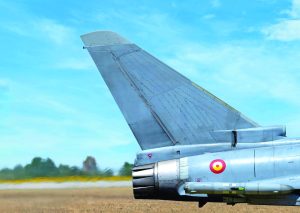
Historical experience, particularly during the Korean and Vietnam wars, revealed significant coordination gaps following the organisational separation between air and ground forces after the establishment of an independent U.S. Air Force in 1947. While independence allowed air power to develop strategic missions more freely, it also weakened the effectiveness of tactical close air support. The separation led to fragmented command channels, slower response times, and difficulties in timely and accurate target acquisition.
These shortcomings were later addressed through comprehensive reforms, including the introduction of Air Liaison Officers, the establishment of Joint Terminal Attack Controller (JTAC) units, enhanced joint training through combined arms exercises, and the development of flexible planning procedures that enabled real-time coordination with ground forces. The experience demonstrated that excessive independence can undermine joint effectiveness, just as excessive integration can constrain innovation, confirming that balance is the most effective approach.
Lessons from History: The Armoured Warfare Experience
The emergence of tanks in the early twentieth century posed a similar organisational dilemma. In the aftermath of the First World War, many armies treated tanks primarily as infantry support assets, without developing independent doctrines that reflected their unique capabilities in manoeuvre, shock, and speed. This approach constrained tactical development and limited the potential of armoured forces.
By contrast, militaries that granted armoured units greater freedom to experiment and develop independent organisational structures achieved far greater innovation. The German interwar experience, particularly through the concept of Blitzkrieg, demonstrated the effectiveness of independently organised armoured formations integrated with infantry, artillery, and air power under flexible command and robust communications.
In the United States, early integration of tanks within infantry formations delayed doctrinal development until the establishment of the Armoured Force in 1940. This decision marked a genuine turning point, with its impact becoming evident during later stages of the Second World War, especially in the North African theatre. The key lesson was that integrating new capabilities into traditional structures without allowing space for experimentation restricts doctrinal and tactical evolution—a lesson directly applicable to the current incorporation of drones into modern operations.

A Contemporary Case Study: The War in Ukraine
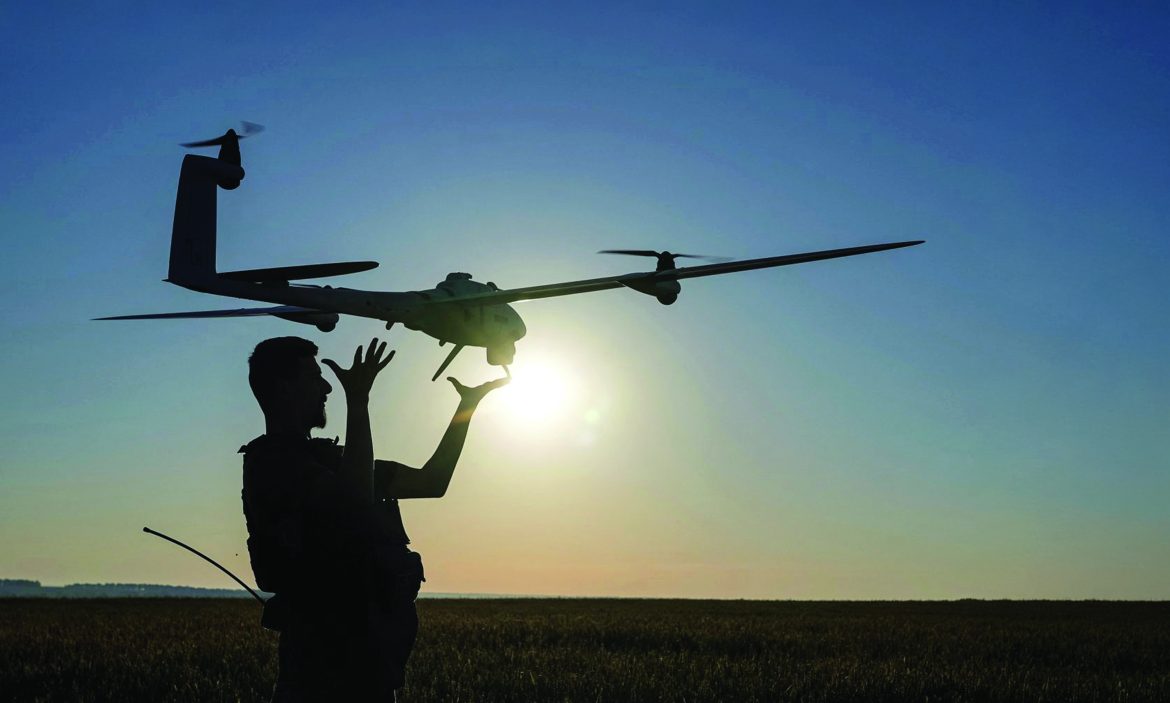
The war in Ukraine provides a contemporary example of drone warfare in a high-intensity combat environment. Ukrainian forces established specialised drone formations at the level of platoons and field units, while developing innovative tactics that included precision strikes against Russian military infrastructure and the use of communications resistant to electronic jamming, such as fibre-optic control systems.
This experience demonstrated a high level of integration between manned and unmanned platforms, as well as the adoption of the principle of “in-contact transformation, whereby tactics and operational concepts evolve rapidly in response to battlefield conditions. Unlike historically rigid bureaucratic models, this approach enabled exceptional flexibility and accelerated learning.
Despite limited resources, Ukrainian forces succeeded in building highly effective operational capabilities, highlighting the importance of structured field experimentation linked directly to operational command structures. In this model, drones became an integral component of combined arms operations rather than merely auxiliary tools.
Key Challenges in the Transition to Drone Warfare
Determining the optimal organisational structure for drone forces remains one of the most pressing challenges for modern militaries. A practical solution lies in adopting initial experimental formations that can evolve based on field-testing outcomes, without prematurely committing to rigid organisational models. Decisions regarding independence or integration must be based on a comprehensive assessment of doctrine, command and control arrangements, training requirements, logistics, and cyber security.
At the doctrinal level, armed forces must determine whether drones require entirely new employment concepts or can be incorporated within existing frameworks. Organisationally, clear command lines and defined authorities are essential to prevent duplication and friction between tactical and strategic levels. In training, fast and sustainable qualification pathways must be established for operators, planners, and technical personnel alike.
Technical and logistical support represents another critical challenge. Effective drone operations require forward maintenance capabilities, mobile repair units, and flexible supply chains that minimise downtime and ensure continuity of support across diverse operational environments.
Integration with other combat arms is equally vital. Drones cannot achieve their full potential without effective coordination with manoeuvre, fires, engineering, and communications units through unified procedures and secure communication channels. The Ukrainian experience demonstrated the vulnerability of relying on a single wireless link, underscoring the need for layered communications architectures. These should include jam-resistant primary links, low-latency mesh networks with self-healing properties, long-range satellite communications (SATCOM), automatic failover mechanisms, strong encryption, and data-priority protocols. Training forward control elements, securing launch sites, and maintaining ground infrastructure are also essential to sustaining operations.
Financial sustainability constitutes an additional challenge. Rapid technological evolution requires flexible funding models capable of adapting to lessons learned from the field. Equally important are objective evaluation mechanisms based on measurable performance indicators, defined experimentation timelines, and clear criteria for expansion or restructuring. Continuous assessment ensures that decisions are grounded in evidence rather than assumptions and prevents investment in short-lived trends or ineffective capabilities.
Conclusion
The transition to drone warfare is not simply the introduction of a new system into the battlespace; it is a comprehensive strategic process that demands a careful balance between operational flexibility and institutional discipline. Historical experience shows that transformative capabilities, such as aviation and armoured forces, only achieve their full effectiveness when given time for experimentation and supported by dedicated doctrinal development before full integration.
Similarly, drones require a structured experimental environment that allows for tactical innovation and the development of operational concepts, while maintaining strong mechanisms to ensure integration within a combined and joint arms framework. Success is achieved when drones are transformed from supplementary tools into standardised operational capabilities subject to continuous evaluation and measurement.
Maintaining the balance between freedom of innovation and organisational discipline is essential for armed forces seeking to remain at the forefront of future military transformation. Drones are no longer merely support assets; they have become a defining feature of a new era of intelligent, multi-dimensional warfare.
By: Major General (Ret.) Khaled Ali Al-Sumaiti