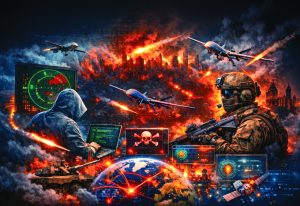

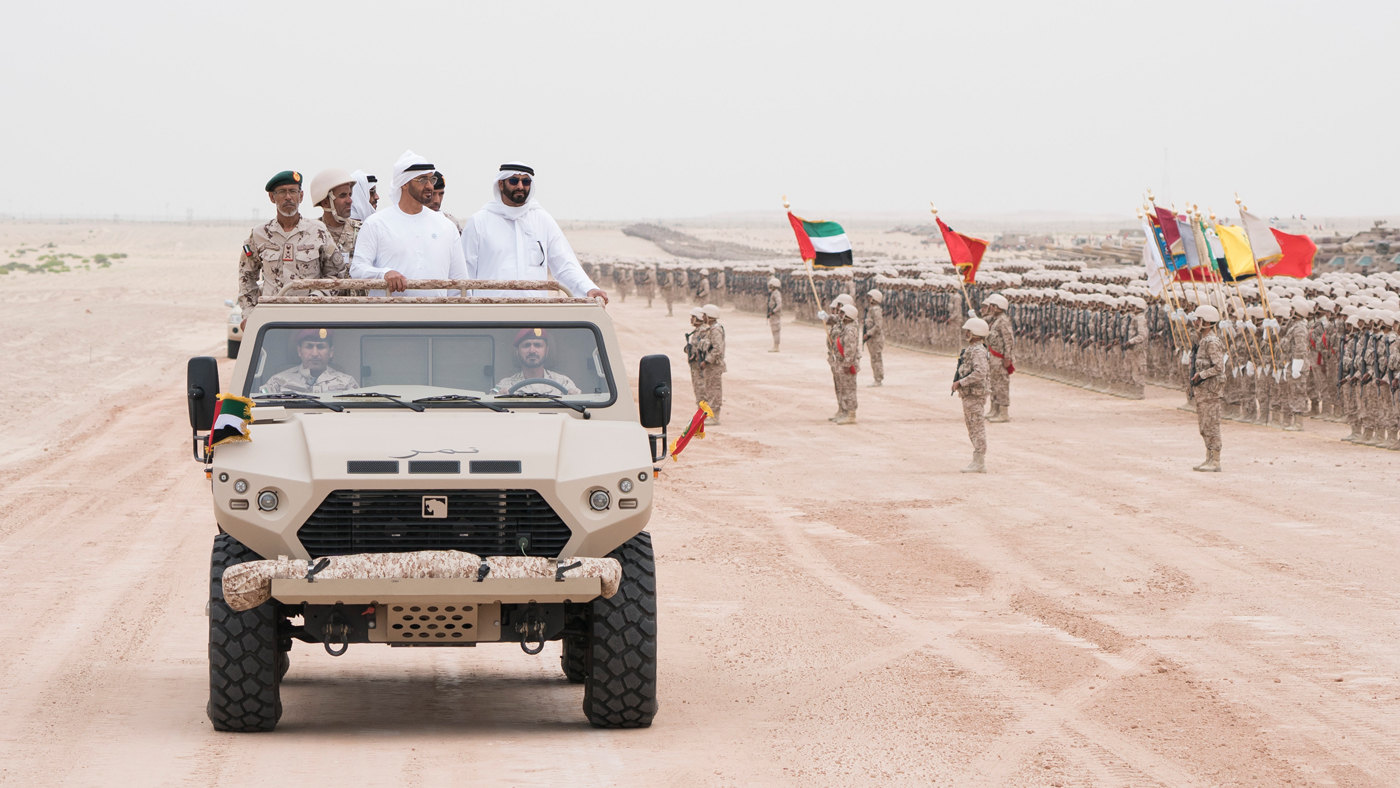

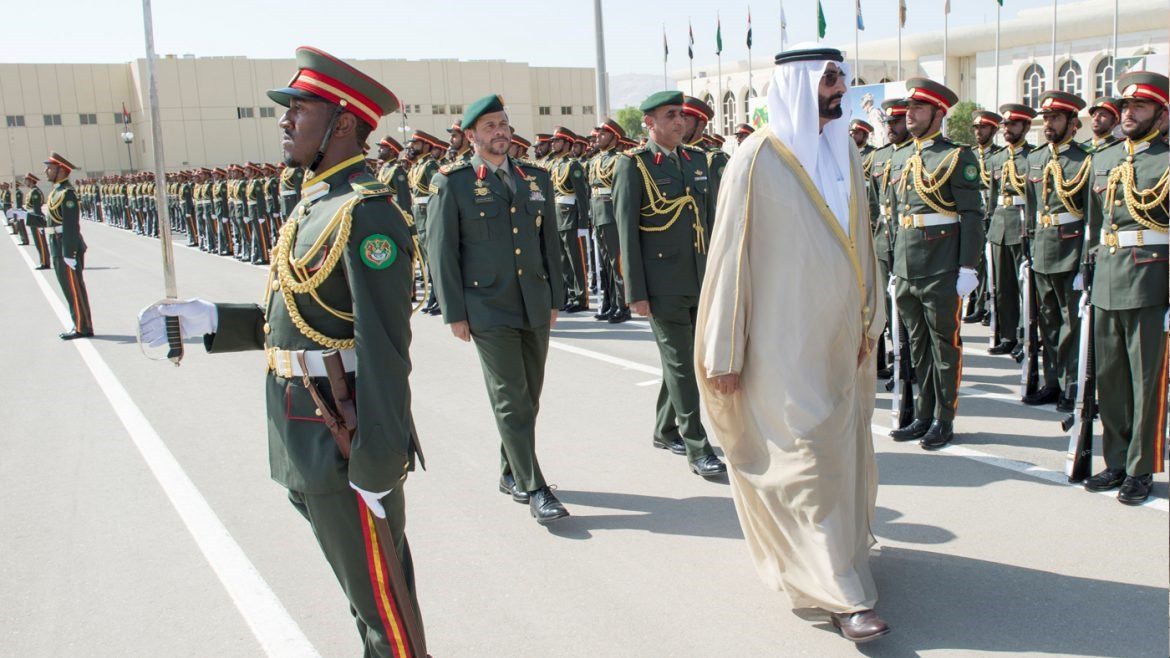

The global military establishment is undergoing an unprecedented transformation in its modern history. Contemporary warfare has moved beyond traditional paradigms into a complex operational environment defined by speed, multidirectionality, and pervasive uncertainty. Military operations are now conducted simultaneously across land, sea, air, space, and cyberspace, often under conditions of information overload, ambiguity, and overlapping threats.
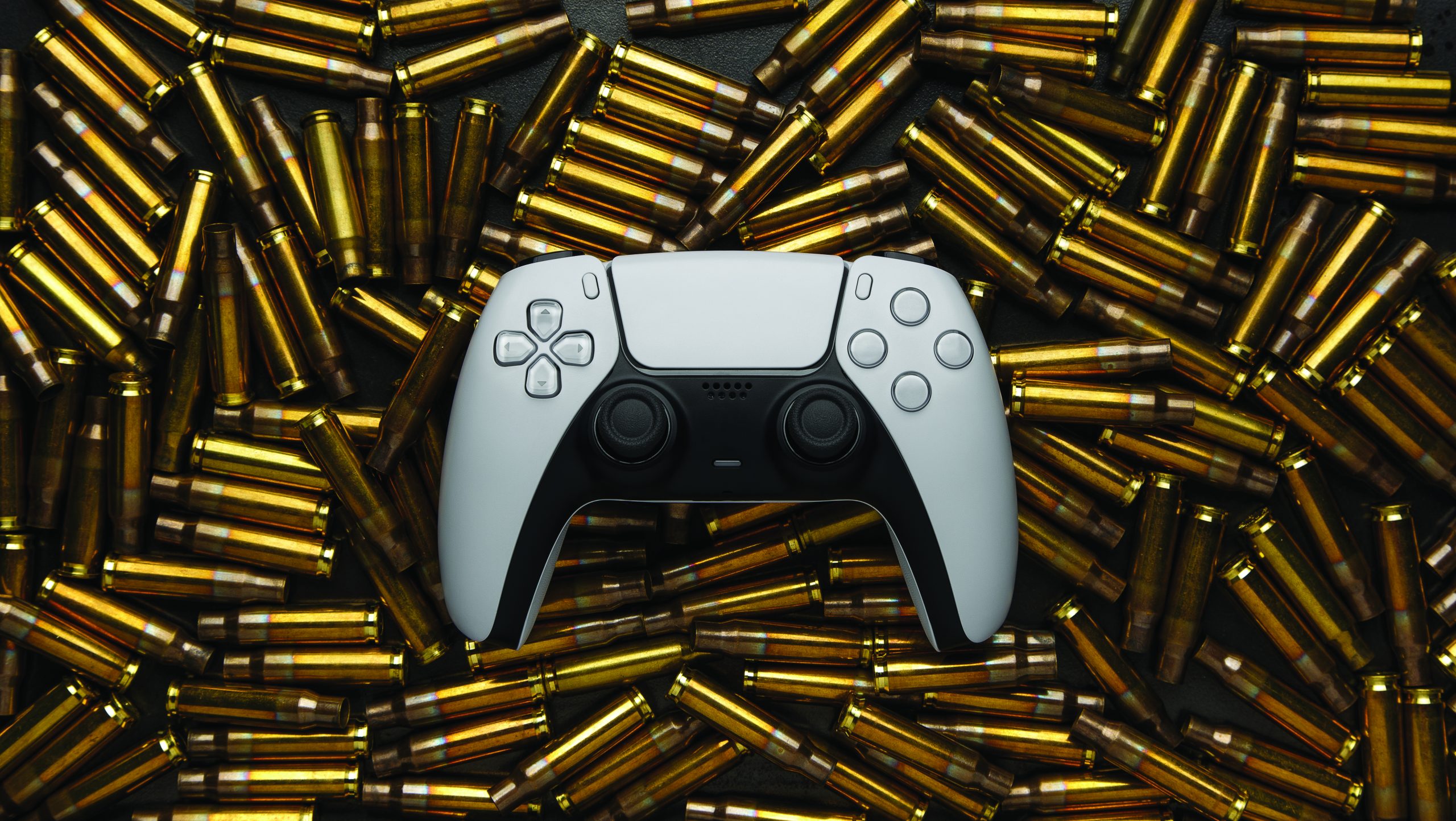
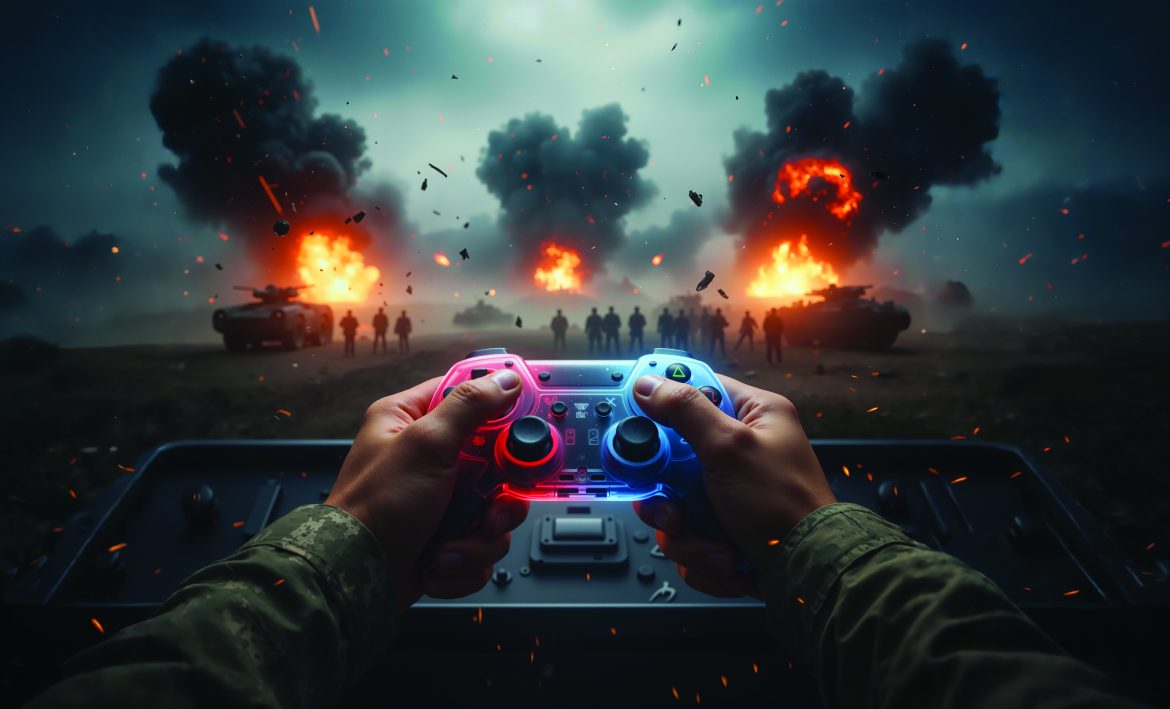
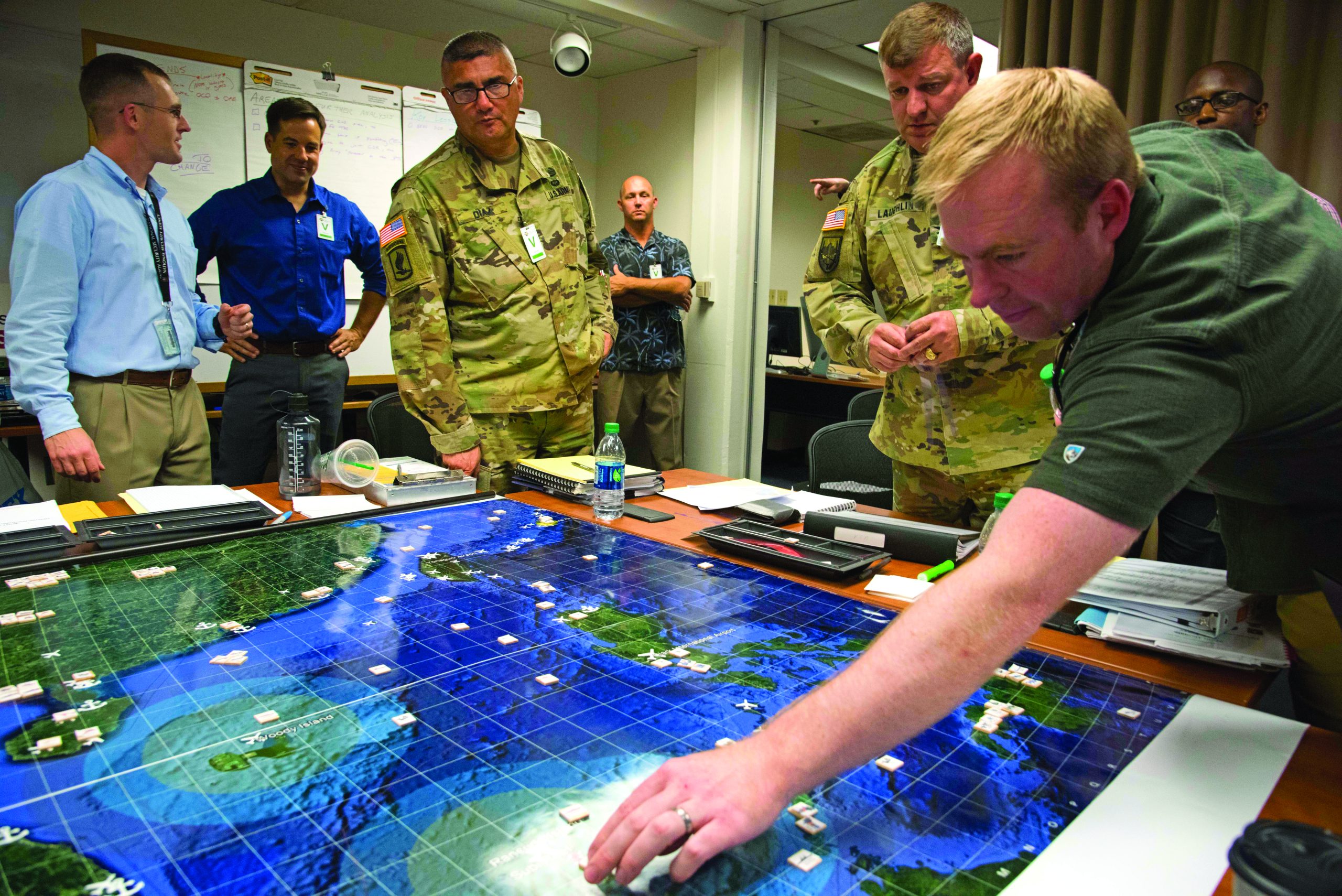
This shift has not only altered the character of warfare but has also compelled a fundamental rethinking of military knowledge itself, the tools of professional military education, and the process of developing officers capable of commanding forces in an environment where assumptions are unstable and rules of engagement are constantly evolving. Within this context, wargames—whose origins date back to the nineteenth century—have re-emerged not merely as a training technique, but as a conceptual framework for shaping military thinking. They have become an intellectual environment that enables the development of strategic and tactical reasoning, strengthens decision-making under pressure, and enhances the ability to understand and manage complex systems and operational paradoxes. With advances in simulation sciences, computing, and artificial intelligence, wargames have evolved into genuine cognitive laboratories, allowing military institutions to test hypotheses, anticipate future threats, and experiment with tactics and doctrines before applying them in real-world operations.
Objectives of the Study
This study seeks to provide a comprehensive analytical framework for understanding the role of wargames in the professional formation of military personnel within modern armed forces. It adopts a broad international perspective while drawing on the French experience as a representative case that illustrates the depth of institutional transformation taking place in this field. The study examines the educational value of wargames, their pedagogical characteristics, their application across different military branches, the structural challenges associated with their integration, and their future development. Ultimately, it aims to assess the contribution of wargames to the emergence of a new military culture aligned with the operational demands of the twenty-first century.
Structural Transformation in Military Education and the Rise of Wargames
Throughout much of the twentieth century, military institutions operated within a knowledge framework largely based on instruction, lectures, and the transmission of experience through a traditional “teacher–student” model. While effective for conventional armies, this approach is no longer sufficient to meet the demands of an era characterised by multi-domain operations, accelerated decision cycles, and fragmented certainties. As a result, many military education systems have been compelled to rethink their pedagogical foundations, shifting from the mere transfer of knowledge towards cultivating the capacity for critical and adaptive thinking.
In the age of multi-domain operations, the modern officer is expected to integrate cognitive abilities, technical skills, and practical experience. Such competencies cannot be acquired through passive learning alone; they require interactive experiences that allow learners to make mistakes, analyse their consequences, and reconstruct their understanding of operational situations. Wargames provide precisely this form of experiential learning.
The French experience offers a clear illustration of this transformation. Beginning in 2018, the Ministry of the Armed Forces reoriented military curricula to position wargames as a core educational tool within military academies, in parallel with similar initiatives undertaken by the United States, the United Kingdom, and Japan. Wargames are no longer viewed as a supplementary training activity, but as a central element in reshaping French military culture and embedding interactive thinking at the heart of officer development. The establishment of specialised wargaming units within doctrine and concept development centres has further institutionalised this approach, transforming wargames into a national programme that links initial education, continuous training, and doctrinal innovation. This French shift reflects a broader international trend that seeks not simply to add new tools to military education, but to redefine what it means to be an officer in contemporary armed forces.
Empirical experience has demonstrated that wargames enhance critical thinking, reinforce collective analysis, and foster initiative among officers and soldiers alike. As operational environments grow increasingly complex and interconnected, the adoption of wargames has become a strategic necessity rather than an educational luxury.
Pedagogical Foundations of Wargames and the Formation of Operational Thinking
Wargames are grounded in a sophisticated educational philosophy aimed at constructing what may be termed “instructional plausibility”: an environment that closely resembles reality without falling into the trap of excessive realism. Learning through wargaming requires a careful balance between representation and abstraction, between reality and theoretical modelling. While technical simulations seek to replicate reality in detail, wargames focus on training the mind to manage essential variables without becoming distracted by secondary details.
The cognitive value of wargames rests on two fundamental pillars: interaction and error. Officers learn by engaging with a conflict environment governed by clear rules yet shaped by unstable variables, and by testing their ability to make decisions under time pressure and incomplete information. More importantly, learning is deepened through error. In wargaming, mistakes are not failures but gateways to understanding. This is where the importance of the post-game evaluation session becomes evident, as it transforms gameplay from an engaging activity into a structured learning experience. During this phase, facilitators help participants uncover unconscious decision patterns and convert operational intuition into explicit, transferable knowledge.
The role of the facilitator is central to this process. Rather than directing the game from within or imposing decisions on participants, the facilitator ensures alignment with educational objectives, maintains an appropriate level of complexity, and structures spontaneous discussions into coherent analytical insights. This role requires both operational experience and strong analytical skills, enabling the effective management of what can be described as an “operational dialogue” within the game. Wargames do not merely generate knowledge; they cultivate a distinct mode of thinking. They train officers to operate amid uncertainty, to make decisions despite contradictory information, to adapt when plans collapse unexpectedly, and to identify weak signals in noisy and disrupted environments. These cognitive abilities form the essence of modern operational thinking and are difficult to acquire quickly or effectively through traditional educational methods. Ultimately, the educational and training value of wargames lies in their ability to create an interactive learning environment in which officers and soldiers confront complexity progressively and test their operational intuition within a risk-free framework. Gameplay itself is not the objective; rather, it is a means of embedding strategic thinking and refining decision-making skills. This underscores the importance of adaptable scenario design, effective management of human interaction, and the systematic transformation of intuitive experience into structured knowledge.
Applications of Wargames Across Military Branches
One of the defining strengths of wargames lies in their exceptional flexibility, which allows them to be adapted to the specific characteristics and operational requirements of each military branch. International experience demonstrates that every domain has found in wargames an effective tool for developing particular skill sets among its officers.
In land forces, wargames are widely used to enhance tactical and logistical thinking, as well as manoeuvre management. Ground combat is inherently complex and rapidly evolving, and its operational paradoxes can rarely be fully grasped through theoretical instruction alone. Interactive environments that allow officers to test tactical decisions are therefore essential. The French “LOGOPS” model represents a notable example in this regard, offering a logistical wargame that confronts officers with critical decisions related to resource allocation and supply shortages. Through such models, learners gain a deeper understanding of theoretical principles that are often difficult to internalise in a classroom setting. In the air and space domains, wargames have enabled the management of highly complex scenarios involving air superiority, mission planning, and multi-layered threats. The “Overlord Crisis” wargame illustrates this approach by placing participants in an environment where they must conduct multi-level air operations and command diverse units within a collective operational framework. In some French institutions, students are even involved in the design of the wargame itself, allowing them to understand not only the outcomes of airpower decisions but also the internal logic that shapes them.
Naval operations have similarly benefited from wargaming, particularly in representing the long-range and endurance-based nature of maritime warfare. Naval commanders are often required to make decisive choices under conditions of limited information and within geographically complex environments. Wargames inspired by scenarios from the Falklands War have proven effective in training officers to manage the “fog of naval war” and to understand the persistent tension between information isolation and the need for coordination in fleet operations. Military medical services constitute another domain that has derived significant value from wargames. The management of mass casualties, allocation of scarce resources, organisation of evacuation chains, and response to unexpected developments can all be simulated through medical wargames such as “JESSA”. These have demonstrated their effectiveness in training medical personnel to make sound decisions in high-stress environments.
Internal security forces have also benefited from wargaming applications, particularly in recreating scenarios of civil unrest, collective violence, and crisis management. This approach provides a safe environment for testing intervention strategies, assessing leadership readiness, and identifying operational shortcomings before they manifest in real-world situations.
Overall, the success of wargames across different branches is closely linked to their ability to reflect the specific characteristics of each domain. This is evident, for example, in their use within French air force training, where pedagogical innovation has transformed wargames into an integral part of a structured educational system. These programmes incorporate historical, political, and operational dimensions, enabling the accumulation of specialised expertise and supporting a multi-scenario approach that enhances learner autonomy and critical thinking.
The Strategic Dimension of Wargames in Doctrinal Development
The cognitive applications of wargames extend beyond individual training to encompass the development of military doctrine itself. Modern armed forces increasingly employ wargames as tools for future foresight, analysis of complex military systems, evaluation of emerging technologies, and identification of strengths and weaknesses within plans and institutions.
Over the past two decades, the United States and the United Kingdom have made extensive use of wargames to analyse potential confrontations with peer competitors and to assess scenarios in regions such as the Indo-Pacific and Eastern Europe. Conversely, several Asian and Middle Eastern states have relied on wargames to develop cyber defence strategies and to evaluate scenarios involving drone attacks or irregular threat networks.
The integration of artificial intelligence into wargames represents a major leap forward in this field. Contemporary wargames are no longer static models; they have evolved into dynamic environments that respond to player decisions, generate alternative courses of action, and simulate adversary behaviour through advanced algorithms. This development enables armed forces to test their plans against virtual opponents capable of formulating counter-strategies, thereby significantly enhancing anticipatory and risk-assessment capabilities.
In this context, wargames have become a central instrument in doctrinal development due to their ability to stimulate collective debate on strategic options, decision impacts, and the interaction of multiple operational dimensions. They are not merely training tools, but research instruments that allow military institutions to test hypotheses and compare alternative courses of action in environments that closely approximate reality. The realistic scenarios they offer contribute to the establishment of a shared analytical culture among officers, facilitating the development of concepts suited to joint operations and enabling a deeper understanding of emerging challenges in multi-domain environments.
Challenges of Integrating Wargames into Military Education
Despite their considerable added value, integrating wargames into military education is not without challenges. Many armed forces face shortages of specialised personnel, a lack of unified national frameworks for wargaming, and an overreliance on individual initiatives that lack long-term sustainability. Some institutions also encounter the problem of “negative learning, whereby poorly designed or contextually inappropriate wargames instil inaccurate operational habits or misconceptions.
Moreover, the ability of different military branches to adopt wargames varies according to prior experience, technological capacity, and mission profiles. This underscores the need for a coherent institutional structure that embeds wargames within the military education system, rather than treating them as supplementary tools. The French experience has shown that the existence of a central wargaming unit, combined with close cooperation between military schools and think tanks, can generate a new dynamic in professional military formation—provided that an organisational framework is established to support game development, supply technical and educational expertise, and standardise practices across branches.
The Future of Wargames in an Era of Technological Transformation and Artificial Intelligence
Wargaming is entering a new phase of development driven by emerging technologies. Virtual reality, augmented reality, three-dimensional simulation, and artificial intelligence will significantly enhance the ability of wargames to represent operational environments and to analyse officer performance in real time. Wargames are set to evolve from training tools into “intelligent instructors” capable of adapting to player proficiency, proposing additional scenarios, and identifying individual weaknesses.
These advancements will also enable the creation of personalised learning pathways for each officer based on performance data and leadership characteristics. Wargames will thus become part of an integrated system encompassing training, assessment, professional development, and operational requalification. This evolution reflects the broader shift towards the concept of the “smart army, which relies on data utilisation and continuous analysis to support decision-making and enhance readiness.
Ultimately, the future of wargames will depend on their ability to integrate deeply into the strategic architecture of armed forces, moving beyond their traditional role as training instruments to become pillars of operational analysis and decision-making. The field is expected to expand in line with the logic of multi-domain operations, requiring simulation models capable of representing complex interactions across land, sea, air, space, and cyberspace simultaneously. Achieving this will require sustained institutional support, advanced expertise in design and evaluation, and the development of shared platforms across military branches to ensure readiness for increasingly rapid and interconnected future challenges.
Conclusion
Wargames have become one of the most important pathways through which leading armed forces around the world cultivate strategic mindsets among their commanders, officers, and soldiers. What was once a form of simulation has evolved into a comprehensive educational philosophy, and what began as a training technique has become a tool for re-engineering military knowledge itself. In an increasingly complex world, reliance on theoretical instruction alone is no longer viable. The modern commander must be able to experiment, reassess, and reconstruct operational understanding through practice.
Global experience—including the French case—demonstrates that wargames are not simply educational aids, but strategic laboratories, arenas for cost-free error, and platforms for redefining military decision-making. Investment in this field is not a luxury, but a necessity for developing a new generation of officers and soldiers equipped with cognitive flexibility, complex thinking skills, and readiness for the conflicts of the twenty-first century—achieved at lower cost and through one of the fastest and most effective available means.
By: Professor Wael Saleh
(Expert at TRENDS Research and Advisory)