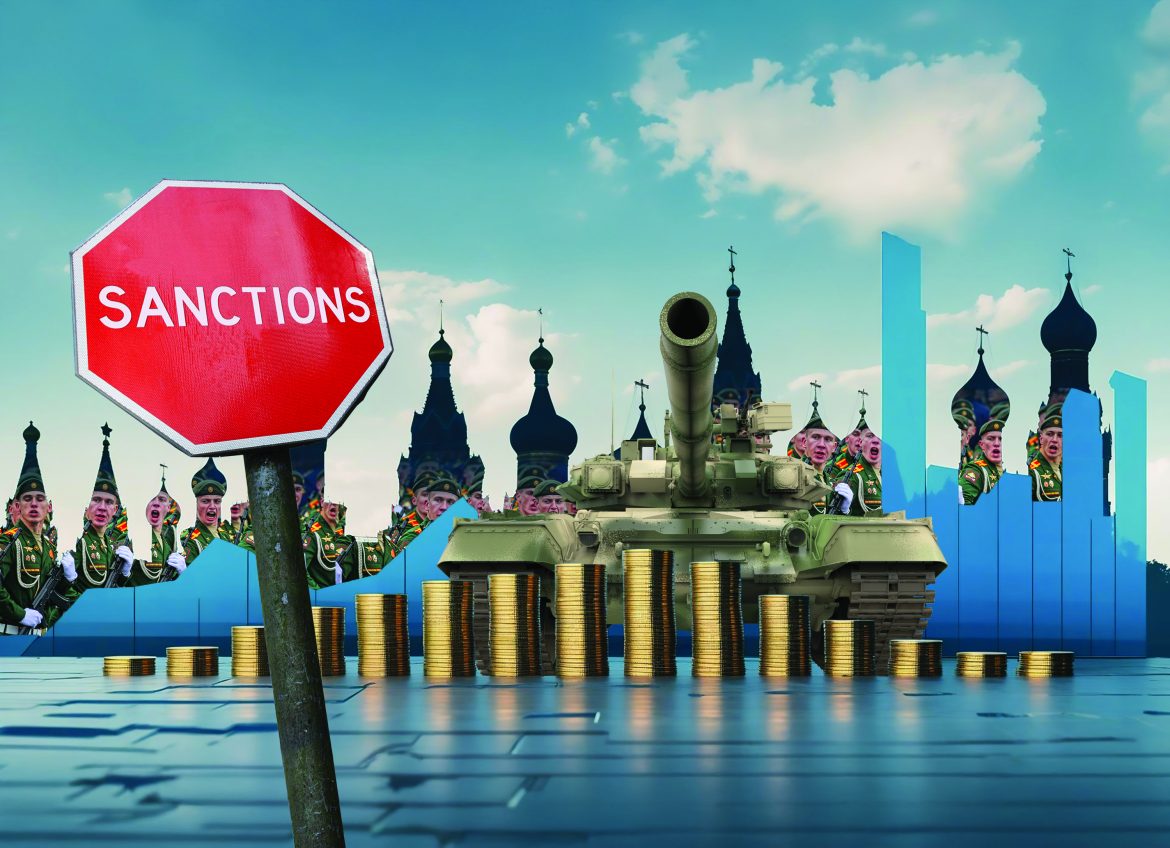


Over the past few decades, economic sanctions have emerged as one of the most widely used instruments by policymakers for managing international conflicts and responding to major geopolitical challenges. These sanctions encompass a broad set of coercive tools designed to weaken an adversary’s capabilities. Among global powers, the United States stands as the most frequent user of sanctions. Yet Russia’s ability to circumvent the unprecedented measures imposed by Washington and its Western allies since the outbreak of the Russia–Ukraine war has raised pressing questions about the true effectiveness of sanctions and their future role in modern conflict.
Sanctions as a Tool for Managing Conflict and Coercive Statecraft
Economic sanctions are commonly defined as the “suspension of normal trade and financial relations for foreign policy and security purposes.” These measures may be comprehensive-such as the U.S. trade embargo on Cuba-or targeted, often referred to as “smart sanctions,” which restrict dealings with specific entities, individuals, or groups. Sanctions can take numerous forms, including travel bans, asset freezes, arms embargoes, capital restraints, reduced foreign aid, and other restrictive trade measures.
Sanctions typically aim to achieve several core objectives: coercing states to alter their behaviour, punishing objectionable actions, containing threats to international security, combating terrorism and narcotics trafficking, preventing nuclear proliferation, and facilitating conflict resolution or cyber defence. Although sanctions represent a form of intervention, they are often viewed as a lower-cost, lower-risk alternative positioned between diplomacy and direct military action. In this sense, they become a decisive tool when military force is not viable or desirable.
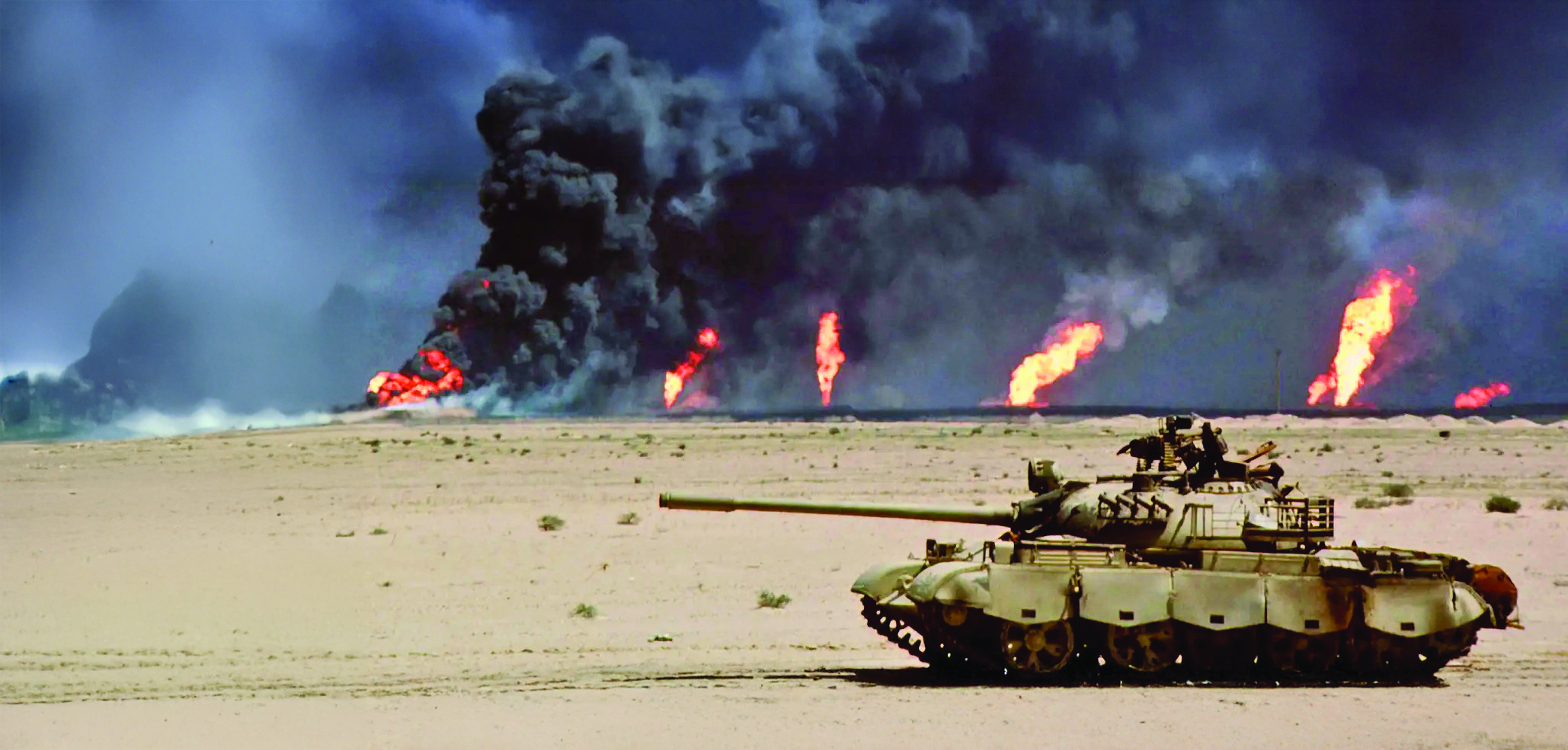
Sanctions may also be imposed as a precursor to harsher punitive steps. For example, when Iraq invaded Kuwait in August 1990, the UN Security Council imposed sweeping sanctions only four days after the invasion, whereas the resolution authorising military force came nearly a month later.
The Role of the UN Security Council
As the body responsible for maintaining international peace and security, the UN Security Council holds the authority to impose sanctions on states or non-state actors. Such decisions require the approval of at least nine of the Council’s fifteen members, without any veto from the five permanent members. Asset freezes, travel bans, and arms embargoes constitute the bulk of Security Council-mandated sanctions. Before 1990, the Council had imposed sanctions only twice-on Southern Rhodesia (now Zimbabwe) and apartheid South Africa. However, since the end of the Cold War, it has enacted sanctions more than thirty times, many of them targeting actors involved in internal conflicts such as those in Somalia and Liberia.
The United States: The World’s Most Active Sanctions Power
No country relies on economic sanctions as extensively as the United States. American sanctions policy can originate from either the executive branch or Congress. Typically, the President issues an executive order declaring a national emergency in response to a foreign threat, granting the authority to impose economic restrictions.
The Office of Foreign Assets Control (OFAC) at the U.S. Department of the Treasury manages more than 33 sanctions programs. Other agencies also play critical roles:
• The State Department can designate groups as terrorist organisations or label states as sponsors of terrorism, triggering additional sanctions.
• The Departments of Justice and Commerce also participate in implementation and enforcement.
• Congress may introduce new sanctions or modify existing ones through legislation.
As of 2024, the U.S. maintains comprehensive sanctions against Cuba, Iran, North Korea, and Russia, in addition to twelve other programs targeting specific individuals and entities. Washington’s coordinated effort in 2022 to freeze more than USD 330 billion in Russian central bank assets marked an unprecedented escalation in the use of financial sanctions.
The European Union’s “Economic Measures”
The European Union also wields sanctions-referred to as “restrictive measures”-as a central component of its Common Foreign and Security Policy. Given the EU’s lack of a unified military force, sanctions serve as a primary tool for projecting influence and addressing security challenges. All EU member states must unanimously approve the adoption of sanctions.
Since its inception, the EU has imposed sanctions more than thirty times, separate from those enacted under UN authority. This makes the EU the second most active sanctions-issuing body after the United States.
The Evolution of Sanctions
The use of economic sanctions as a tool of warfare dates back to the 19th century, most notably with Napoleon Bonaparte’s Continental Blockade against Britain. However, sanctions truly began to take shape as a systematic means of managing conflict during the First World War, when Britain and France sought to isolate Germany and its allies from the global economy and restrict their access to essential materials and food supplies. Germany, in turn, attempted to counter these measures through unrestricted submarine warfare targeting transatlantic shipping.
Thus, World War I marked a fundamental shift from the long-held principle that war should remain separate from trade and economic exchange.
This shift was codified in Article 16 of the Covenant of the League of Nations, which called for collective sanctions against any member state engaging in aggression. Despite criticism that the League lacked the military means to enforce collective security, its founders believed they had provided the organisation with a new and decisive instrument-economic coercion. U.S. President Woodrow Wilson famously described sanctions in 1919 as a weapon “more formidable than war.”
Following World War I, a widespread belief emerged that economic sanctions had become a decisive tool in warfare-capable of destabilising adversaries without incurring the heavy costs of military confrontation. British diplomat Harold Nicolson acknowledged the severe humanitarian consequences of the blockade imposed on Hungary during the short-lived Béla Kun regime, but nonetheless argued that sanctions were essential for achieving national interests without resorting to armed force. An instrument previously regarded as unacceptable had now become central to the conduct of war.
Between the two World Wars, sanctions grew increasingly intertwined with the concept of “total war.” Allied leaders envisioned the League of Nations as a mechanism capable of preventing future conflicts through a form of coercion equivalent to warfare but less costly-modernised economic blockades that could effectively sever any state from the global economy, producing war-like consequences through non-military means.
Historical experiences show that the effectiveness of sanctions varied significantly. Smaller states, such as Yugoslavia in 1921 and later Greece and Bulgaria in 1925, backed down when faced with the threat of a League-imposed economic blockade. By contrast, major powers-Germany, Italy, and Japan-proved far less susceptible. These states opted for aggressive territorial expansion during the lead-up to World War II as a means of securing strategic resources that sanctions threatened to cut off, including oil, iron, and grain.
Sanctions also tended to be more effective against economies reliant on primary commodity exports than against industrialised powers-though even here, exceptions existed, such as Cuba’s agricultural sector, which remained resilient despite decades of embargo.
The Nature of Sanctions in Contemporary Conflict
In the 21st century, the scope and purpose of economic sanctions expanded considerably. States and international organisations increasingly employed sanctions not only to prevent military escalation but also to promote democracy, human rights, environmental protection, and other policy objectives. Economic coercion has become a routine instrument deployed to influence the behaviour of targeted states.
A 2015 UN report estimated that one-third of the world’s population lived in countries subject to some form of economic sanctions. This trend reflects the transformation of sanctions from blunt instruments of total war into more flexible, often mild, forms of pressure. Major powers now view limited sanctions-such as asset freezes or restrictions on specific imports-as a relatively low-risk means of signalling escalation. This shift partly explains the rapid proliferation of sanctions in recent years, many of which fall into the category of low-intensity measures with limited political impact.
The acceleration has been dramatic. Since 2022, Western governments have imposed more than 23,000 new sanctions on Russia, following its invasion of Ukraine-compared to just 2,695 sanctions prior to the conflict-making Russia the most heavily sanctioned state in modern history.
In today’s interconnected international system-defined by complex global supply chains and deeply embedded financial networks-economic sanctions carry far-reaching consequences. Unlike earlier eras, modern sanctions span a wide spectrum of sectors, including energy, raw materials, banking, technology, shipping, and even digital platforms. They have become one of the defining instruments of 21st-century geopolitics.
Contemporary sanctions rely on a diverse array of mechanisms, the most prominent of which include:
1. Financial Sanctions: These involve asset freezes, restrictions on banking transactions, limiting access to the U.S. dollar, and exclusion from global payment systems such as SWIFT. An example is the EU’s ban on Russia’s VTB Bank.
2. Trade Sanctions: These limit the export of advanced technologies-including semiconductors, AI chips, and quantum computing equipment-or restrict the import of strategic materials. China’s restrictions on exporting certain rare-earth minerals to the U.S. illustrate this approach.
3. Sectoral Sanctions: These target entire industries within a country, particularly sectors such as energy, defence, and high-technology manufacturing.
4. Secondary Sanctions: These penalise third parties-including allies-who engage with sanctioned states or entities. The U.S. frequently uses such measures against non-American companies doing business with sanctioned Iranian institutions.
5. Individual Sanctions: These target political and military leaders and their families through travel bans and asset freezes.
Historically, sanctions during the interwar period were seen as a form of warfare, sometimes believed to be even more potent than direct military action. After World War II, they were viewed primarily as a substitute for military force. Yet, in the post–Cold War era, sanctions have increasingly been regarded as a decisive instrument of total war, a perception that has become even more entrenched over the past decade as major powers expand their reliance on economic coercion.
Effectiveness of Economic Sanctions in Modern Warfare
The literature varies widely regarding the effectiveness of economic sanctions as an important tool in modern warfare. While some scholars argue that sanctions with relatively limited objectives are generally more likely to succeed compared to those that involve broad, long-term political ambitions, these measures can nonetheless jeopardise the financial leverage of sanctioning states-particularly the United States-if such tools are overused. Studies also indicate significant variations in the dynamics of each sanctions case, as sanctions that may prove effective in one context can fail in another due to the influence of multiple determinants.
The Russia–Ukraine war has reignited debate over the effectiveness of economic sanctions as a tool for managing modern conflicts. Despite the sweeping Western sanctions imposed on Moscow since the start of the war, they have neither ended the crisis nor altered Russia’s position. On the contrary, Moscow has managed to circumvent or adapt to many of these restrictions, especially in the energy sector. The Russian economy also recorded growth of 3.6% in 2023-surpassing that of both the United States and the European Union. Additionally, Moscow has increased its military spending to nearly three times pre-war levels. Although international reports warn of potential long-term economic challenges for Russia, the reality so far demonstrates its continued ability to bypass and adapt to the stringent Western sanctions.
Although the severe Western sanctions imposed on Russia since the start of the war significantly affected its economy in 2022, Moscow adopted a comprehensive strategy to stabilise economic performance. This was reflected in the country’s notable capacity to adjust to sanctions by redirecting energy exports eastward-particularly to China and India-and expanding its reliance on a “shadow fleet” to transport oil and evade Western restrictions. Russia has also developed alternative payment systems to SWIFT, including the renewed use of barter agreements and conducting bilateral trade in local currencies rather than the U.S. dollar. Moreover, Russia intensified efforts to replace Western technologies and goods with domestic alternatives or imports from allied states. Although this has at times affected product quality, performance has gradually improved.
While some international reports suggest that the current restrictions will have more pronounced negative effects on Russia’s economy in the coming years, these unprecedented sanctions have not led to a collapse of the Russian economy. Instead, they have had extensive repercussions on the global economy, particularly through higher inflation driven by surging energy prices and disruptions affecting several industrial sectors in Europe, including Germany.
The sanctions have also strengthened Russia’s alignments with other powers-notably China and North Korea. Some Western analyses indicate that major international actors, especially China, have studied the Russian case in order to adopt preemptive measures to reduce the impact of potential U.S. or European sanctions against them in the future.
The stringent Western sanctions on Russia-aimed at isolating it from the global financial system by cutting off major Russian banks from SWIFT and freezing the Central Bank of Russia’s assets-evoke earlier precedents such as the League of Nations’ sanctions on Italy following its intervention in Ethiopia. Those measures failed to change Rome’s behaviour and instead prompted Italy to implement economic policies designed to minimise the impact of future sanctions, while accelerating its military expansion. Likewise, Germany’s national plan in the 1930s sought to enhance resilience against economic blockades and reduce reliance on imported raw materials. These parallels raise questions as to whether today’s sweeping sanctions on Moscow might push Russia toward further escalation-especially given its public announcement of a nuclear alert, which implicitly signals the possibility of nuclear escalation, even if the probability remains low.
Furthermore, the ongoing debate on the effectiveness of sanctions also raises questions about their unintended consequences and the possibility of counterproductive outcomes, as their repercussions may be unpredictable. For instance, when the United States imposed sanctions on the Russian aluminium giant Rusal-owned by Oleg Deripaska-it did not anticipate the severe economic disruptions that would afflict its European allies as a result of that decision.
Western reports indicate that while one-third of all sanctions imposed in the 20th century were at least partially successful, the success rate has fallen to only 20% in the current century, despite a dramatic increase in the use of economic sanctions over the past two decades. Prior experiences also show that the threat of sanctions is often more effective as a deterrent than their actual implementation once conflict has begun.
The Future of Economic Sanctions
Nicholas Mulder, in his book The Economic Weapon: The Rise of Sanctions as a Tool of Modern War, argues that historical experiences with economic sanctions suggest they may be more successful in undermining the financial capabilities of adversaries; however, they also tend to entrench hostility between states rather than resolve disputes. Thus, the effective use of sanctions requires a credible commitment to lifting them once the stated demands are met.
Some of the literature highlights several key criteria for evaluating the effectiveness of sanctions. The most important of these include the extent to which sanctions impose high costs on the targeted state, as well as how “smart” the sanctions are-meaning the degree to which they are designed to affect the relevant actors within the targeted country. Another critical criterion relates to whether sanctions reduce the likelihood of future military confrontation between the sanctioning state and the targeted state.
Over the past decade, the scope and complexity of economic sanctions have expanded considerably, influenced by the emerging global order, which is increasingly shifting toward fragmented multipolarity. In this context, several determinants are likely to shape the future role of economic sanctions as a tool of modern and future warfare, including the following:
1. International Competition within Flexible Multipolarity: The current international system is steadily evolving toward a flexible multipolar order. In this increasingly competitive environment, major global powers are relying more heavily on their economic instruments to advance their strategic interests, leading to the emergence of competing and reciprocal sanctions regimes.
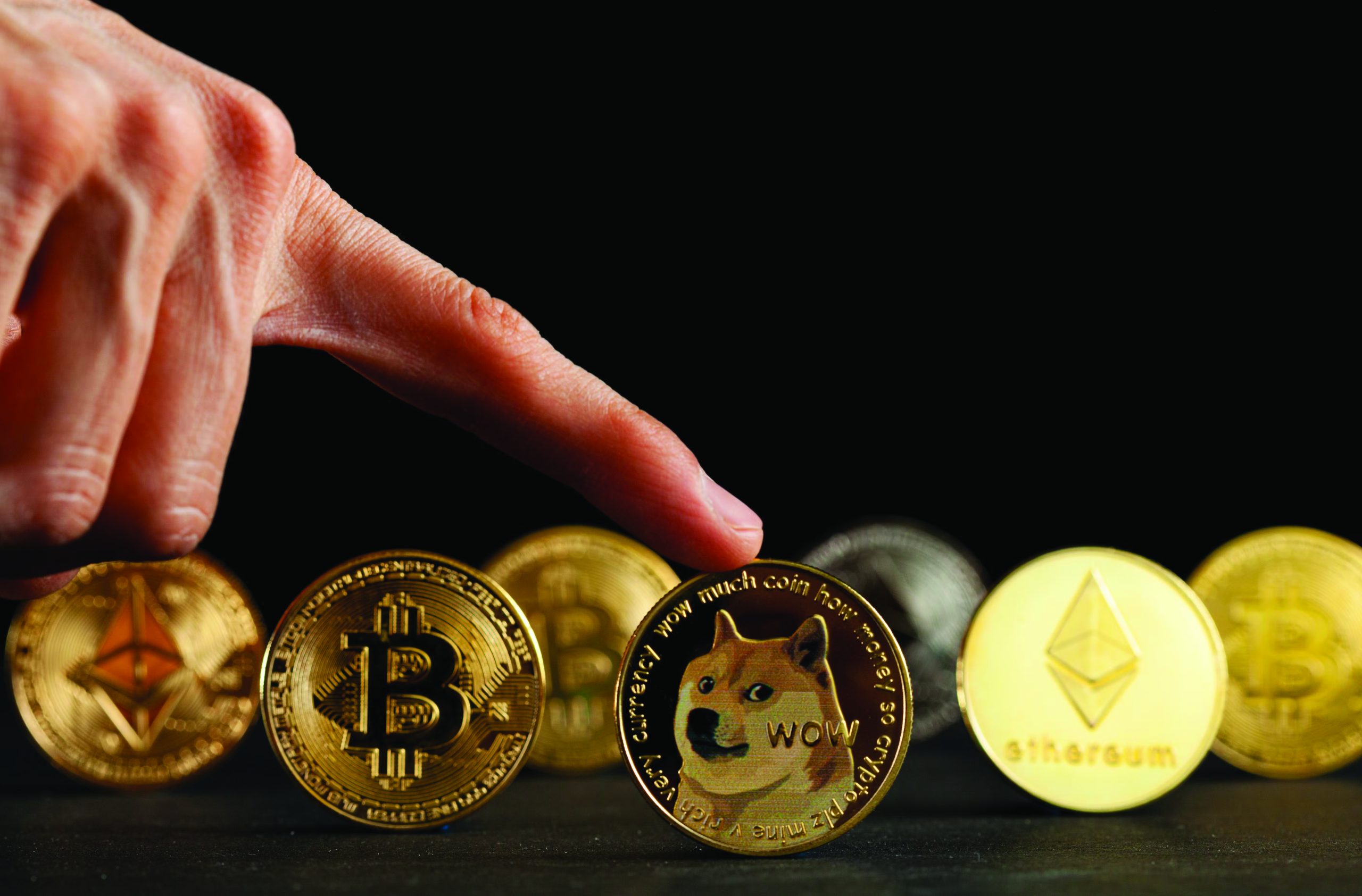
2. The Expansion of E-Commerce: The rise of cross-border digital trade, decentralised finance, and the widespread use of cryptocurrencies is expected to affect the effectiveness and enforceability of economic sanctions. Entities targeted by sanctions can increasingly circumvent restrictions by relying on cryptocurrencies in commercial transactions, thereby reducing dependence on the traditional banking system.
3. Proliferation of Secondary Sanctions: International reports indicate that the steady expansion of reciprocal sanctions among states is likely to draw neutral countries into geopolitical disputes, forcing them to choose sides. For example, Indian refineries that process Russian oil and Chinese banks that facilitate Iranian trade face such dilemmas.
4. Strategic Exceptions: Current sanctions regimes show that sanctioning states are increasingly adopting exceptions to serve their own strategic interests. For instance, despite U.S. sanctions on Venezuela, Washington allowed certain oil transactions with Caracas to maintain market stability. Similarly, the European Union exempted certain Russian gas pipelines from its sanctions to safeguard energy security.
From this perspective, the future of economic sanctions as an instrument of warfare appears to be shifting from coercion to constraint as the primary measure of effectiveness. For example, Western sanctions on Iran succeeded in restricting Tehran’s ability to finance and support its regional proxies. Likewise, Western sanctions on Russia have affected Russian industrial capacity and constrained its military and financial capabilities-even if they failed to coerce Moscow into changing its policies. This suggests that sanctions can be effective as a core tool of economic warfare, though they may fall short as diplomatic instruments.
In conclusion, Western assessments indicate that the model of comprehensive sanctions-dominated by the United States and the European Union-is gradually eroding amid the transformations shaping the emerging global order. Nevertheless, economic sanctions remain a central tool of modern total warfare, particularly since the primary purpose of sanctions has never been their actual implementation, but rather their value as a form of deterrence.
By: Adnan Moussa (Assistant Lecturer, Faculty of Economics and Political Science – Cairo University)